Gardeners across Britain have long reached for the garden fork as a quick solution for compacted lawns, believing they’re improving their grass’s health. This traditional method, passed down through generations, appears to offer an easy way to aerate soil and improve drainage. However, modern lawn care science reveals that forking often causes more harm than good, creating problems that undermine lawn health rather than enhancing it.
The issue lies in the fundamental design of garden forks and their interaction with lawn ecosystems. While the intention behind forking is understandable, the implementation typically damages grass plants, disrupts soil structure, and creates conditions favourable to weeds and disease. Many gardeners notice their lawns looking worse after forking, but assume they need to repeat the process rather than recognising it as the source of their problems.
The Quick Answer
Forking a lawn is bad because it damages grass crowns and roots, creates uneven soil compaction, encourages weed invasion, and provides inferior aeration compared to modern methods. The large tines of garden forks tear through rhizomes and stolons, leaving holes that become weed entry points, and compact soil sideways around insertion points, ultimately weakening the lawn’s structure and health.

The Problem with Traditional Forking Methods
Physical Damage to Grass Plants
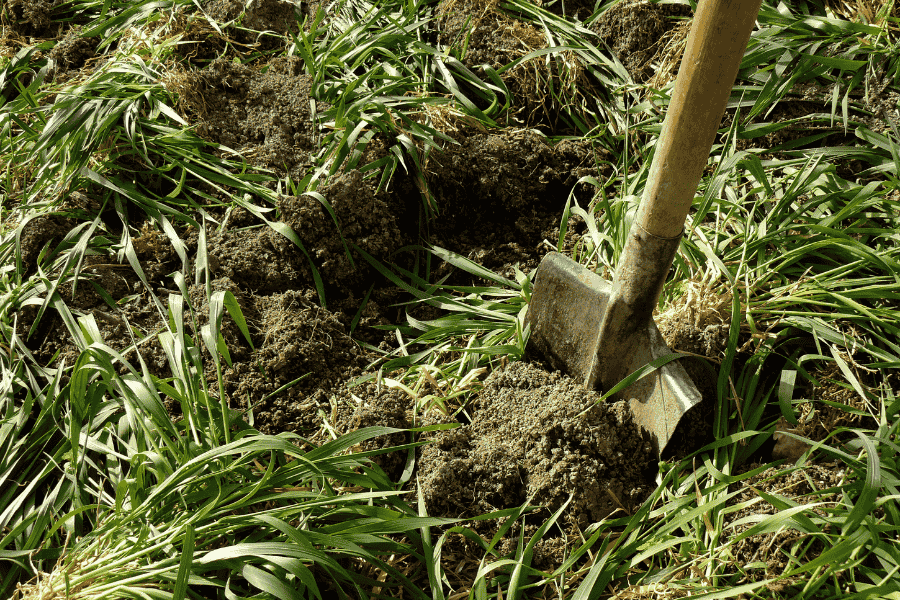
Garden forks have large, broad tines that inevitably slice through the network of roots and stems that form a healthy lawn. Each insertion severs vital roots and damages the crown region where new growth emerges. This damage stresses grass plants, forcing them to expend energy on repair rather than growth. The random pattern of fork holes creates an inconsistent surface that leads to uneven growth and potential tripping hazards.
British lawns typically consist of fine grasses like fescues and bent grasses that spread through delicate rhizomes and stolons. These horizontal stems are easily damaged by fork tines, disrupting the lawn’s natural spreading mechanism. Once damaged, recovery takes weeks during which weeds can establish in the disturbed areas.
Soil Compaction Issues
Contrary to popular belief, forking can actually increase soil compaction in certain areas. When you insert a fork and lever it backwards, you compress soil sideways around the insertion point. This creates zones of increased density that can hinder root growth and water movement. The process also brings compacted subsoil to the surface, potentially creating growing medium issues.
In Britain’s often clay-rich soils, forking can create glazing on the sides of holes. This occurs when the fork’s metal surface smears the clay particles, forming a waterproof barrier that actually reduces water infiltration rather than improving it. This effect is particularly problematic in heavy soils common across many parts of the UK.
Weed and Moss Invasion
Every fork hole represents a potential entry point for weed seeds and moss spores. The disturbed soil around each insertion provides perfect germination conditions for invaders like annual meadow grass, daisies, and moss. Unlike purpose-made aeration tools that create clean holes, forks tear irregular openings that take longer to heal, extending the window for weed establishment.
The damage to grass plants reduces their competitive ability, giving weeds an additional advantage. Weeds are generally better adapted to colonise disturbed ground than lawn grasses, making forking counterproductive for those seeking a weed-free lawn.

Superior Alternatives to Forking
Hollow-Tine Aeration
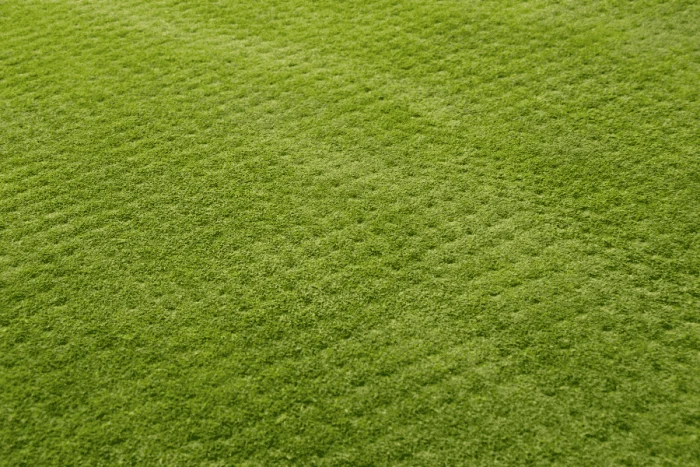
This professional method removes actual plugs of soil from the lawn, creating space for air, water, and nutrients to penetrate without damaging grass plants. The hollow tines extract small cores of soil (typically 1-2cm diameter and 8-10cm deep) that can be left on the surface to break down naturally. This process genuinely reduces compaction without the sideways soil compression caused by forking.
Hollow-tine aerators create clean holes that heal quickly and don’t provide the same weed opportunities as torn fork holes. The soil removal creates lasting space for root expansion and improves drainage more effectively than forking. For British lawns, autumn hollow-tine aeration provides the best results, allowing recovery before winter dormancy.
Solid-Tine Aeration
For more frequent aeration without soil removal, solid-tine machines create smaller holes without damaging turf. These are ideal for regular maintenance, particularly on sports fields or high-use lawns. The holes are smaller and cleaner than fork holes, causing minimal disruption while still improving air and water movement.
Solid tining can be performed more frequently than hollow-tine aeration, making it suitable for situations where regular maintenance is preferred over occasional intensive treatment. The process doesn’t create soil debris on the surface, making it neater for ornamental lawns.
Liquid Aeration Solutions
Modern soil surfactants and wetting agents provide chemical aeration without physical disruption. These products break the surface tension of water, helping it penetrate compacted soils more effectively. While not replacing physical aeration entirely, they offer excellent maintenance between physical treatments.
Liquid aeration is particularly valuable for British gardens with heavy clay soils that are prone to surface waterlogging. Regular application can help maintain soil structure without the damage caused by mechanical methods, such as forking.
The Right Way to Improve Soil Structure
Topdressing Application
After proper aeration, applying a topdressing mixture helps maintain the benefits. A blend of sharp sand, loam, and organic matter, when brushed into aeration holes, gradually improves soil structure over time. This approach builds better growing conditions without the sudden disruption of forking.
Topdressing should match your existing soil composition. For heavy clay soils, use a sand-rich mixture; for sandy soils, increase the organic matter content. This tailored approach addresses specific soil issues more effectively than the one-size-fits-all forking method.
Organic Matter Incorporation
Rather than forking, incorporate organic matter through surface application. Regular applications of compost or well-rotted manure, combined with proper aeration, gradually improve soil structure without damage. Earthworms will naturally incorporate this material into the soil profile, creating better growing conditions over time.
This method works with natural processes rather than against them, building soil health without damaging grass plants. The result is a more resilient lawn that better withstands the variable British climate.
Proper Cultural Practices
Often, compaction issues can be reduced through improved maintenance practices. Avoiding mowing when the ground is wet, varying mowing patterns, and addressing drainage issues can reduce compaction without resorting to damaging methods like forking. Ensuring proper mower height and sharp blades also reduces stress on grass plants, helping them develop better root systems that naturally resist compaction.
When Forking Might Be Acceptable
Severely Compacted Areas
In extreme cases where other methods aren’t feasible, careful forking might be considered as a last resort. However, this should involve minimal levering action and be followed by immediate remediation with topdressing and overseeding. The process should be viewed as damage control rather than routine maintenance.
Budget Constraints
For gardeners unable to access proper aeration equipment, forking might seem like the only option. However, many local hire shops offer affordable aeration equipment rental, making proper methods accessible without significant investment. Community tool-sharing schemes also provide access to appropriate equipment.
Long-Term Lawn Health Strategy
Building a healthy lawn requires consistent, appropriate care rather than dramatic interventions. Regular proper aeration, appropriate feeding, and correct mowing practices create conditions where grass thrives naturally. This approach reduces problems rather than creating them through well-intentioned but damaging practices like forking.
Investing in the right tools and techniques saves time and effort in the long run while producing significantly better results. The initial cost of proper aeration equipment is quickly offset by reduced need for repairs and renovations caused by damaging methods.
Conclusion
Forking represents an outdated approach to lawn care that modern understanding and equipment have rendered obsolete. The damage caused to grass plants and soil structure outweighs any potential benefits, particularly when superior alternatives are readily available. British gardeners seeking beautiful, healthy lawns should embrace modern aeration methods that work with grass biology rather than against it.
By understanding why forking is bad and adopting better practices, gardeners can create lawns that are not only more attractive but also more resilient and sustainable. The result is less work for better results, something every British gardener can appreciate.