Every British gardener has experienced both the satisfaction of lush, green grass beneath their feet and the frustration of patchy, struggling turf. The difference between these two outcomes lies in understanding the fundamental factors that influence grass growth. While many focus solely on regular mowing and occasional feeding, truly exceptional lawns result from mastering the complex interplay of light, nutrients, water, and soil conditions unique to Britain’s climate.
The United Kingdom’s variable weather patterns, from the dampness of Wales to the drier conditions of East Anglia, create distinct challenges for grass cultivation. What works for a garden in Scotland may prove less effective in Cornwall, making localised understanding very important. The common misconception that grass simply needs cutting and watering overlooks the sophisticated biological processes occurring beneath the surface.
Grass growth represents one of nature’s most efficient energy conversion systems, where sunlight transforms into verdant blades through processes perfected over millennia. However, modern lawn management often disrupts these natural systems through well-intentioned but misguided practices. Understanding what truly makes grass grow enables gardeners to work with nature rather than against it.
The Quick Answer
Grass grows through photosynthesis, converting sunlight into energy, supported by essential nutrients (nitrogen, phosphorus, potassium), adequate water, appropriate soil conditions, and suitable temperatures. In British lawns, nitrogen availability typically limits growth most significantly, while soil compaction and pH imbalances commonly undermine nutrient uptake despite adequate feeding.

The Photosynthesis Process: Nature’s Energy Factory
Light Conversion Mechanisms
Grass blades contain chlorophyll that captures sunlight energy, converting carbon dioxide and water into glucose through photosynthesis. This process requires adequate light intensity and duration, making sunlight exposure the primary growth determinant. British lawns typically need at least 4-6 hours of direct sunlight daily for satisfactory growth, with shade-tolerant varieties managing with slightly less.
The efficiency of this process varies by grass species and environmental conditions. Cool-season grasses common in UK lawns photosynthesise most effectively at temperatures between 15-24°C, explaining their growth patterns across Britain’s seasonal changes. During winter months, reduced light intensity and lower temperatures slow photosynthesis dramatically, causing grass growth to virtually cease.
Energy Distribution Patterns
The glucose produced through photosynthesis fuels both above-ground growth and root development. During optimal conditions, grasses allocate approximately 60% of energy to root growth and 40% to leaf production, creating a sustainable growth balance. Stress factors like drought or poor nutrition disrupt this allocation, often reducing root development first.
This energy distribution explains why consistently close-mown grass develops shallow root systems. The plant must divert energy from root growth to replace lost leaf surface, creating a vicious cycle of increased vulnerability to stress and reduced nutrient uptake capacity.

Essential Nutrient Requirements
Macronutrient Functions
Nitrogen represents the most crucial nutrient for grass growth, driving chlorophyll production and leaf development. British lawns typically require 2-5 grams of nitrogen per square meter annually, split between spring and autumn applications. Deficiency causes pale colour and reduced growth, while excess leads to soft, disease-prone growth.
Phosphorus supports root development and energy transfer, particularly important during establishment and recovery periods. Potassium enhances stress resistance, improving drought tolerance and winter hardiness, especially valuable in Britain’s variable climate. Secondary nutrients like calcium and magnesium play supporting roles in cell development and chlorophyll production.
Micronutrient Contributions
Although required in smaller quantities, micronutrients like iron, manganese, and zinc prove essential for various metabolic processes. Iron particularly influences grass colouration, often explaining why some lawns appear greener despite adequate nitrogen levels. British soils frequently show micronutrient deficiencies, particularly in alkaline conditions common in chalky regions.
Nutrient Uptake Mechanisms
Grasses absorb nutrients primarily through root systems, requiring soil moisture to facilitate uptake. The efficiency of this process depends on soil pH, with most nutrients becoming most available in slightly acidic conditions (pH 6.0-6.5). This explains why lawns in alkaline areas often show nutrient deficiency symptoms despite adequate fertiliser application.

Soil Conditions: The Growth Foundation
Physical Structure Requirements
Healthy grass growth requires soil with adequate pore space for air and water movement. Ideal lawn soil contains approximately 50% solid material (minerals and organic matter), 25% water, and 25% air. Compaction from foot traffic or heavy equipment reduces pore space, limiting root development and nutrient uptake.
British clay soils present particular challenges due to their tendency to compact and drain poorly. Regular aeration proves essential for maintaining grass growth on these soils, while sandy soils require organic matter additions to improve water and nutrient retention.
Biological Activity Importance
Soil microorganisms, including bacteria, fungi, and earthworms, play crucial roles in nutrient cycling and soil structure maintenance. Earthworms particularly benefit lawns by creating drainage channels, breaking down thatch, and releasing nutrients through their castings. Healthy lawns typically support 150-300 earthworms per square meter, indicating good biological activity.
pH Balance Considerations
Soil acidity significantly influences nutrient availability and microbial activity. Most lawn grasses prefer slightly acidic conditions (pH 6.0-6.5), though fine fescues tolerate more acidic conditions, while ryegrasses prefer neutral pH. Regular lime applications may prove necessary in high-rainfall areas where leaching increases acidity.
Water Management Strategies
Hydration Requirements
Grass consists of approximately 85% water, requiring consistent moisture for growth and metabolic processes. Most British lawns need 2-3cm of water weekly during growing seasons, including rainfall. Deep, infrequent watering encourages deeper root development, while light, frequent watering promotes shallow roots vulnerable to drought.
Drainage Considerations
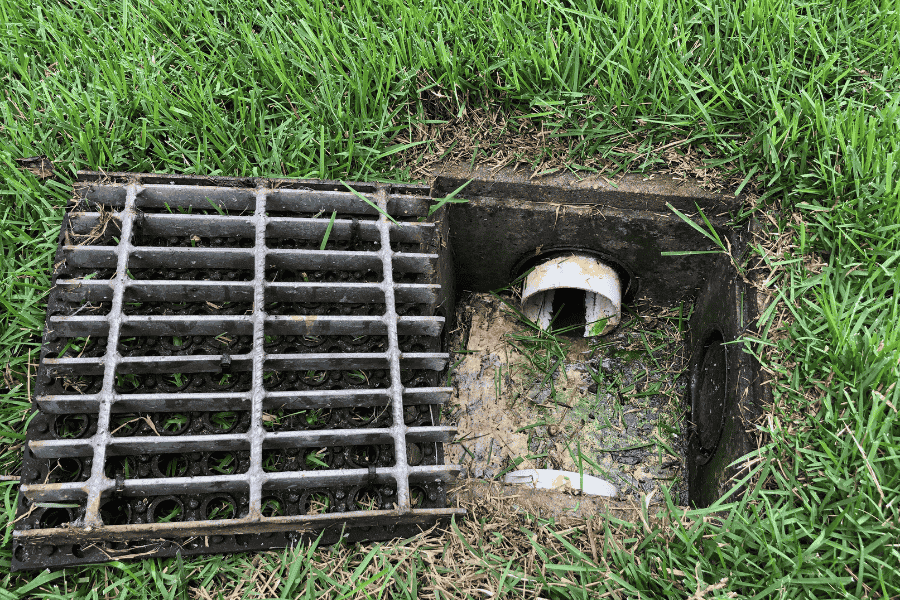
While adequate moisture proves essential, waterlogged conditions damage grass by reducing oxygen availability to roots and encouraging disease. Improving drainage through aeration, soil amendment, or installation of drainage systems may prove necessary in poorly-draining areas, particularly with Britain’s increasing winter rainfall patterns.
Temperature and Seasonal Influences
Growth Temperature Ranges
Cool-season grasses common in UK lawns grow most actively between 10-20°C, with growth slowing above 24°C and below 5°C. Soil temperature particularly influences root development, with optimal root growth occurring between 10-18°C. These temperature responses explain the spring and autumn growth flushes characteristic of British lawns.
Seasonal Adaptation
Grasses undergo physiological changes preparing for seasonal challenges. Autumn growth focuses on carbohydrate storage and root development, providing resources for winter survival and spring green-up. Understanding these natural cycles helps with timing maintenance practices for optimal results.
Cultural Practices Supporting Growth
Mowing Techniques
Proper mowing practices influence grass growth significantly. Removing no more than one-third of leaf height at each mowing maintains adequate photosynthetic capacity while encouraging dense growth. Sharp mower blades provide clean cuts that heal quickly, reducing water loss and disease entry points.
Aeration Benefits
Regular aeration alleviates compaction, improving oxygen availability to roots and enhancing water and nutrient movement. For most British lawns, annual aeration provides significant growth benefits, particularly on heavier soils or high-traffic areas.
Thatch Management
Excessive thatch accumulation (over 1cm) restricts water and nutrient movement to roots while harbouring pests and diseases. Regular raking or mechanical dethatching maintains optimal conditions for growth, particularly for vigorously growing varieties like perennial ryegrass.
Advanced Growth Enhancement Methods
Plant Growth Regulators
Professional turf managers sometimes use plant growth regulators to reduce mowing requirements while maintaining turf health. These products slow vertical growth while promoting root development and density, potentially benefiting some garden lawns where frequent mowing proves impractical.
Soil Testing and Targeted Nutrition
Regular soil testing enables precise fertiliser application based on actual nutrient needs rather than guesswork. Most British lawns benefit from soil testing every 2-3 years, with problematic areas tested more frequently. This approach prevents nutrient imbalances while reducing environmental impact.
Overseeding for Density
Introducing new grass varieties through overseeding improves lawn density and fills bare patches. Modern grass varieties often offer improved disease resistance, drought tolerance, and growth characteristics compared to older varieties, making renovation beneficial even for established lawns.

Conclusion
Grass growth results from complex interactions between environmental conditions and management practices. Successful British lawn care requires understanding these relationships and adapting practices to local conditions and seasonal changes. The healthiest lawns emerge from consistent, appropriate care rather than dramatic interventions.
By focusing on soil health, appropriate nutrition, and sustainable maintenance practices, gardeners can create lawns that not only look beautiful but also function as resilient, thriving ecosystems. The reward comes not just in appearance, but in knowing your lawn represents a healthy, living system working in harmony with its environment.