
Lawn Tractors
For those with substantial lawns, paddocks, or estates, maintaining the grass can feel like an endless task. This is where a lawn tractor transforms a demanding chore into an efficient and even enjoyable experience. Far more than just a mower, a lawn tractor is a powerful, versatile workhorse designed for managing large areas of land with ease.
Showing 1–36 of 62 resultsSorted by popularity
Compact Ride-On Mowers, Lawn Tractors, Ride On Mowers
Original price was: £1,839.95.£1,249.95Current price is: £1,249.95.Add to basket
Compact Ride-On Mowers, Lawn Tractors, Ride On Mowers
From: Original price was: £1,799.00.£1,399.00Current price is: £1,399.00.Add to basket


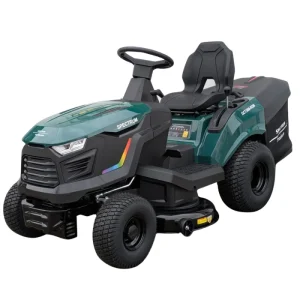


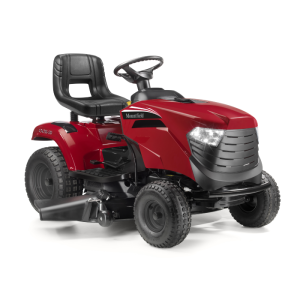

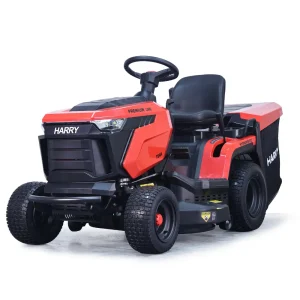


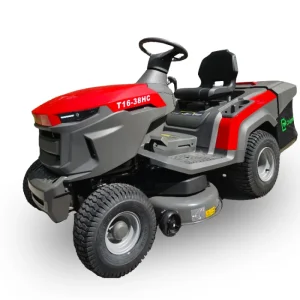


Showing 1–36 of 62 resultsSorted by popularity
Lawn Tractors: The Versatile Workhorse for British Gardens
When most people think of a ride-on mower, this is the machine they picture: engine at the front, seat at the back, and a cutting deck underneath. In the industry, we call them Lawn Tractors (or Garden Tractors), and in my experience, they remain the most popular choice for UK gardeners for one very good reason: versatility.
Based on our extensive testing at Compass GM, while a zero-turn might be faster and a front-cut might reach under bushes better, the classic Lawn Tractor is the "Jack of all trades." It mows, it collects, it tows, and it handles the unpredictable British weather with ease.
What is a lawn tractor?
A Lawn Tractor drives much like your car. You have a steering wheel, a pedal for speed (usually hydrostatic, meaning no gears to crunch), and the engine is mounted under a bonnet at the front.
Crucially, these machines are designed with a heavy-duty chassis that allows them to do more than just cut grass. They are garden utility vehicles.
Who Should Buy One?
This is the default choice for the majority of our customers with gardens ranging from 0.75 acres up to 3 acres.
You will benefit most if:
You want a "striped" finish: Many tractors (especially British-favoured brands like Mountfield and Stiga) are designed with exceptional grass collection systems that leave a neat, striped finish, even when the grass is slightly damp.
You need to tow: If you want to pull a trailer full of logs, a moss rake, a roller, or a fertiliser spreader, a Lawn Tractor is the best tool for the job.
You prefer familiar controls: Customer feedback often highlights that tractors feel safer and more intuitive to drive than lever-steered machines.
Advantages: The Power of Collection
1. Superior Grass Collection In the UK, we don't always have the luxury of dry grass. In my experience, Lawn Tractors generally have the best "bagging" performance. The mid-mounted deck uses powerful airflow to blast clippings up a central chute into a large rear collector (often 250–350 litres). This keeps your lawn looking immaculate.
2. Towing & Accessories This is where the "Tractor" part of the name comes in. With a simple tow hitch, your mower becomes a mule. Whether it's hauling compost in spring or clearing leaves with a towed sweeper in autumn, this machine earns its keep year-round.
3. Stability With a wider wheelbase and lower centre of gravity than some ride-on types, tractors feel planted. While extreme slopes require 4WD, a standard garden tractor handles gentle banking and uneven paddocks with confidence.
Potential Disadvantages
Manoeuvrability: They have the largest turning circle of the three main mower types. You may find yourself doing a "three-point turn" at the end of a narrow lawn strip.
The "Uncut Circle": Because the deck is underneath you, it can't reach into corners or under low-hanging branches as effectively as a front-cut mower. You will likely need to do a quick lap with a strimmer to tidy the edges.
Wheel Tracks: As the front wheels roll over the grass before the blades cut it, you can sometimes see faint tyre marks, although high-lift blades usually stand the grass back up for a clean cut.
Suitability Checklist
Ideally Suited For:
Formal Lawns: Where collecting clippings is a priority for a neat finish.
Mixed Use: Owners who need to cut grass and tow trailers or spreaders.
Damp Conditions: Rear-discharge tractors are often better at forcing wet grass into the bag without clogging.
Longer Grass: Side-discharge tractor models are excellent for tackling orchards or paddocks where the grass is let grow taller.
Not Suitable For:
Tiny, Intricate Gardens: If you have more flowerbeds than lawn, a tractor is too cumbersome.
Dead-End Paths: You need room to turn around.
Storage Limits: These are big machines with long bonnets and rear catchers; they require a significant footprint in your shed.
Maintenance: The "Twin Cylinder" Factor
When browsing our range, you will see "Single Cylinder" and "Twin Cylinder" engines. My advice: If you are towing or cutting thick grass, always go for the V-Twin. It runs smoother, vibrates less, and has the torque to keep the blades spinning when the going gets tough.
Practical Maintenance Tips:
The Chute Blockage: If you cut wet grass, the chute will eventually block. We advise keeping a broom handle handy to clear it! However, keeping the chute clean and polished with a silicone spray can help grass slide through.
Air Pressure: Tyre pressure is crucial for a level cut. If one rear tyre is low, your deck will sit at an angle, and you’ll scalp the lawn on one side.
Winter Prep: These machines have larger batteries. If you leave it in a cold shed for 4 months without use, it will die. We always recommend a trickle charger for the winter months.
Your Questions Answered (FAQs)
What's the difference between a lawn tractor and a ride-on mower?
Generally, a "lawn tractor" has the engine mounted at the front (under a bonnet, like a traditional tractor) and is often more powerful and suitable for towing. A "ride-on mower" can sometimes refer to a rear-engine model, which is often more compact and focused purely on mowing.
Are lawn tractors difficult to drive?
Not at all. Models with hydrostatic transmission are incredibly simple—it's just like driving an automatic car. They are designed to be intuitive and safe, with excellent manoeuvrability for their size.
What kind of maintenance does a lawn tractor require?
Like a car, they require regular servicing to keep the engine, belts, and blades in top condition. This includes oil changes, air filter cleaning, and blade sharpening. Following the manufacturer's service schedule is key to a long and reliable lifespan.
Can a lawn tractor cut wet grass?
While it's always best to mow dry grass, a powerful tractor can often cope better with damp conditions than a smaller mower. However, for the health of your lawn and the best finish, avoiding wet cutting is recommended.
Do I need a collector, or is mulching better?
This is a personal preference. A collector gives the cleanest, tidiest look and is ideal for formal lawns. Mulching is fantastic for lawn health (it's a natural fertiliser) and saves you the time and effort of emptying a grass box. Many models offer both as options.