Gardeners seeking their first lawnmower or considering an upgrade often find themselves overwhelmed by the variety of cutting systems available in today’s market. Among the competing technologies, rotary lawnmowers dominate garden centres and online retailers, yet many consumers remain uncertain about how these machines actually work and whether they represent the best choice for their specific lawn care needs. This uncertainty leads to poor purchasing decisions and disappointing mowing results.
The confusion extends beyond simple functionality, encompassing questions about maintenance requirements, cutting quality, and suitability for different grass types common in British gardens. Many gardeners assume all lawnmowers work similarly, failing to understand the fundamental differences that affect performance and longevity. Understanding what defines a rotary lawnmower and how it differs from alternative cutting systems provides the foundation for making informed equipment choices that deliver years of reliable service.
The Quick Answer
A rotary lawnmower cuts grass using a horizontally mounted metal blade that spins at high speed beneath a protective deck, creating airflow that lifts grass blades for cutting and disperses clippings, making it the most versatile and widely used mowing system for British gardens.

How Rotary Lawnmowers Work
Basic Operating Principles
Rotary lawnmowers employ a simple yet effective cutting mechanism centred around a single horizontal blade mounted on a vertical spindle. The engine or motor drives this spindle at speeds typically ranging from 2,800 to 3,600 revolutions per minute, creating tremendous centrifugal force that keeps the blade rigid during operation.
The high-speed rotation generates significant airflow beneath the mower deck, creating a partial vacuum that lifts grass blades upright just before the cutting edge arrives. This lifting action ensures clean, consistent cuts across varying grass heights and densities. The same airflow that lifts grass also disperses clippings away from the cutting area, preventing clogging and ensuring continuous operation.
The protective deck surrounding the blade serves multiple purposes beyond safety. Its shape channels airflow efficiently whilst containing clippings until they can be properly discharged. Modern deck designs incorporate aerodynamic principles that optimise grass lifting and clipping distribution for superior cutting performance.
Cutting Mechanism Details
The rotary blade typically measures 40-55cm in length for domestic mowers, with curved or angled tips that create the airflow necessary for proper grass lifting. Sharp cutting edges at each end of the blade slice through grass stems cleanly when properly maintained, whilst the blade’s weight and speed provide momentum to power through thick or tough grass conditions.
Unlike cylinder mowers that use a scissor-like cutting action, rotary blades impact grass stems at high speed, requiring sharp edges and proper blade balance for optimal results. The cutting height is adjustable through various mechanisms, allowing operators to select appropriate grass lengths for different seasons and lawn conditions.
The blade mounting system incorporates safety features that allow the blade to swing away or stop rotating if it strikes solid objects, protecting both the equipment and operator from damage. Modern designs include blade brake systems that stop rotation within seconds of releasing the operator controls.
Engine and Power Systems
Petrol-powered rotary mowers typically use single-cylinder four-stroke engines ranging from 100cc to 200cc for domestic applications. These engines provide the substantial torque required to maintain blade speed when encountering thick grass or challenging conditions. The direct drive connection between engine and blade ensures immediate power transfer without the complexity of transmissions or belt systems.
Electric rotary mowers utilise powerful motors that deliver instant torque and consistent performance throughout the battery charge or when connected to mains power. Modern brushless motor technology provides efficiency levels that extend battery life whilst delivering cutting performance comparable to petrol alternatives.
The power requirements for rotary systems are generally higher than cylinder alternatives due to the energy needed to maintain high blade speeds and generate sufficient airflow for proper grass lifting and clipping dispersal.

Types of Rotary Lawnmowers
Walk-Behind Models
Self-propelled walk-behind rotary mowers represent the most popular category for British domestic users, combining manoeuvrability with user-friendly operation. These machines typically feature variable speed drive systems that allow operators to match walking pace with cutting conditions whilst maintaining optimal cutting performance.
Push-type rotary mowers eliminate drive systems entirely, reducing weight, complexity, and cost whilst requiring more physical effort from operators. These models suit smaller lawns and users who prefer the exercise benefits of manual propulsion combined with the cutting advantages of rotary technology.
Professional walk-behind rotary mowers incorporate heavier construction, more powerful engines, and enhanced cutting deck designs that deliver superior performance in commercial applications whilst maintaining the accessibility and control that characterise walk-behind operation.
Ride-On Rotary Mowers
Garden tractor rotary mowers combine rotary cutting systems with ride-on convenience for larger properties where walk-behind operation becomes impractical. These machines often feature multiple-blade systems or wider cutting decks that reduce mowing time significantly compared to smaller alternatives.
Zero-turn rotary mowers provide ultimate manoeuvrability for properties with complex landscaping features, using independent wheel drive systems that allow rotation in place. The rotary cutting system adapts well to the variable speeds and direction changes characteristic of zero-turn operation.
Compact ride-on rotary mowers serve medium-sized gardens where full-size tractors are unnecessary but walk-behind operation is burdensome. These machines balance cutting performance, operator comfort, and storage requirements for typical British suburban gardens.
Robotic Rotary Mowers
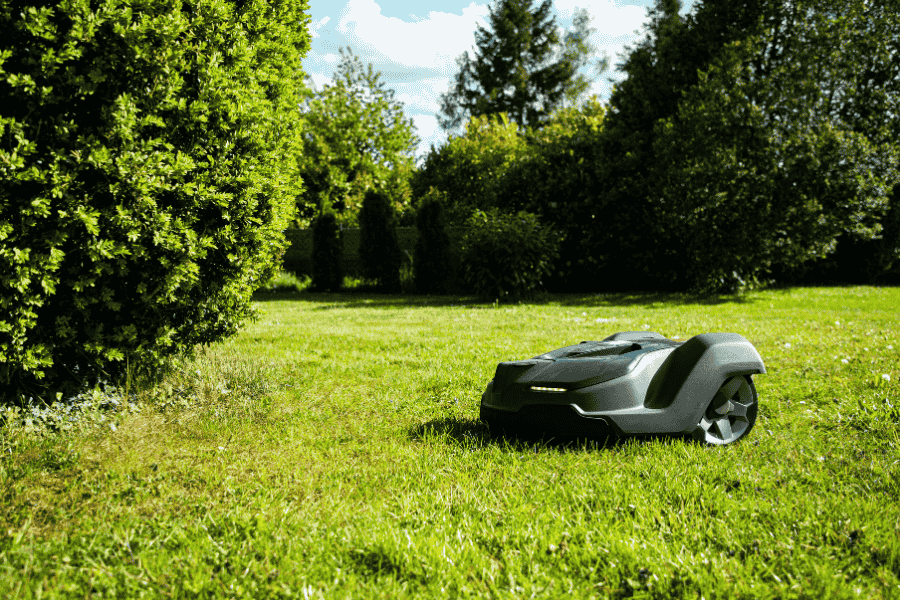
Autonomous rotary mowers represent the latest evolution in rotary technology, using small, lightweight rotary blades powered by battery systems. These machines operate continuously or on programmed schedules, maintaining grass at consistent heights through frequent light cutting that eliminates the need for clipping collection.
The rotary cutting system adapts particularly well to robotic applications because it handles varying grass heights effectively and processes clippings into fine particles that decompose quickly. Modern robotic rotary mowers include sophisticated sensor systems that detect obstacles and adjust cutting patterns accordingly.
Installation requirements for robotic rotary systems include boundary wire installation and charging station placement, but the cutting mechanism itself requires minimal maintenance compared to traditional rotary alternatives.
The Verdict: To Roll or Not to Roll?
After weighing evidence from horticultural experts and landscape professionals, the balanced answer emerges. Lawn rollers serve specific, limited purposes but should not be routine lawn care tools. For settling new turf, preparing sports surfaces, or occasional levelling after frost heave, they remain invaluable. For general lawn maintenance, however, they often cause more problems than they solve.
The future of lawn care lies in understanding soil ecology, recognising that healthy lawns require loose, well-aerated soil rather than compressed surfaces. As British gardeners become more sophisticated about soil health, roller manufacturers have responded with lighter, more adjustable models that minimise damage while providing the specific benefits professionals need.
Conclusion
The lawn roller embodies gardening’s broader philosophy. The right tool, used at the right time, in the right way, produces magnificent results. Used indiscriminately, it becomes an instrument of destruction. As British gardening evolves toward more ecological approaches, the roller’s role becomes more specialised but no less important for specific applications.
For homeowners, the message is clear. Understand your soil type, assess your actual needs, and never roll out of habit rather than necessity. When in doubt, consult professionals like those at Compass Garden Machinery who can recommend whether your lawn would benefit from rolling or whether alternative approaches might serve better. Your grass’s health and your back will thank you for the thoughtful approach.