Spring is the perfect time to freshen up your garden, and one way to do this is by aerating your lawn. This important lawn care step involves making small holes in the soil, which helps the grass get more air, water, and nutrients. With these benefits, aerating your lawn in spring gives your grass a much-needed boost, making it stronger and more vibrant.
Aeration isn’t just for looks; it’s a health kick for your grass. As the weather warms up and grass begins to grow, aeration allows roots to spread out more effectively. This process not only helps in breaking up compacted soil but also ensures the grass has access to everything it needs to thrive.
A well-aerated lawn can absorb up to twice as much water and nutrients as a non-aerated one. This means a healthier lawn that’s more resistant to drought and disease. Plus, your garden becomes an inviting place to relax during the warmer months. Embracing these simple changes in your lawn care routine makes a big difference in how your garden looks and feels.
Understanding Lawn Aeration
Lawn aeration is a simple way to improve the health of your grass by allowing air, water, and nutrients to reach the roots. It involves creating small holes in the soil to address issues like compacted soil and thatch build-up, which can impact lawn vitality.
Benefits of Aeration
Aerating offers several benefits that can lead to a healthier, more vibrant lawn. It helps to break up compacted soil, which improves drainage and allows better nutrient absorption. This process also promotes gaseous exchange, allowing oxygen to reach the root system. Additionally, aeration encourages deeper root growth by reducing water runoff, enabling the lawn to withstand dry spells more effectively. It also helps reduce thatch build-up, creating a more resilient lawn that needs less frequent watering.
Identifying Compaction and Thatch Issues
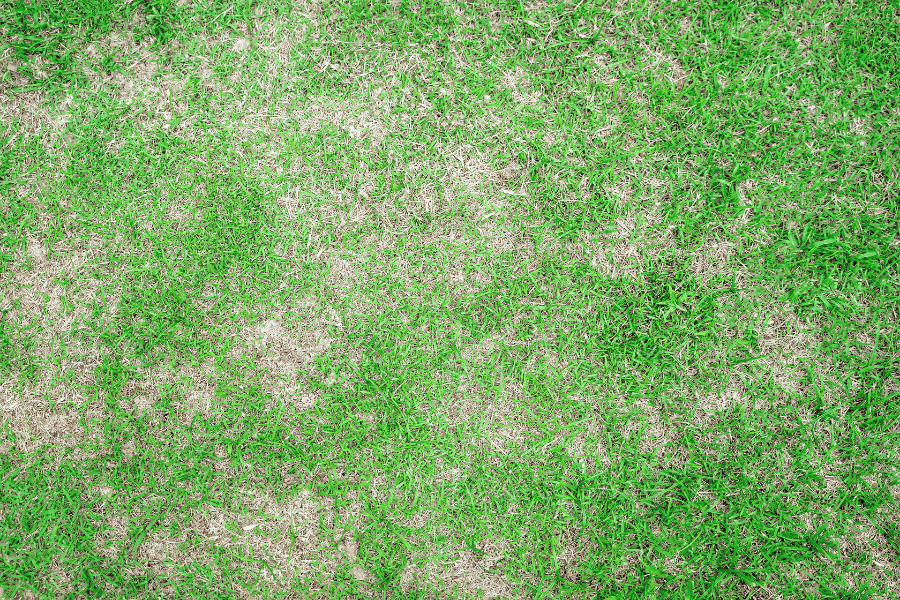
Compacted soil can be identified by poor drainage and pools of water on the grass surface. It often feels harder to the touch and may appear thin or patchy. Thatch is a layer of organic matter composed of dead grass and roots that sits between the soil and the grass. Signs of excess thatch include a spongy feel underfoot and a lawn that dries out quickly after rain. A regular aeration schedule can prevent these problems from escalating, keeping the lawn in good condition.
When to Aerate Your Lawn
The best time to aerate the lawn depends on the type of grass and local climate. Spring is often recommended for cool-season grasses, as it allows the lawn to recover before the heat of summer. For warm-season grasses, late spring or early summer is preferred. Ideal conditions for aeration include moist soil, which is more pliable and less prone to damage during the process. Checking the weather forecast for light rain before aerating can help ensure the soil is appropriately moist, promoting successful aeration.
Aeration Techniques and Tools
Lawn aeration improves the health of grass by allowing air, water, and nutrients to penetrate the soil. This process can be done using various techniques and tools that suit different lawn needs and conditions.
Core Aeration vs. Spiking
Core aeration and spiking are two popular methods of aerating lawns. Core aeration involves removing small cores or plugs of soil from the ground. This method reduces soil compaction effectively and is ideal for heavily compacted areas. Core aerators have hollow tines that pull soil plugs out, creating space for roots to breathe and absorb nutrients.
On the other hand, spike aeration also improves air and water flow but does not remove soil. It uses tools like spike aerators or garden forks to punch holes into the soil. This method is less effective for compacted areas but can be useful for short-term fixes or maintenance.
Choosing the Right Aerator
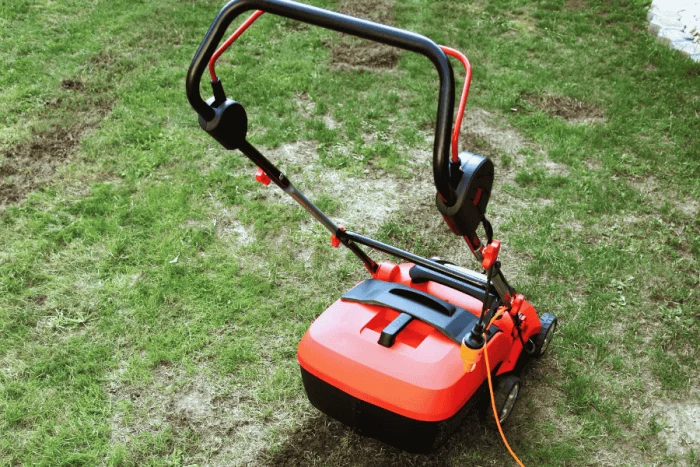
Selecting the right aerator depends on the size and condition of your lawn. A hollow tine aerator is efficient for large lawns with compacted soil, easily covering a wide area. This tool is more suitable for professional use or rental due to its size and power.
For smaller lawns, a rolling lawn aerator may suffice. It is simple and inexpensive, suitable for homeowners looking for ease of use. Spike aerators or manual tools like a garden fork are handy for light maintenance or when on a budget. They are easy to operate and provide adequate aeration for smaller spaces.
DIY Aeration With a Garden Fork
For those who prefer to aerate their lawn manually, a garden fork can be a practical tool. This cost-effective method involves using the fork to push holes into the lawn. DIY aeration with a garden fork is labour-intensive but offers control over where and how deep the holes go.
Care is needed not to compact the soil further during this process. For best results, this method is suited to smaller areas or spot treatments. Ensure the soil is moist but not soggy before beginning to make the job easier and more effective. A regular, consistent pattern can help ensure even aeration across the lawn.

Post-Aeration Lawn Care
After aerating a lawn, it’s important to look after it to help it recover and flourish. This involves proper seeding, adequate watering, careful mowing, and managing both moss and weeds to ensure healthy growth.
Seeding and Fertilising
Once the lawn has been aerated, overseeding can fill in bare patches and encourage thick, lush grass. Using a good quality grass seed that suits the climate is important for the best results. After seeding, fertilising the lawn will provide the nutrients the seedlings need to grow strong. Choose a suitable lawn feed high in phosphorus to promote root development.
Top dressing the lawn with a thin layer of organic compost or another suitable dressing can help protect the seeds and improve soil quality. It’s a good idea to use a fertiliser spreader to ensure even coverage. The right balance of overseeding and fertilising will set up the lawn for growth and vitality.
Watering and Mowing Strategy
Watering after aeration is key to ensuring the new seeds and existing grass take root. Watering should be light but consistent. It’s best to water deeply once or twice a week, rather than lightly every day, to encourage deeper root growth. The soil should remain moist but not overly saturated.
Mowing should be delayed until the new grass is established, usually around 3-4 weeks after seeding. The initial mowing should be done when grass reaches about 4 inches. Use sharp mower blades to prevent pulling and tearing of the grass. Regular mowing helps maintain healthy grass but avoid cutting it too short. Aim for leaving about 2½ inches of grass height.
Managing Moss and Weeds
Moss and weeds, like crabgrass, can become a problem during recovery. Scarifying the lawn can help remove moss, allowing more air and nutrients to reach the grass roots. After aerating, applying a pre-emergent herbicide can prevent weed seeds from germinating, giving the grass a better chance to thrive.
Regular inspection for weeds is essential. Pulling them out by hand or using targeted weed treatment can stop them from spreading. Moss can be addressed by improving soil drainage and ensuring not to overwater. Both methods will help in keeping the lawn healthy and attractive.