The chill in the air doesn’t just affect people and plants; it can wreak havoc on lawn mower batteries too. Cold weather can slow down the chemical reactions inside the battery, leading to a significant drop in performance and even permanent damage.
For optimal battery health and longevity, it is advised to remove the lawn mower battery and store it in a warmer, dry environment during winter. This simple step can help prevent the battery from losing charge and reduce the risk of corrosion. Without the stress of the cold, your battery will be ready to roar back to life when you need it most in the spring.
Storing the battery properly isn’t just about avoiding damage; it’s about saving future hassle and potentially costly replacements. A few minutes of care now can ensure your mower remains a smooth operator for seasons to come. So, what’s the best way to store your battery? Are there other tips to keep it in top condition? Keep reading to find out.

Understanding Lawn Mower Batteries
Lawn mower batteries play a critical role in a mower’s performance, especially during colder months. Knowing the types of batteries and how they handle cold temperatures is beneficial for maintaining your equipment.
Types of Lawn Mower Batteries
There are mainly two types of lawn mower batteries: lead-acid and lithium-ion.
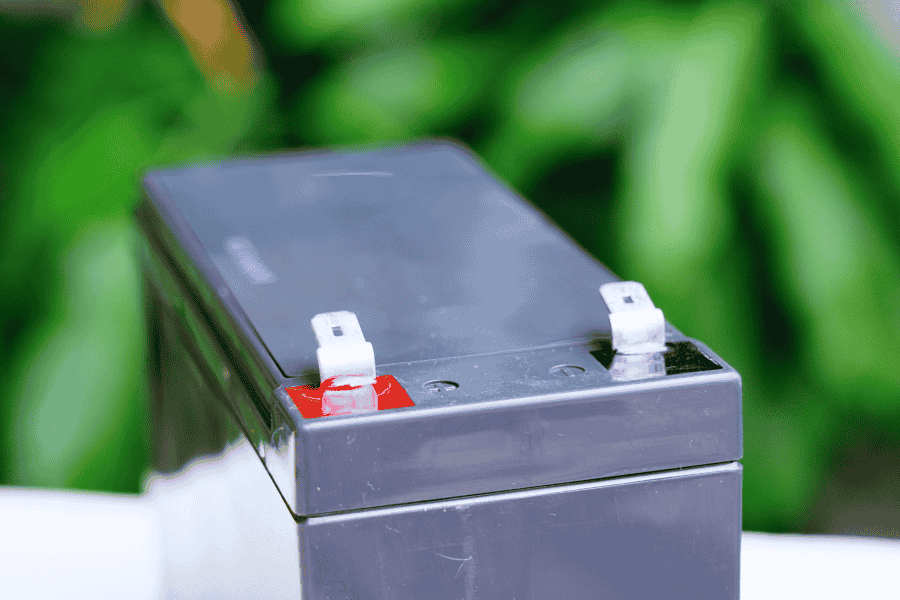
Lead-acid batteries are common due to their affordability and reliability. These batteries have been around for a long time and can handle most lawn mowing tasks effectively. They do, however, require regular maintenance, like checking water levels and preventing corrosion on terminals.
Lithium-ion batteries are more modern, offering longer life and less maintenance. They’re lighter and charge faster than lead-acid batteries. Although more expensive, they are often preferred in electric mowers for their efficiency and environmental friendliness.
How Batteries Respond to Cold Temperatures
Cold temperatures can be tough on batteries.
Lawn mower batteries often face reduced performance during the winter. When temperatures drop, the chemical reactions in the battery slow down, leading to lower power output.
Lead-acid batteries can freeze if not fully charged, particularly in prolonged freezing conditions. A charged battery has a lower freezing point and is less likely to freeze. It’s important to store these batteries in a cool, dry place during winter months to prolong their lifespan.
Lithium-ion batteries are less prone to freezing but can still experience reduced efficiency in extreme cold. They generally handle temperature variations better but should also be stored properly when not in use. Keeping these batteries at moderate temperatures when stored can help maintain their performance.
The Importance of Winter Battery Maintenance
Winter can be harsh on lawn mower batteries. Proper maintenance during these cold months is key to preventing issues like corrosion and sulfation, which could shorten battery life.
Preventing Corrosion and Sulfation
During winter, batteries are at risk of developing corrosion on their terminals. This corrosion can hinder the flow of electricity, reducing battery performance. To prevent corrosion, it’s important to clean the battery terminals regularly. Use a mixture of baking soda and water, applying it with a brush to remove any build-up.
Another issue is sulfation, where lead sulfate crystals form on the battery plates when it’s not fully charged. Over time, this can damage the battery. Keeping the battery charged can prevent this. Using a battery maintainer helps by providing a steady charge, ensuring it remains in good condition throughout the winter months.
Extending Battery Lifespan
Proper winter maintenance can significantly extend a battery’s lifespan. Storing the battery in a dry, cool place protects it from freezing temperatures. This reduces the risk of battery damage linked to extreme cold.
Regular charging is also critical. Making sure the battery is fully charged before storage can prevent it from discharging too much over winter. A partially charged battery is more likely to suffer from internal damage, which can shorten its lifespan. Checking the charge every few weeks and using a maintainer if needed can keep the battery healthy and ready for use when spring arrives.

Proper Winter Battery Storage
Properly storing a lawn mower battery during winter is key to maintaining its performance and extending its lifespan. This involves preparation, selecting the right storage environment, and ensuring the battery remains charged.
Preparing for Storage
To prepare a lawn mower battery for winter storage, it is important to disconnect the battery from the mower. This prevents any accidental discharge. Then, clean the battery terminals to remove dirt and debris, which can interfere with performance.
Removing the battery from the mower helps prevent cold damage. Checking the battery’s charge level before storing is a good idea. Batteries store best when fully charged. Consider using a battery tender to maintain the charge throughout winter.
Choosing the Right Environment
The ideal environment for winter battery storage is a cool, dry place. Basements and insulated garages are great options, as they provide a temperature-controlled environment. Avoid areas that are too humid or prone to temperature fluctuations. Exposure to extreme cold can shorten battery life.
Temperatures should stay above freezing, so battery health is not compromised. Keeping the battery away from heat sources is also important. By controlling temperature, battery performance can be maintained more effectively.
Maintaining Charge and Health
Keep the battery charged during storage to maintain its health. A battery tender or trickle charger is a handy tool for this. It keeps the battery at optimum charge without overcharging. Regularly check the battery’s charge level, especially in longer storage periods.
Recharging the battery every month or so can prevent discharge and keep it ready for use. Monitoring for any signs of damage or corrosion helps in taking timely action. Adhering to these best practices for battery storage can significantly extend your battery’s life, readying it for efficient performance come spring.

Battery Care Best Practices
Looking after your lawn mower battery during winter mostly involves routine maintenance and using a battery tender or maintainer. These steps help keep your battery in good shape and working well when the warmer months return.
Routine Maintenance
Regular upkeep is key for prolonging the life of a lawn mower battery. Begin by cleaning the battery terminals to remove dirt and corrosion, which can impact performance. A soft cloth and a mild cleaning solution work best for this task. Corrosion can be tackled using a solution of baking soda and water.
Checking the battery’s charge is also wise. Batteries can lose charge over time, especially in cold conditions. Using a voltmeter can help monitor the battery’s charge level and ensure it has enough power to restart when needed. Storing the battery in a dry, cool place is advisable to prevent any damage from moisture or freezing temperatures.
Using Battery Tenders and Maintainers
Battery tenders or maintainers are useful tools that keep the battery at an optimal charge without overcharging it. Unlike regular chargers, these devices automatically stop charging once the battery is full, which helps prevent damage. Trickle chargers can be used for a slow and steady charge.
Connecting a battery maintainer over winter is an effective way to maintain charge levels. They provide a consistent low-voltage current, ensuring the battery stays charged. This is particularly helpful for older batteries or those kept in storage for long periods. Regularly checking connections is recommended to ensure everything is working correctly.