For British gardeners and farmers, timing is everything when it comes to weed control. Spraying weeds too early can waste resources, but waiting too long risks letting invasive plants take over.
In the UK, the window for effective weed spraying typically closes by mid-autumn (October) for perennial weeds and late spring (May/June) for annuals. Missing these critical periods can lead to reduced herbicide efficacy, seed spread, and a tougher battle the following year.
Late autumn and early spring are prime times to tackle weeds, as plants are actively growing and vulnerable to herbicides. However, weather, weed type, and regional climate variations play a role. Understanding these factors ensures your efforts are successful and sustainable.

Understanding the Critical Timing for Weed Control
Weed management hinges on aligning herbicide applications with the plant’s growth cycle. Herbicides are most effective when weeds are young, actively growing, and haven’t yet flowered or set seed. Once weeds mature or enter dormancy, they become harder to kill, and spraying may do more harm than good.
In the UK, autumn (September to November) is ideal for targeting perennial weeds like dock, nettles, and couch grass. These plants store energy in their roots during autumn, making systemic herbicides more effective. By contrast, annual weeds like chickweed and groundsel are best sprayed in spring (March to May) before they flower.
Key factors influencing spraying timelines:
Weather: Cold, frosty (check out our frost date calculator), or wet conditions reduce herbicide absorption.
Weed lifecycle: Annuals complete their lifecycle in one year; perennials regrow yearly.
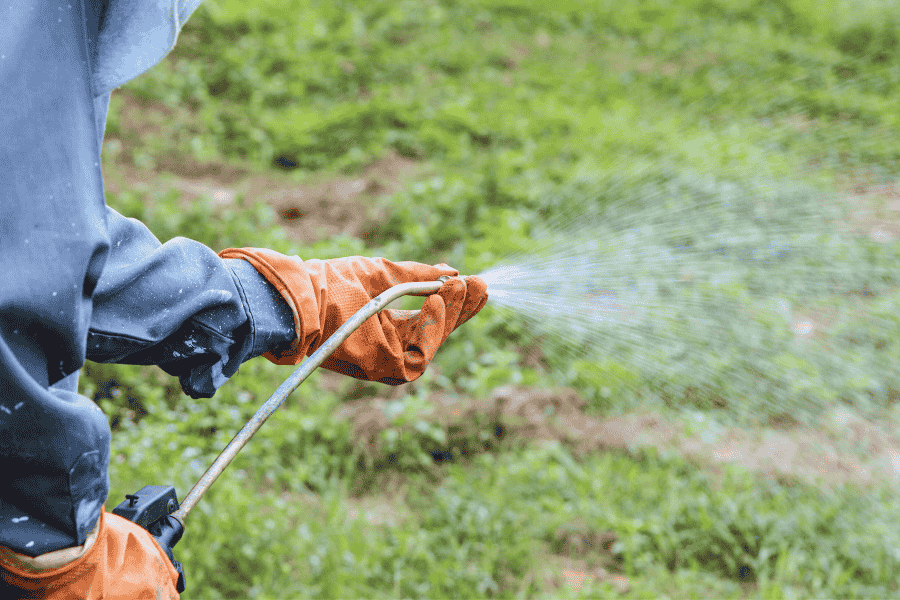
Herbicide type: Contact herbicides work on foliage, while systemic types need active growth to penetrate roots.
Missing the optimal window risks wasted effort, herbicide resistance, and environmental damage.
The Lifecycle of Common UK Weeds
To determine when it’s too late to spray, you must first understand the weeds you’re dealing with.
Annual Weeds
Annual weeds germinate, flower, set seed, and die within a single year. Examples include hairy bittercress, speedwell, and fat hen. These weeds are easiest to control in their seedling stage (early spring). By late spring or early summer, many annuals have already flowered and scattered seeds, making spraying pointless. Pre-emergent herbicides applied in late winter (February) can prevent germination.
Perennial Weeds
Perennials like dandelions, Japanese knotweed, and creeping thistle regrow yearly from roots or rhizomes. They’re most vulnerable in autumn, as they prepare for winter by moving nutrients to their roots. Spraying systemic herbicides in September or October ensures the chemicals reach the root system. By late autumn (November), cooler temperatures slow growth, reducing herbicide uptake.
Biennial Weeds
Biennials, such as ragwort and spear thistle, take two years to complete their lifecycle. They form rosettes in their first year and flower in the second. Spraying is most effective in the first-year rosette stage or early second-year growth.

Optimal Spraying Windows and When It’s Too Late
Spring Spraying: March to May
Spring is critical for annual weeds. Apply post-emergent herbicides as seedlings emerge. Once temperatures consistently exceed 10°C, weeds grow actively, improving herbicide absorption. However, if weeds have already flowered (usually by June), spraying won’t prevent seed dispersal.
Signs it’s too late to spray in spring:
Flowers or seed heads are visible.
Stems become woody or tough.
Weather turns hot and dry, stressing plants.
Autumn Spraying: September to October
Autumn targets perennials and winter annuals. Spray on mild, dry days when weeds are still growing. By late October, shorter days and colder soil temperatures slow plant activity, reducing herbicide effectiveness. Frosts can damage foliage, further limiting chemical uptake.
Signs it’s too late to spray in autumn:
First frosts have occurred.
Weeds yellow or die back naturally.
Soil temperatures drop below 5°C.
Winter Considerations
Spraying in winter (December to February) is generally ineffective. Dormant weeds won’t absorb herbicides, and rain can wash chemicals into waterways. Exceptions include mild winters or evergreen weeds like ivy.

Practical Guidance for Effective Weed Management
1. Identify Your Weeds
Correctly identify weeds to choose the right herbicide and timing. Use resources from the Royal Horticultural Society (RHS) or local agricultural extensions.
2. Choose the Right Herbicide
- Contact herbicides (e.g., pelargonic acid): Kill foliage quickly but not roots. Best for young annuals.
- Systemic herbicides (e.g., glyphosate): Travel through the plant to roots. Ideal for perennials in autumn.
- Residual herbicides: Form a barrier in soil to prevent germination. Apply in late winter.
3. Monitor Weather Conditions
Avoid spraying if rain is forecast within 6 hours.
Ideal temperatures: 10–25°C.
Wind speeds below 10 mph to prevent drift.
4. Spot Spray, Don’t Blanket Spray
Target specific weeds to minimise chemical use and protect beneficial plants.
5. Signs You’ve Missed the Window
Seeds are already dispersed.
Herbicide shows no effect after 2 weeks.
Weeds regrow from roots after treatment.
In these cases, manual removal or mulching may be better options.