Winter often brings a sense of relief to gardeners, as frost blankets the ground and many plants retreat into dormancy. But does this seasonal shift spell the end for weeds? The answer isn’t straightforward. While cold temperatures can kill some weeds, others survive by adapting to harsh conditions, either by going dormant or continuing to grow beneath the snow.
Weeds are categorised by their life cycles: annuals, biennials, and perennials. Each group responds differently to winter. Annuals complete their lifecycle in one year, while perennials persist for multiple seasons. Biennials straddle the middle, taking two years to mature. Understanding these distinctions is key to managing weeds effectively year-round.
This article explores how weeds survive winter, which species thrive in cold weather, and strategies to control them. From dormancy mechanisms to proactive gardening techniques, we’ll uncover why weeds remain a challenge even in the coldest months and how to keep them at bay.

The Survival Strategies of Winter Weeds
Annual Weeds: Masters of Timing
Annual weeds are divided into summer and winter varieties. Summer annuals, like crabgrass, germinate in spring and die with the first frost. Winter annuals, such as chickweed and henbit, thrive in cooler temperatures.
These plants germinate in fall, grow slowly through winter, and flower in spring before dying. Their seeds remain dormant in soil, waiting for ideal conditions to sprout again. This lifecycle allows them to exploit gaps in garden maintenance, especially when other plants are inactive.
Perennial Weeds: The Underground Survivors
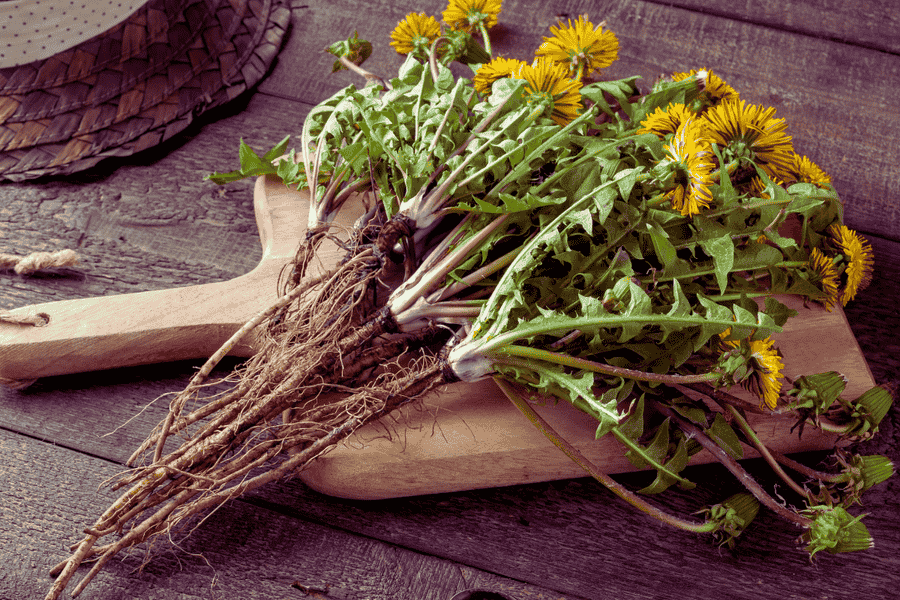
Perennial weeds, including dandelions and clover, are built to endure. Their roots store nutrients, enabling them to survive freezing temperatures. While their foliage may die back, their root systems stay alive underground.
Come spring, they regenerate with vigor. For example, dandelion roots can extend 15 feet deep, making them nearly impervious to frost. These weeds also reproduce through seeds and rhizomes, ensuring their persistence even if above-ground growth is disrupted.
Biennial Weeds: A Two-Year Challenge
Biennials like burdock and thistles spend their first year establishing roots and leaves before flowering in their second year. While they may appear dormant in winter, their taproots remain active. If not removed early, they’ll return stronger in spring, making winter a critical window for control.
Factors Influencing Weed Survival in Winter
Temperature Thresholds and Frost Tolerance
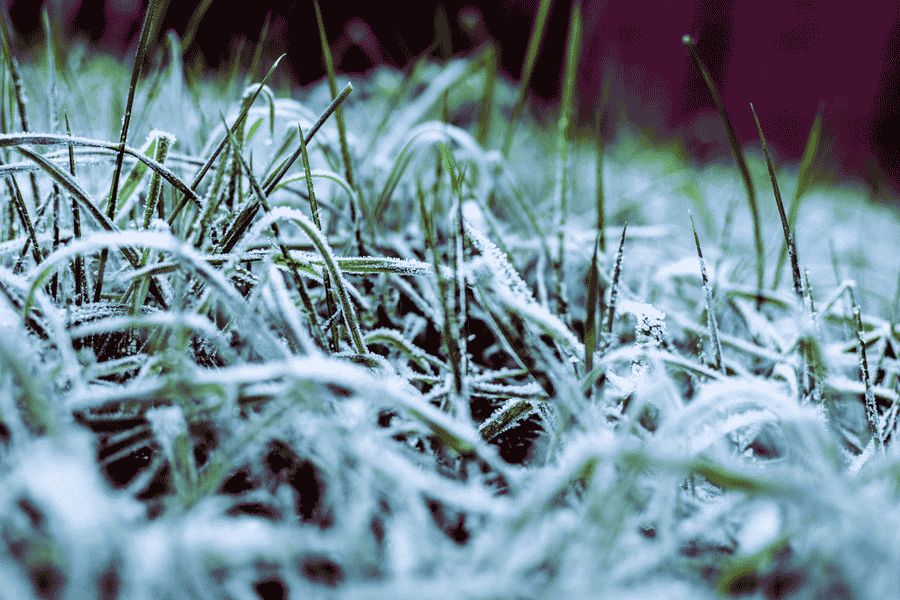
Most weeds succumb when temperatures drop below 28°F (-2°C) for four hours or more. However, hardy species like annual bluegrass and wintergrass can survive weeks under snow and ice. Frost may even stimulate growth in cold-adapted weeds like chickweed, allowing them to outcompete dormant garden plants.
The Role of Snow and Soil Insulation
Snow acts as an insulating layer, protecting weed roots from extreme cold. In milder climates, weeds like creeping oxalis and plantain continue growing under this cover. Conversely, heavy snowfall can suppress summer annuals by keeping their seeds dormant until spring.
Seed Dormancy: A Built-In Survival Mechanism
Weeds like pigweed and lambsquarters produce thousands of seeds with protective coatings. These seeds lie dormant in soil for years, unaffected by herbicides or frost. When warmth and moisture return, they germinate, ensuring the weed’s legacy continues19.
Effective Winter Weed Control Strategies
Manual Removal and Cultivation
Pulling weeds by hand or using a hoe is effective for small infestations. Focus on removing roots entirely, especially for perennials. Fall cultivation can expose weed roots to freezing temperatures, reducing their chances of regrowth.
Mulching: Nature’s Weed Suppressant
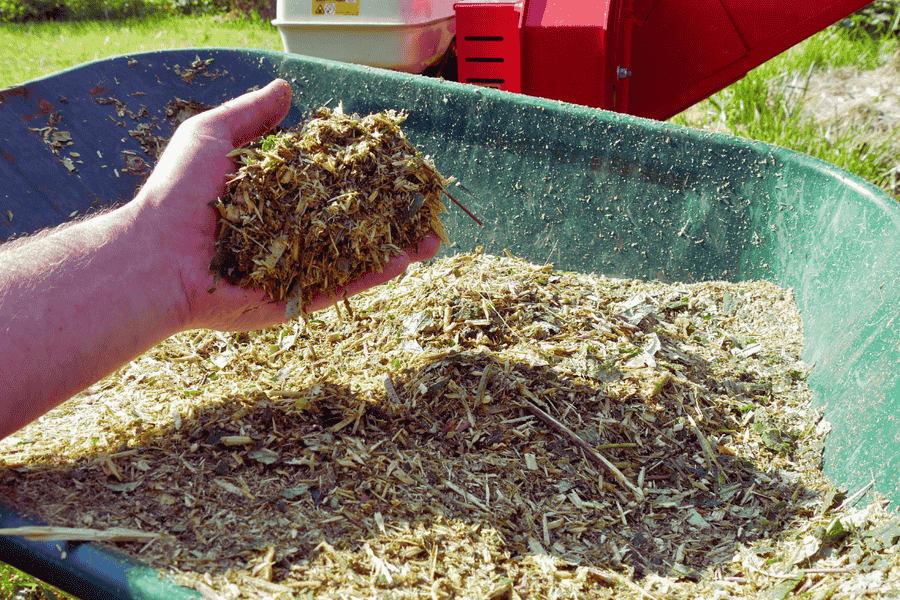
A 2–3-inch layer of mulch blocks light from reaching weed seeds, preventing germination. Organic options like wood chips or straw also enrich soil as they decompose. For persistent weeds like nutsedge, combine mulch with landscape fabric to reinforce the barrier.
Herbicides: Timing Is Everything
Winter is ideal for applying pre-emergent herbicides, which target seeds before they sprout. Post-emergent herbicides work best on actively growing weeds, but their efficacy drops in cold weather. Organic alternatives, like vinegar-based sprays or corn gluten meal, offer chemical-free solutions.
Debunking Myths About Winter Weeds
Myth 1: Winter Kills All Weeds
While frost eliminates summer annuals, many weeds survive through dormancy or cold adaptation.
Myth 2: Weeds Stop Growing Entirely
Winter annuals like shepherd’s purse and wintergrass actively grow in colder months, often outpacing desirable plants. Their ability to photosynthesise at lower temperatures gives them a competitive edge3.
Myth 3: Herbicides Are Useless in Winter
While some herbicides lose potency in cold weather, selective options like isoxaben and propyzamide target winter-active weeds. Always match the herbicide to the weed type and follow label instructions for temperature guidelines.
Long-Term Weed Management: Prevention Over Cure
Building Healthy Soil
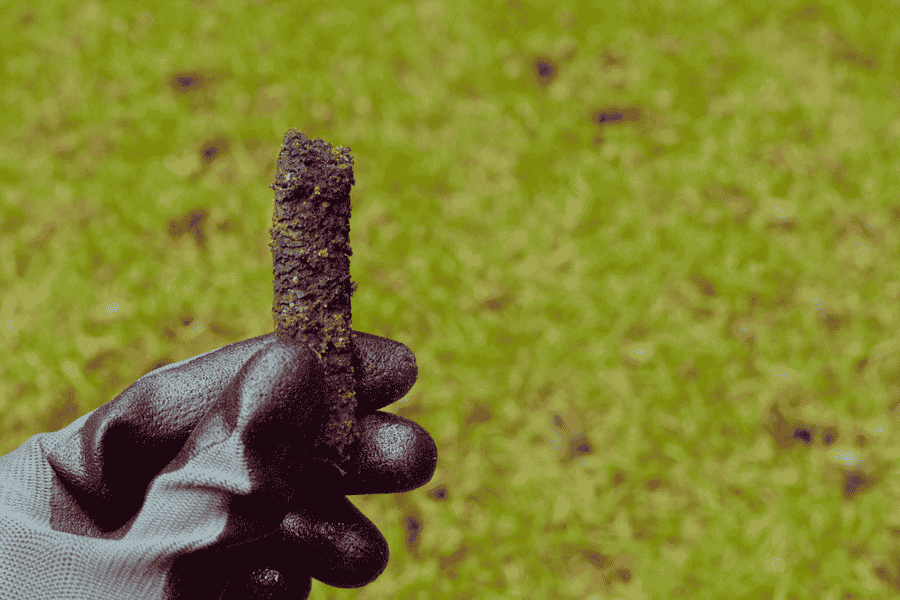
Weeds thrive in compacted or nutrient-poor soil. Regular aeration and adding compost improve soil structure, helping grass and garden plants outcompete invaders.
Strategic Planting and Cover Crops
Dense plantings and cover crops like winter rye reduce bare soil, leaving fewer opportunities for weeds to establish. These plants also suppress weeds through natural competition.
Consistent Monitoring
Frequent weeding in early spring prevents seedlings from maturing and seeding. For perennial weeds, persistence is key—repeated removal weakens their root systems over time110.
Conclusion
Winter is not the weed-free respite many gardeners hope for. While frost and snow impact certain species, others adapt through dormancy, underground survival, or even accelerated growth. Understanding these behaviors empowers gardeners to take proactive steps, from mulching to timely herbicide applications.
By combining manual efforts, organic practices, and strategic planning, you can reduce weed pressure year-round. Remember: weeds are tenacious, but with knowledge and consistency, your garden can thrive in every season.