For homeowners across the UK, laying new turf is an exciting step toward achieving a lush, green garden. However, the sight of yellowing grass can quickly turn enthusiasm into concern. New turf going yellow is a common issue, often linked to watering practices, soil health, or installation errors. Understanding the causes and implementing timely solutions can restore your lawn’s vitality and ensure long-term health.
Yellowing turf doesn’t have to spell disaster. With the right approach, you can address underlying issues and prevent further damage. This guide explores the reasons behind discoloured grass and offers practical advice tailored to British climates. Whether you’re a novice gardener or a seasoned pro, these insights will help you nurture your lawn back to vibrant health.
By acting quickly and following expert recommendations, you’ll be well on your way to enjoying the thriving green space you envisioned. Let’s delve into the causes, remedies, and preventive measures for yellowing new turf.
Common Causes of Yellowing New Turf
Several factors can cause new turf to turn yellow, many of which are preventable with proper care. Identifying the root cause is the first step toward effective treatment.
Watering Issues
Watering is critical during the first few weeks after laying turf. Overwatering or underwatering are frequent culprits of yellowing grass. In the UK’s variable climate, heavy rain can saturate soil, depriving roots of oxygen, while dry spells may lead to dehydration.
Overwatering: Soggy soil encourages root rot, turning grass yellow and limp.
Underwatering: Turf dries out, especially during unseasonably warm periods.
Adjust watering based on weather conditions. New turf typically needs daily watering for the first two weeks, but reduce frequency if rainfall is abundant. For tailored irrigation advice, explore Compass GM’s lawn care services (compassgm.co.uk/lawn-care).
Soil Health and Nutrient Deficiencies
Poor soil quality is another leading cause of yellow turf. Compacted soil, incorrect pH levels, or lack of essential nutrients like nitrogen can hinder growth.
Test soil pH (ideally between 6.0 and 7.0 for most grasses).
Apply a balanced fertiliser to address deficiencies.
In the UK, clay-heavy soils are common, which may require aerating to improve drainage.
Pests and Diseases
Fungal diseases like fusarium or pests such as leatherjackets can damage new turf. Look for patches of yellow grass with irregular shapes or visible insects.
Apply fungicides or nematodes for pest control.
Remove affected areas and reseed if necessary.

How to Revive Yellow Turf
Once you’ve identified the cause, take targeted steps to restore your lawn’s health. Here’s what to do:
Adjust Watering Practices
Ensure the soil remains moist but not waterlogged. Use a screwdriver test: If it sinks in easily, the soil is adequately watered. During dry spells, water early in the morning to minimise evaporation.
Improve Soil Conditions
Aerate compacted areas to enhance oxygen flow and drainage. Top-dress with sand or compost to improve soil structure. For persistent issues, consult Compass GM’s experts (https://compassgm.co.uk/lawn-care) for tailored solutions.
Apply Fertiliser
Use a slow-release nitrogen-rich fertiliser to green up grass. Avoid over-fertilising, which can burn roots and worsen yellowing.
Address Pests and Diseases
Treat fungal infections with appropriate fungicides. For pests like leatherjackets, apply biological controls or insecticides. Reseed bare patches once the issue is resolved.
Preventing Yellow Turf in the Future
Prevention is key to maintaining a healthy lawn. Follow these steps to avoid yellowing:
Choose the Right Turf Type
Select grass varieties suited to your region and soil type. In the UK, popular choices include:
Perennial Ryegrass: Durable and fast-growing.
Fescue: Shade-tolerant and drought-resistant.
Prepare Soil Properly
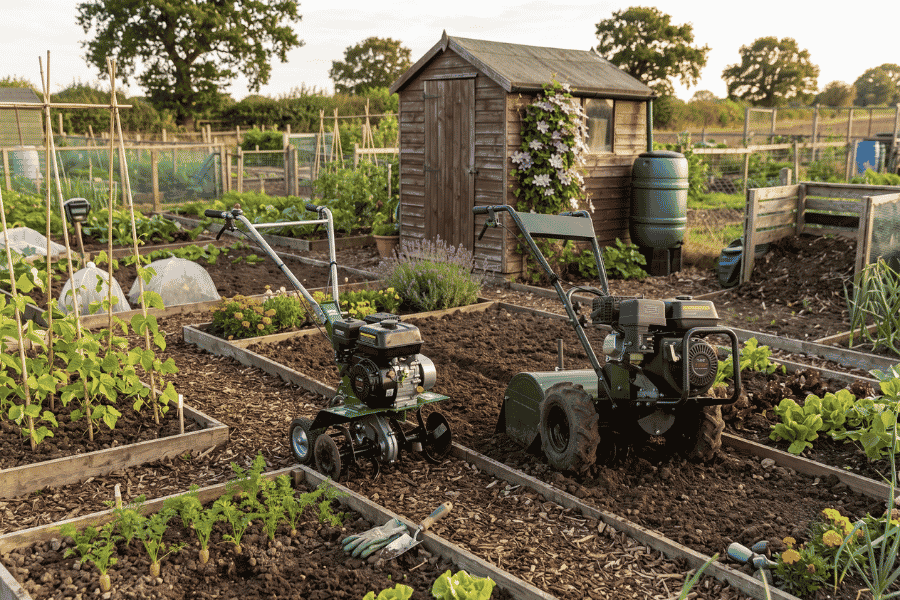
Before laying turf, remove weeds and stones. Rotovate the soil to a depth of 15cm and incorporate organic matter. Level the surface to prevent water pooling.
Follow Proper Installation Techniques
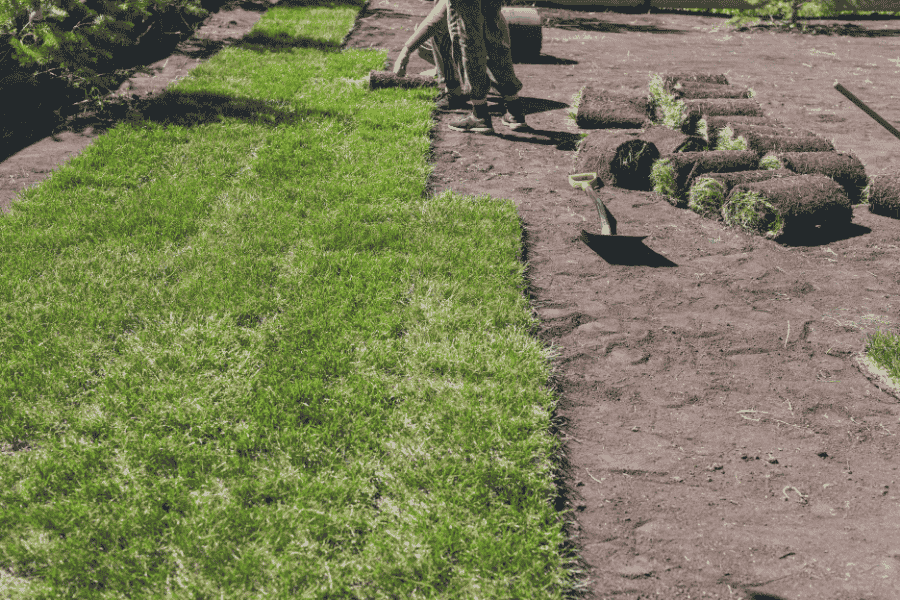
Lay turf immediately after delivery.
Stagger rolls in a brick-like pattern.
Water thoroughly post-installation.
Regular Maintenance
Keep your lawn healthy with routine care:
Mow regularly, keeping blades sharp to avoid tearing grass.
Scarify in autumn to remove thatch.
Overseed thin areas annually.

Conclusion
Yellowing new turf is a fixable problem with the right knowledge and prompt action. By addressing watering habits, soil health, and pests early, you can restore your lawn’s lush appearance. Remember, prevention through proper installation and maintenance is the best strategy for long-term success.