British lawns face unique challenges throughout the year, from persistent moss growth during damp winters to weed invasions in warmer months. Traditional lawn care methods often require multiple products and treatments to address these various issues, creating complexity and expense for homeowners seeking pristine green spaces. Many gardeners struggle with finding effective solutions that work within Britain’s unpredictable climate conditions.
Professional lawn care can be costly, whilst DIY approaches using separate fertilisers, moss killers, and weed treatments require extensive knowledge and timing to achieve successful results. The average British garden centre offers dozens of lawn care products, leaving many homeowners confused about which combinations will deliver the best results. Understanding effective lawn treatment options becomes essential for maintaining healthy grass throughout Britain’s challenging growing seasons.
The Quick Answer
Lawn sand is a traditional British lawn treatment that combines sharp sand, sulphate of ammonia (nitrogen fertiliser), and sulphate of iron in a granular mixture designed to feed grass, kill moss, and improve soil drainage simultaneously, making it particularly effective for Britain’s damp climate conditions.
What is Lawn Sand?
Composition and Ingredients
Lawn sand consists of three primary components carefully blended to address multiple lawn problems simultaneously. Sharp sand forms the bulk of the mixture, providing weight for even distribution and improving soil structure by enhancing drainage in heavy clay soils common throughout Britain. This sand component helps break up compacted soil and creates air pockets that allow grass roots to develop more effectively.
Sulphate of ammonia provides the nitrogen component essential for grass growth and green colour development. This quick-acting fertiliser dissolves readily in moisture, delivering nutrients directly to grass roots whilst creating acidic conditions that favour grass growth over moss development. The nitrogen encourages thick grass growth that naturally crowds out weeds and moss.
Sulphate of iron serves as both a moss killer and iron supplement for grass plants. Iron deficiency commonly affects British lawns, particularly in alkaline soils, causing yellowing and weak growth. The sulphate of iron component addresses this deficiency whilst simultaneously killing moss through its acidic properties and chemical action on moss cellular structure.
How It Works
The multi-action formula addresses several lawn problems through complementary mechanisms. The nitrogen from sulphate of ammonia promotes rapid grass growth and deep green colouring, helping grass compete more effectively against weeds and moss. Healthy, vigorous grass naturally suppresses moss growth by dominating available growing space and nutrients.
Iron sulphate works specifically against moss by disrupting cellular processes and creating conditions unfavourable for moss survival. Within days of application, moss typically blackens and begins dying back, allowing grass to fill vacant spaces. The iron also strengthens grass plants and improves colour retention throughout challenging weather periods.
Sharp sand improves soil structure over time by breaking up clay particles and enhancing drainage. Better drainage reduces waterlogging conditions that encourage moss growth whilst improving root development and overall grass health. This physical improvement provides long-term benefits beyond the immediate chemical effects.
Benefits for British Lawns
Moss Control
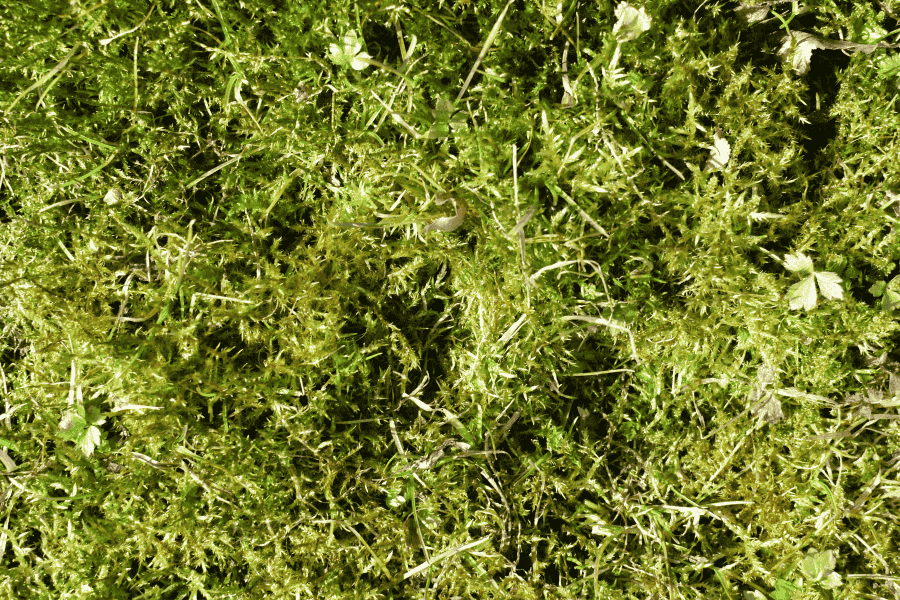
British lawns suffer extensively from moss problems due to damp climate conditions, poor drainage, and acidic soils. Traditional moss control requires separate moss killer applications followed by removal and overseeding, creating a multi-stage process spanning several months. Lawn sand simplifies moss control by killing existing moss whilst simultaneously promoting grass growth to fill cleared areas.
The treatment proves particularly effective against common British moss species, including Rhynchostegium murale and Brachythecium rutabulum, that thrive in poorly drained conditions. Results typically become visible within one to two weeks, with blackened moss easily removed through light raking once fully dead.
Grass Feeding
The balanced nutrition provided by lawn sand supports grass health throughout the growing season. Nitrogen promotes leaf growth and maintains rich green colouring, whilst iron prevents the yellowing common in British lawns during wet periods. This dual nutrition approach ensures grass remains competitive against weeds and moss whilst maintaining attractive appearance.
Quick nutrient availability means grass responds rapidly to treatment, showing improved colour and growth within weeks of application. This fast response helps grass quickly colonise areas cleared of moss, preventing recolonisation and establishing long-term improvements.
Soil Improvement
Heavy clay soils prevalent throughout Britain benefit significantly from sand incorporation. Improved drainage reduces waterlogging problems that weaken grass and encourage moss growth. Better soil structure also improves nutrient availability and root development, creating stronger, more resilient lawn coverage.
The gradual soil improvement continues over multiple seasons as sand works deeper into the soil profile. This long-term structural enhancement provides lasting benefits that reduce future moss problems and improve overall lawn health.

Application Methods
Timing and Conditions
Optimal application timing occurs during active grass growth periods when moisture levels support nutrient uptake but conditions aren’t excessively wet. Early spring applications (March-April) prepare lawns for the growing season, whilst autumn treatments (September-October) help grass recover from summer stress and prepare for winter conditions.
Avoid application during drought conditions when grass cannot effectively utilise nutrients, or during very wet periods when product may wash away before taking effect. Light moisture following application helps activate the treatment, but heavy rain within 24 hours can reduce effectiveness through product washout.
Apply during calm weather conditions to ensure even distribution and prevent drift onto garden plants that might be damaged by iron sulphate. Early morning or late evening applications avoid peak sunlight that could stress treated grass during the initial response period.
Application Techniques
Even distribution proves crucial for uniform results and preventing grass scorching from concentrated product application. Use a lawn spreader for larger areas, calibrating according to manufacturer recommendations to achieve proper coverage rates. Hand application works for smaller areas but requires careful technique to avoid uneven distribution.
Mark treated areas clearly to track coverage and prevent overlap that could damage grass through over-application. Apply in overlapping strips following a consistent pattern to ensure complete coverage without gaps that leave moss untreated.
Water lightly after application if rain isn’t forecast within 24 hours, helping activate the treatment and prevent potential grass scorching from concentrated surface residues. Avoid heavy watering that could wash product away before soil absorption occurs.

Safety Considerations
Health and Safety
Iron sulphate can stain concrete, clothing, and skin, requiring protective measures during application. Wear gloves, long sleeves, and eye protection to prevent direct contact with product granules. Keep children and pets away from treated areas until after the first rainfall or watering to prevent accidental ingestion or contact.
Store lawn sand in dry conditions away from children and animals, ensuring original packaging labels remain legible for reference. The product can be corrosive to metal equipment, so clean spreaders thoroughly after use to prevent damage and ensure longevity.
Environmental Impact
Follow application rates carefully to prevent nutrient runoff that could affect nearby water sources. Excess nitrogen can contribute to algae growth in ponds and watercourses, whilst iron can affect aquatic life if present in high concentrations. Responsible application protects both lawn health and environmental quality.
Avoid application before heavy rain that could wash product into drains or water bodies. The treatment works most effectively when absorbed into soil rather than running off surface areas, making proper timing essential for both results and environmental protection.
Alternatives and Comparisons
Organic Options
Organic moss control alternatives include improving drainage through aeration and top-dressing with organic matter. These approaches work more slowly than chemical treatments but provide sustainable long-term improvements. Organic fertilisers can supplement grass nutrition whilst supporting soil biology.
Natural moss suppression focuses on addressing underlying conditions rather than killing existing moss. This approach requires more time and effort but creates more permanent improvements in lawn health and moss resistance.
Specialist Products
Modern lawn care offers targeted products for specific problems, allowing customised treatment programmes. Separate moss killers, fertilisers, and soil improvers can provide more precise control over lawn conditions but require greater knowledge and multiple applications.
Professional lawn treatments offer expert application and guaranteed results but at significantly higher cost than DIY approaches. Many homeowners find lawn sand provides effective results at reasonable cost with minimal complexity.
Common Problems and Solutions
Uneven application creates patchy results with areas of grass scorching alongside untreated moss patches. Practice with spreader settings and maintain consistent walking pace to achieve uniform coverage. Mark application patterns to ensure complete coverage without overlap.
Poor timing reduces effectiveness and may damage grass during stress periods. Monitor weather forecasts and grass growth patterns to select optimal application windows. Avoid treatments during dormancy periods when grass cannot effectively utilise nutrients.
Conclusion
Lawn sand provides an effective, economical solution for common British lawn problems by combining moss control, grass feeding, and soil improvement in a single treatment. Its traditional formulation has proven successful for generations of British gardeners dealing with challenging climate conditions and heavy soils. Proper application timing and technique ensure safe, effective results that improve lawn health and appearance whilst addressing multiple problems simultaneously.