When dealing with a soggy lawn, many homeowners wonder about the best way to improve drainage. Sand is often considered a potential solution to this issue. Placing sand on your lawn might enhance water drainage, especially if your soil is clay-heavy. The loose, grainy texture of sand can break up compacted soil, allowing water to flow more freely and helping the roots breathe better.
Applying sand isn’t always the silver bullet for all lawns. Using sand might help improve drainage, but it needs to be applied correctly to avoid more problems. If applied too thickly, sand can smother grass and create uneven surfaces. Therefore, those considering this method should ensure that sand is added in thin, even layers.
Another factor is the presence of moss, which can thrive in damp, poorly drained lawns. As moss does not favour sandy soils, using sand might also help reduce its presence. By understanding how and when to use sand, homeowners can make informed decisions about their lawn care.
Understanding Lawn Drainage Issues
Poor drainage can lead to a waterlogged lawn or even flooding, which affects lawn health. Variations in soil type are crucial in determining drainage capability, affecting how quickly water filters through and the effects of waterlogging.
Types of Soil and Drainage Properties
Different soil types influence how well water drains. Clay soil is infamous for its poor drainage, as its fine particles hold water, leading to a waterlogged lawn and potential flooding. In contrast, sandy soils drain water quickly, often too much so, which can make nutrition a challenge.
Loamy soil, which contains a balance of sand, silt, and clay, provides a favourable balance for lawn care, combining good drainage with nutrient retention. Recognising the soil type in your garden is crucial for managing drainage issues.
Identifying Waterlogging and Flooding
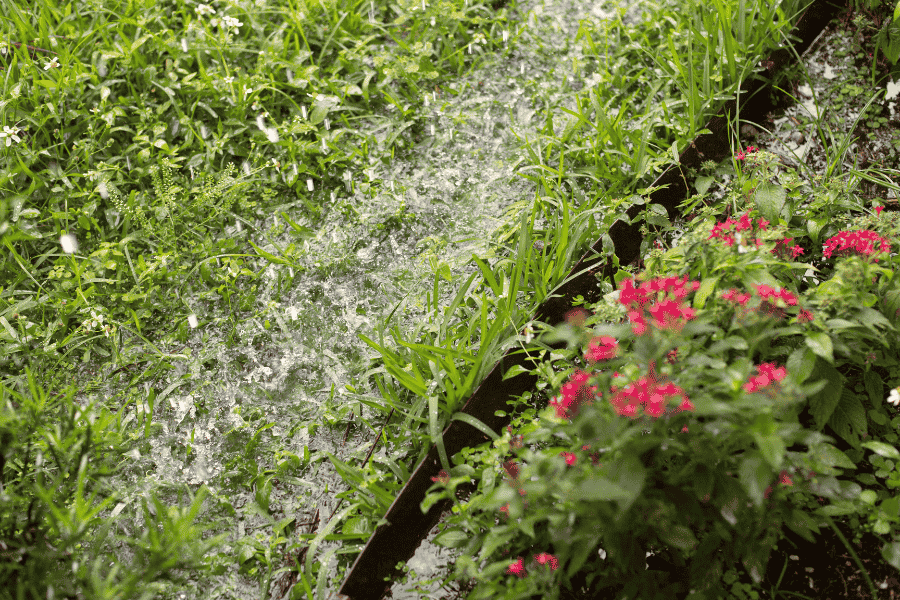
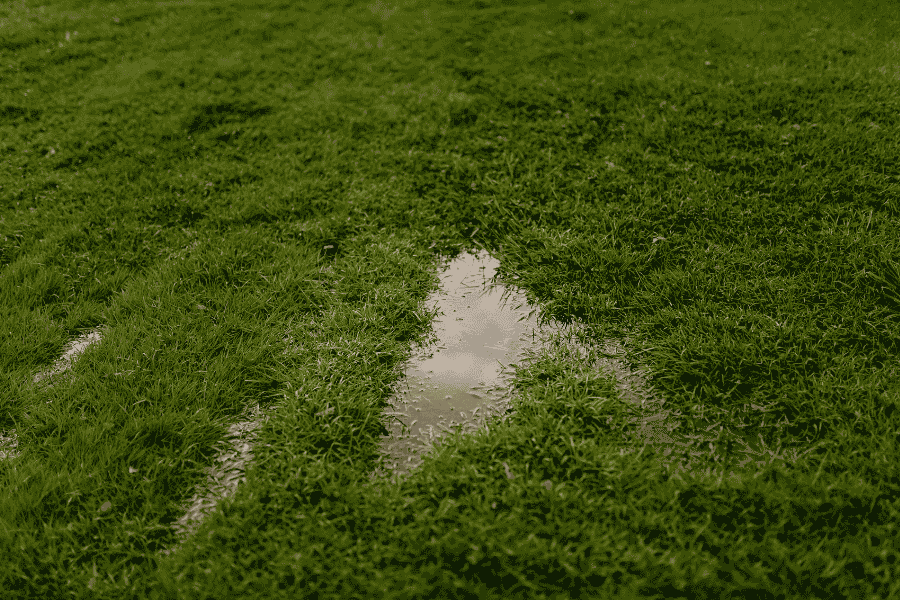
Recognising the signs of waterlogging is key for maintaining a healthy lawn. Puddles that linger after rain, squelchy ground, and moss or algae growth signal potential drainage problems. These issues arise when heavy clay soil or compacted areas do not allow water to escape.
Continued waterlogging can lead to flooding, affecting plant roots by depriving them of oxygen. Regular assessment of your lawn can prevent these problems from escalating, allowing for timely intervention.
Consequences of Poor Drainage
Poor drainage has several negative effects on lawns. It leads to soil erosion, where nutrients wash away, leaving the soil less fertile. Additionally, waterlogged conditions stunt root growth, weakening grass and making it susceptible to pests and diseases.
Lawn aesthetics suffer, too, with bare patches, weed, or moss invasion. Addressing poor drainage helps enhance lawn health, making it more resilient and visually appealing. Proper solutions, such as aerating or adding organic matter, can mitigate these issues effectively.
Improving Lawn Drainage
To deal with soggy lawns, several options are available. These include using aeration techniques to allow the soil to breathe, creating garden features like rain gardens or dry creek beds to manage water flow, and installing French drains or other drainage systems for efficient water removal. Each method is designed to enhance lawn health and prevent waterlogging.
Aeration Techniques
Aerating a lawn involves making small holes in the soil. This helps to improve water and air flow to the roots. Using a garden fork or an aerating tool after heavy rains is advised, as this prevents soil compaction and improves drainage.
Incorporating sand into the top layer of the soil can also help, especially when working with heavier clay soils. A mix of sand and compost added after aeration can boost soil structure by promoting a well-drained environment. Regular aeration, typically a few times a year, keeps the lawn healthy and reduces the chance of it getting soggy.
Creating Rain Gardens and Dry Creek Beds
Rain gardens use water-tolerant plants to absorb excess water. These gardens collect runoff from roofs, driveways, and other hard surfaces before releasing it slowly. Popular plants for such gardens include ferns, astilbes, and lady’s mantle.
Dry creek beds act similarly by guiding water away from sensitive areas. They fit well into natural landscapes, providing beauty and serving the practical function of controlling water flow. Constructing a dry creek bed involves strategically placing rocks, pebbles, and plants to mimic the appearance of a stream. This prevents water from pooling and supports effective drainage.
Installing French Drains and Drainage Systems
French drains are a simple yet effective way to divert water away from a lawn. They consist of a trench filled with gravel and a perforated pipe. When water builds up, it enters the pipe and is channelled away to a safe drainage location.
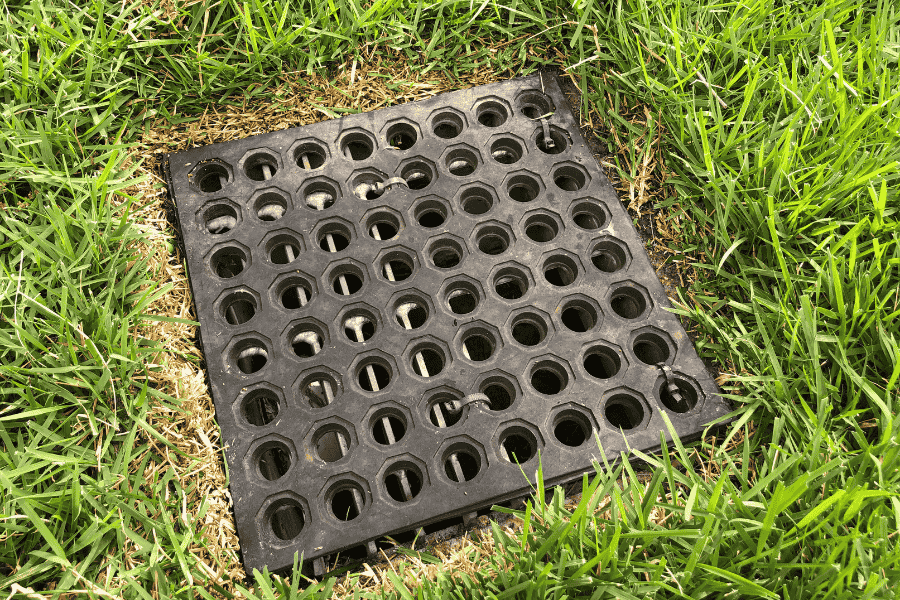
Beyond French drains, using other drainage systems, like surface or subsurface drains, can help manage excess water. Installing these systems requires a bit of expertise, but they offer a long-term solution to waterlogged lawns. Homeowners should evaluate their lawn’s needs carefully before settling on the best system for improving drainage.
Managing Soil and Turf Health
Proper soil and turf care improves lawn health and prevents issues such as waterlogging and patchy grass. The following methods can enhance soil structure and promote better growth.
The Role of Top Dressing
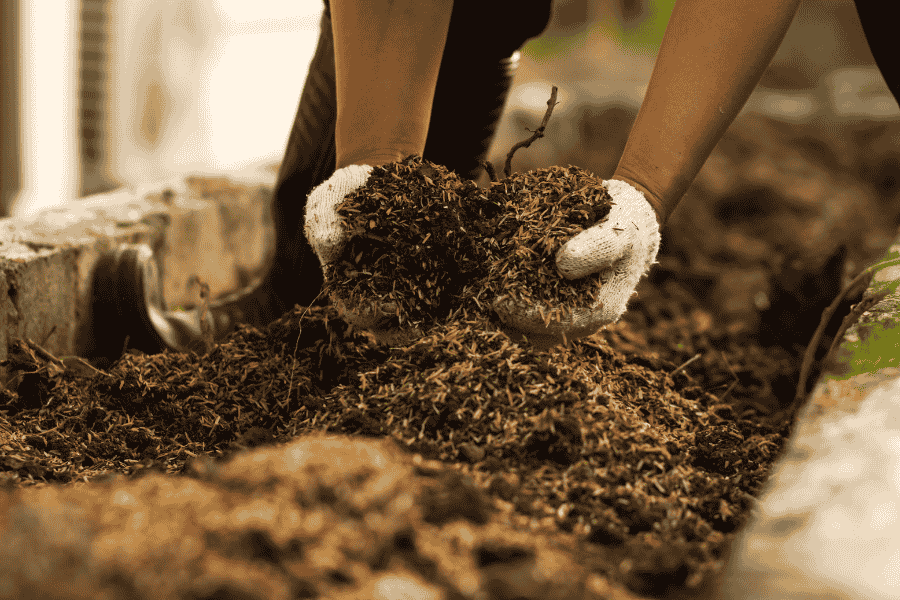
Top dressing involves adding a thin layer of material over the lawn, which can improve soil quality and help in managing thatch. This process facilitates aeration, drainage, and encourages the growth of beneficial microbes. Materials like compost, sand, or peat moss can be used. Sand is particularly useful for levelling out uneven areas and enhancing drainage in compacted soils. Top dressing also helps in smoothing out the surface, reducing the uneven growth of grass and assisting in healthy root development. For best results, it’s applied during the growing season when the grass can quickly grow through the layer.
Using Compost and Sand Mixtures
Combining compost and sand offers a balance between improving soil structure and providing nutrients. Compost adds organic material, which improves water retention and supplies nutrients to the turf. When mixed with sand, it can effectively enhance drainage in clay-heavy soils. This mixture should be evenly spread on the lawn and raked into the grass and soil. It helps in preventing waterlogging by improving the soil’s porosity while providing a sustained release of nutrients. Regular application can improve lawn health by supporting root growth and boosting grass resilience.
Addressing Thatch Build-Up
Thatch, a layer of dead grass and roots, can hinder water penetration and airflow to the roots when too thick. Thatch control is crucial for overall lawn health. Light layers of thatch can protect the lawn, but heavy thatch requires removal. Regular aeration, combined with raking, can reduce thatch accumulation. Using a core aerator helps in pulling out plugs of soil, allowing for better air and nutrient entry. Grass clippings can contribute to thatch if not managed appropriately, so it is advisable to keep them light or mulch them back into the lawn. Proper management of thatch ensures robust turf capable of managing water efficiently.
Lawn Care and Maintenance
Proper lawn care involves regular mowing, watering, fertilising, and addressing specific issues like low areas and exposed tree roots. Each step ensures a lush and healthy lawn, even in challenging conditions like soggy areas.
Regular Mowing and Watering Practices
Regular mowing keeps grass healthy and prevents it from growing too long, which can stress the lawn. Mowing should be done with sharp blades to ensure a clean cut. Grass should not be cut too short to avoid damage, typically leaving it about 2.5 to 3.5 cm tall.
Watering is very important, particularly for soggy lawns. This might sound counterintuitive, but proper watering encourages deep roots, making grass more resilient to wet conditions. Water deeply but less frequently, usually early in the morning to reduce evaporation. This helps grass access the moisture it needs and reduces the chances of fungal diseases that thrive in excess moisture.
Fertilising and Controlling Weeds
Fertilising provides necessary nutrients that promote grass growth and helps it compete against weeds. It’s best to use a balanced fertiliser, high in nitrogen, during the growing season. Applying fertiliser evenly ensures that all grass receives nutrients without overfeeding.
Weed control is another key aspect. Weeds not only compete with grass for nutrients and water but also take away the lawn’s aesthetic value. Regularly removing weeds can be done manually, or for larger areas, applying a selective herbicide is effective. Timing is key; dealing with weeds during early growth stages is most effective.
Levelling Low Areas and Protecting Tree Roots
Low areas in a lawn can lead to water pooling and create soggy spots. These can be levelled by adding a mix of topsoil and horticultural sand. The sand helps improve drainage, reducing water retention in these spots.
Tree roots often become exposed as soil erodes around them. These roots can be covered with a layer of soil or sand to protect them from damage. Such protection also helps in maintaining an even surface, making mowing and walking across the lawn easier.
Each of these elements contributes to a healthier lawn that remains durable against fluctuating weather conditions.