Winter is an ideal time for pruning, as it encourages healthier growth for plants and trees. During these colder months, deciduous species are dormant, making it easier to shape them without damaging new growth. Pruning during winter helps maintain the structure of the plants and prepares them for an abundant bloom in spring.
Choosing the right tools is important for effective winter pruning. Tools like bypass pruners, loppers, and pruning saws can make all the difference. Sharp and clean tools help make precise cuts, reducing the chance of infections. Quality tools not only make the job easier but also protect the plants.
Careful pruning during winter also involves knowing what to cut and what to leave. Over-pruning can harm trees and shrubs, leading to weak growth. Aim to remove dead or diseased branches and maintain the plant’s natural shape. By following these tips, gardeners can look forward to a vibrant and healthy garden when spring arrives.

Understanding the Basics of Winter Pruning
Winter pruning is vital for maintaining garden health and enhancing plant structure. It encourages vigorous growth while helping prevent pests and diseases. To fully appreciate its benefits, it’s important to grasp how pruning affects plants and how winter differs from summer pruning.
The Science of Pruning
Pruning in winter is all about promoting healthy growth and strength in plants. When trees are dormant, cutting back branches removes diseased areas and encourages new, vigorous growth. This process allows for better air circulation and sunlight penetration, which are key for preventing diseases. Correct cuts help plants heal quickly, reducing stress and potential damage.
Making angled cuts just above buds encourages the growth of healthy branches. This technique directs new shoots to grow in the desired direction. Ensuring tools are sharp and clean prevents infection from spreading between plants. A basic pruning toolkit includes bypass pruners, loppers, and pruning saws. Clean tools with sterilising solutions after each use for the best results.
Difference Between Summer and Winter Pruning
Winter and summer pruning serve distinct purposes and are performed at different times for specific benefits. Winter pruning is usually done on deciduous trees during dormancy when leaves have fallen. This timing lets gardeners see the plant’s structure clearly and make precise cuts.
In contrast, summer pruning, often used on fruit trees, focuses on managing tree size and removing excess growth. Because plants are active, it manages energy use instead of directing resources to unwanted growth. While summer pruning helps in shaping and controlling size, winter pruning aims to boost plant strength and vigorous growth come spring. Both are necessary in gardening, complementing each other in keeping a balanced and healthy environment.
Selecting the Right Tools for Pruning
Choosing the right tools for pruning can make a big difference. Good tools mean better precision and healthy plants. It’s important to know what each tool is for and how to keep them in good condition.
Essential Pruning Tools
Different tools suit different tasks in the garden. Secateurs, also known as bypass pruners, are ideal for small branches and stems. They ensure clean cuts which help plants heal better. Loppers are like giant secateurs, perfect for thicker branches due to their longer handles which give extra leverage.
For bigger branches, a pruning saw comes handy. It cuts through thick, woody sections without much effort. Knowing which tool to use ensures efficiency and promotes plant health. Make these tools an integral part of any gardener’s toolkit.
Maintaining Your Tools
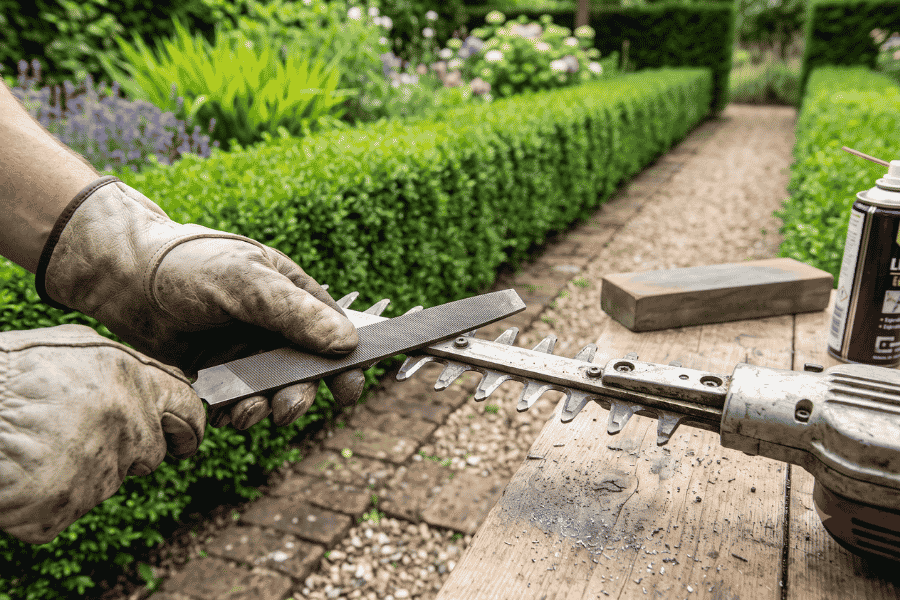
Keeping gardening tools in top shape is necessary. Sharp tools make cleaner cuts, reducing the risk of damage to plants. After each use, it’s wise to wipe tools like secateurs and loppers with a cloth to remove plant sap. Applying a thin coat of oil helps prevent rust.
Storing tools in a dry place is important to avoid moisture damage. Regular sharpening helps maintain their cutting performance, especially after heavy use. Proper care extends the life of a gardener’s tools, ensuring they work effectively season after season.
Step-by-Step Pruning Techniques
Effective winter pruning encourages plant health and boosts growth. Key methods include thinning out overgrowth, removing dead or damaged branches, and shaping plants for optimal development.
Thinning Out Overgrowth
Thinning involves removing some of the plant’s excess growth without altering its natural appearance.
When thinning, select older, crowded branches and trim them to the base. This opens up the canopy, improving light penetration and air circulation, which are important for plant health. Use sharp tools like bypass pruners for clean cuts, which helps prevent disease.
Ensure cuts are made just above a bud, and always use the right tool size to maintain precision and effectiveness.
Removing Dead and Damaged Branches
Removing dead and damaged branches is crucial for a plant’s health. Diseased branches can spread infections, while damaged areas may hinder growth.
Identify dead branches by looking for discoloration or brittle texture. Cut these areas back to the next healthy branch or bud to encourage new growth. Utilise loppers for thicker branches, ensuring clean cuts. Proper removal aids in reducing stress on the plant and promotes healing.
Shaping Plants for Better Growth
When shaping, focus on maintaining the plant’s natural form while promoting healthy, balanced growth.
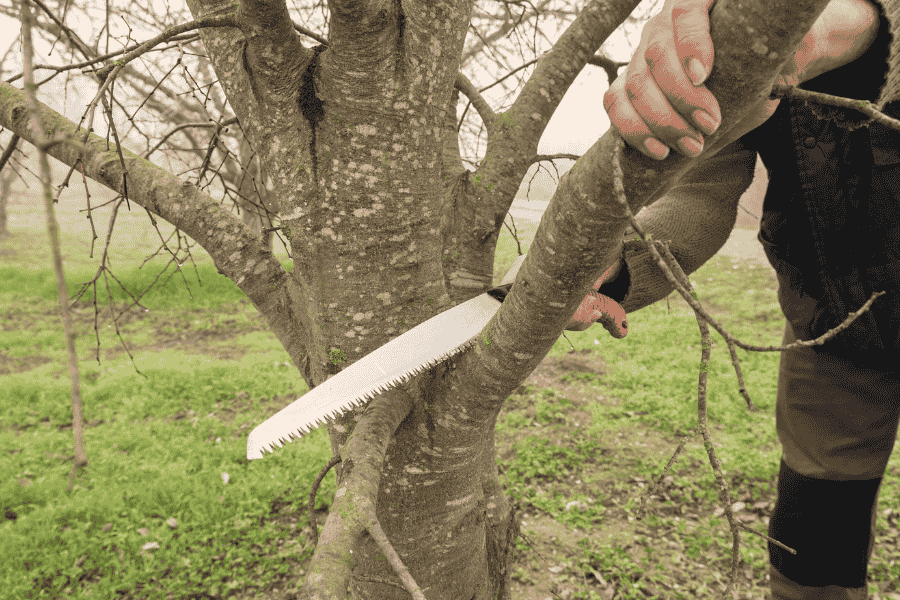
Use a pruning saw for large branches to make smooth, clean cuts. Begin by marking the desired shape, then trim accordingly to maintain symmetry. Always cut at a slight angle just above a healthy bud. This encourages the plant to grow outwards instead of upwards, supporting a fuller shape.
By consistently shaping plants, they become more resistant to harsh weather and establish stronger structural integrity.

Pruning Specific Types of Plants
Winter is a great time to prune various plants, enhancing their structure and ensuring robust growth in the next season. Here, the focus is on fruit trees, deciduous shrubs, and specialised plants like roses and wisteria.
Fruit Trees and Bushes
Pruning fruit trees like apple and pear trees in winter helps manage their shape and invigorates fruit production. Remove dead or crossing branches to improve air circulation and light penetration. It’s vital to cut back to the branch collar for better healing. For fruit bushes such as gooseberries and blackcurrants, winter pruning supports a neat framework. Trim older wood on redcurrants and blackcurrants, focusing on encouraging new shoots. Autumn-fruiting raspberries also benefit from being cut back to ground level, readying them for new growth.
Deciduous Shrubs and Trees
For deciduous shrubs, clear out any deadwood or thin growth to encourage vigour. Elements like buddleias, which are known for their robust structure, thrive when pruned hard. Remove the thinnest branches from trees to maintain their natural shape. Deciduous trees, when pruned, should have crossing and poor-quality branches removed for a stronger framework. Hydrangeas can also be pruned by cutting back to healthy buds to ensure vibrant blooms.
Specialised Plants: Roses, Clematis, and Wisteria
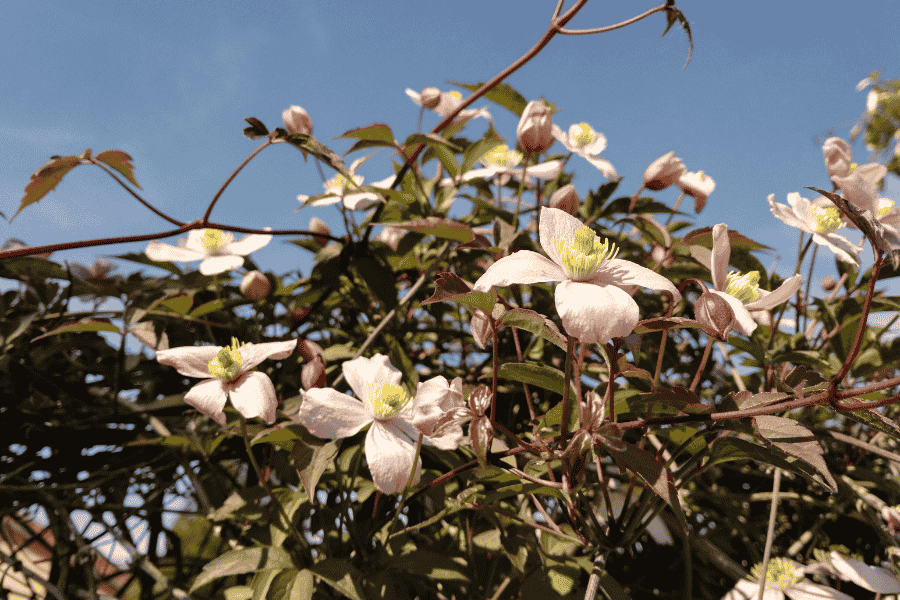
Roses need attention in winter to promote healthy blooms. Cut shrub roses back to a tidy shape and reduce the height of climbing roses to prevent damage from wind. Rambling roses, if left unpruned, can become tangled, so removing old wood is advised. Clematis require careful pruning based on their group — early flowering varieties are treated differently from late ones. For wisteria, it’s best to cut back summer growth to a few buds to prevent aggressive spreading. This method encourages flowering and neat growth on structures like trellises.