Many gardeners face the challenge of growing grass in shaded areas of their gardens. The shade can come from trees, buildings, or even other types of landscaping. People often wonder if grass can truly thrive without direct sunlight. The good news is that with the right grass type and care, grass can indeed grow in the shade.
Shade-tolerant grass varieties, like Fine Fescue and St. Augustine Grass, can adapt well to low light conditions. It’s important to choose these specific types if you are looking to transform a shady corner of your garden into a lush, green space. Of course, they still require a bit of attention and specific care practices to thrive.
Maintaining a healthy lawn in shade also involves adjusting your gardening habits. Raising the height of your lawnmower and not mowing as frequently can help shaded grass grow stronger. Additionally, ensuring proper watering and possibly cutting back lower branches on nearby trees can improve conditions for growth. With these strategies, anyone can enjoy a green and inviting outdoor space, even in areas with limited sunlight.
Understanding Shade in the Garden
Shade plays a significant role in shaping a garden’s environment. Recognising the characteristics of shaded areas and selecting the right grass type is vital for optimal growth.
Characteristics of Shaded Areas
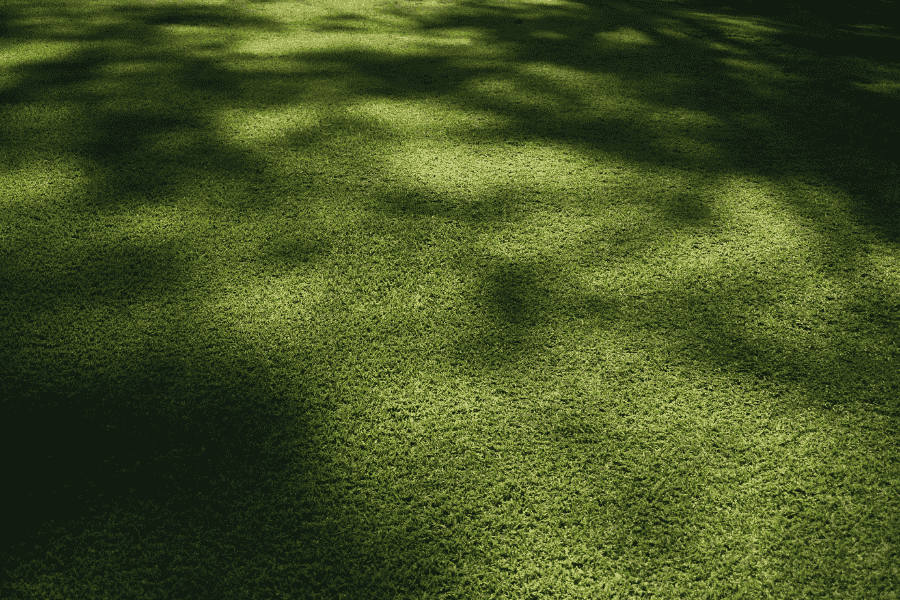
Shaded garden spots vary greatly, often due to buildings, trees or fences. A north-facing garden usually receives less sunlight, casting long shadows throughout the day. Obstacles like walls or thick trees create dense shade, making it hard for grass to thrive.
In areas with damp shade, moisture levels often lead to moss growth, which competes with grass. Locations shaded by deciduous trees often change with the seasons—more light in winter when leaves are absent. Understanding these differences helps in making informed gardening choices.
Types of Grass and Shade Tolerance
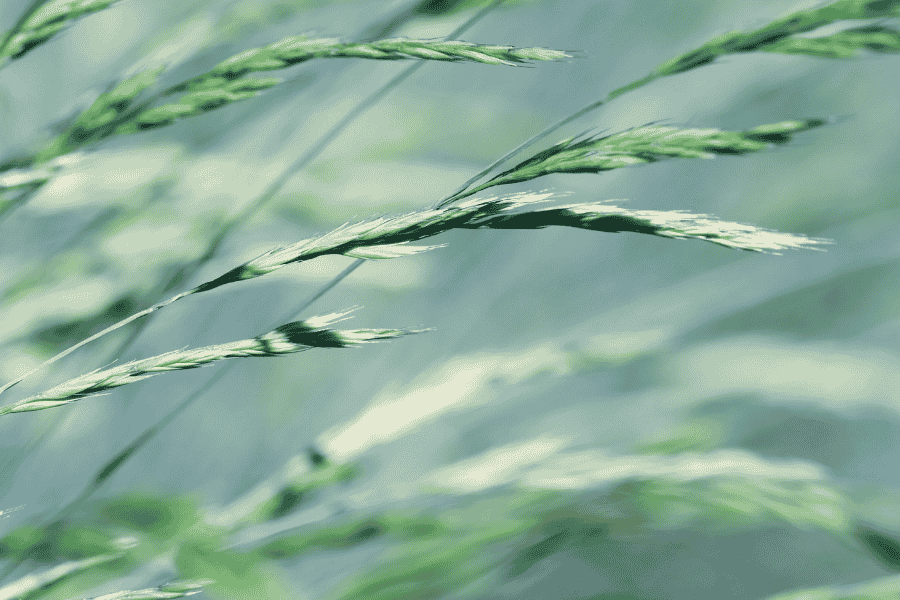
Some grass types adapt better to limited sunlight. Fescue grasses, for instance, are known for their shade tolerance and can cope well with lower nutrient levels and drier soil. They suit gardens where the sun is scarce.
Bent grasses, another option, perform adequately in damp shade areas. The ability to photosynthesize efficiently helps these grasses to maintain their colour in less light. When choosing grass, it’s critical to consider the specific environmental conditions present in the shaded zones of the garden.
Selecting the Right Grass for Shade
Choosing the right grass for shaded areas involves understanding which grass types thrive with less sunlight. Factors such as climate and grass seasonality significantly impact the success of your lawn.
Best Shade-Tolerant Grass Types
Some grass varieties grow well in shaded conditions. Tall fescue and fine fescue are popular choices due to their adaptability. They tolerate lower light and maintain lushness. Perennial ryegrass can also be beneficial but needs some sunlight.
St. Augustine grass and zoysia grass are suitable for warmer regions. They are tough and can manage dappled light. It’s beneficial to look for grass seed mixes designed for both sun and shade to ensure full coverage and resilience.
Considerations for Cool-Season and Warm-Season Grasses
Cool-season grasses like Kentucky bluegrass and fescue types flourish in cooler months. They prefer climates with moderate temperatures and can handle shade better during spring and autumn.
Warm-season grasses, such as St. Augustine and carpetgrass, thrive in hotter climates but are more shade-tolerant in summer. They require more sun to stay healthy during their growing season. Understand your regional climate and the specific needs of these grass types for the best results.
Cultivation and Care for Shady Lawns
Caring for a lawn in shaded areas involves adapting soil, water, and maintenance practices. Key points include improving soil quality with the right fertilisation, setting a tailored watering and mowing schedule, and managing moss and organic matter to keep grass healthy.
Soil Preparation and Fertilisation
For shady lawns, soil quality is important. Compact soil and low nutrient levels can be problems. To improve the soil, aeration is a helpful practice. It allows water and nutrients to reach grass roots effectively. Aeration involves making small holes in the soil to let in air, water, and nutrients.
Choose fertilisers with less nitrogen for shade-tolerant grasses. Too much nitrogen can cause growth issues. For best results, fertilise during spring and late summer. Using organic matter, like compost, can enrich the soil naturally, promoting healthier grass growth. This helps build a fertile foundation for a successful shady lawn.
Watering and Mowing Schedule
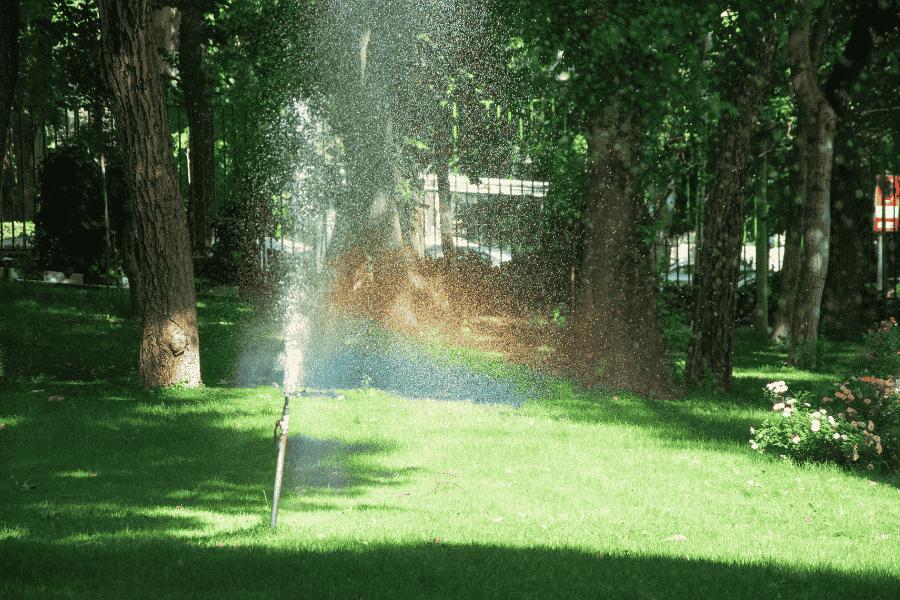
Shady lawns need a different approach in watering and mowing. Watering frequency depends on the amount of natural shade. Less water is needed compared to sunnier lawns, as shady areas retain moisture longer. Water early in the morning to reduce evaporation.
Mowing height should be adjusted too. Keep grass a bit longer, which allows more photosynthesis by increasing leaf area. Aim for a height between 7.5cm to 9cm for optimal growth. Longer grass can help the lawn appear lusher and thicker despite the limited sunlight.
Dealing with Moss and Organic Matter
Moss can be a common issue in shaded areas due to damp and compact conditions. To keep moss in check, ensure good drainage and reduce soil compaction. Scarification, a process that removes moss and thatch, can help. Removing these barriers allows grass to grow stronger.
Manage organic matter by having regular maintenance. Clearing fallen leaves and debris prevents them from smothering the grass and causing additional shade. This keeps the lawn clean and allows the grasses to thrive better under existing low-light conditions. A proactive approach is key to maintaining a vibrant lawn in shaded settings.
Alternative Ground Covers for Shady Gardens
In areas where grass struggles to thrive due to shade, several ground cover options provide a lively and lush alternative. These alternatives not only adjust well to low-light conditions but also add unique textures and colours to a garden.
Shade-Tolerant Ornamental Grasses
Shade-tolerant ornamental grasses are a fantastic choice for adding texture to shaded areas. Japanese forest grass (Hakonechloa macra) stands out with its gracefully arching foliage and is particularly valued for its visual appeal in dark corners. It thrives in partial to full shade and is known for its striking gold-green leaves, which bring a touch of elegance and movement to the garden.
Ornamental grasses like sedge and tufted hairgrass are also excellent choices. They endure shady conditions, require minimal upkeep, and are drought-resistant. These grasses merge resilience with beauty, offering variegated and colourful options that can brighten an otherwise dim garden space. The versatility of ornamental grasses in shaded spots makes them a popular choice for gardeners looking to create a dynamic and inviting environment.
Low-Maintenance Alternatives to Traditional Grass
For those seeking minimal upkeep, other ground covers might be more suitable. Plants like hostas thrive in shade and come in a variety of colours and sizes, often displaying striking leaves that add visual interest. Their lush, broad leaves can fill a shaded area effortlessly, reducing the need for constant maintenance.
Another low-maintenance option is creeping Jenny, which spreads quickly with its cheerful yellow-green foliage. This ground cover works well alongside larger plants and complements the garden without overshadowing other features. Both hostas and creeping Jenny are hardy options that require minimal intervention, making them ideal for busy gardeners who still desire a beautifully covered ground.