Grass can indeed grow in clay soil, though some challenges are involved. Clay soil, known for its dense and compact nature, provides a rich source of minerals that can benefit grass growth. Despite this, clay can make it difficult for grass roots to reach water, air, and nutrients because it holds water easily but drains poorly.
To succeed in growing grass in such soil, one must consider improving it. Amending clay soil with organic matter, such as compost, can enhance its texture and drainage. This step helps transform the heavy soil into a more hospitable environment for grass seeds, allowing them to germinate and establish strong roots.
When choosing grass for clay soil, selecting the right type is key. Certain grasses fare better in these conditions, and opting for these can increase the chances of a lush and healthy lawn. By following the right techniques and making some adjustments, cultivating a vibrant lawn on clay soil becomes far more achievable.

Understanding Clay Soil Characteristics
Clay soil can be a bit tricky when it comes to growing grass. Known for its dense and sticky nature, clay soil comprises fine particles that tend to compact easily. This can result in drainage and root growth issues. Yet, if managed properly, clay soil can also retain nutrients effectively, offering potential benefits for lush lawns.
Composition and Drainage Issues
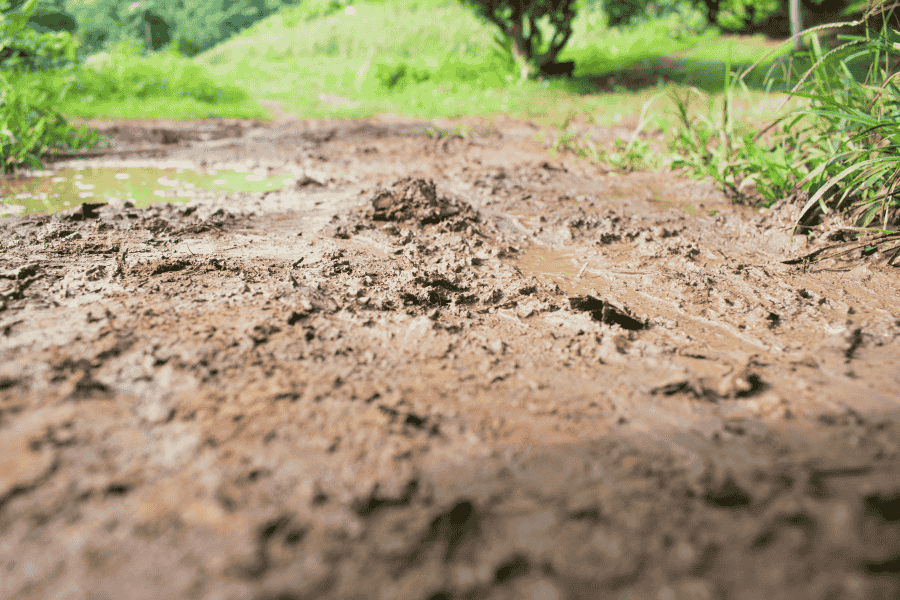
Clay soil is primarily made up of tiny mineral particles, including clay minerals that stick together closely. This compacted nature helps the soil retain water but can also lead to poor drainage. Water may sit on the surface, making the ground soggy during wet conditions and hard and cracked when dry.
Due to this compaction, air circulation is often limited, which can affect plant health. Improving drainage is possible through techniques like adding organic matter. This boosts soil structure, allowing for better water movement and airflow, which are essential for robust grass growth.
Effects on Root Systems
The compacted nature of clay soil challenges root development. With limited space for roots to expand, grass might struggle to establish a strong base. Dense soil restricts the movement of roots, making nutrient absorption more difficult.
Yet, there’s a silver lining. Clay soil holds nutrients well, often providing plants with a rich supply once the root issues are addressed. Implementing soil amendment methods can enhance root health. Aerating the lawn or using deep-rooting plants can create channels that encourage better root growth. This promotes a more vibrant and resilient grassy landscape.
Best Practices for Preparing Clay Soil
To grow grass successfully in clay soil, it’s important to focus on enhancing soil conditions. Two key methods involve improving soil aeration and boosting nutrient content through organic materials.
Tilling and Aerating the Soil
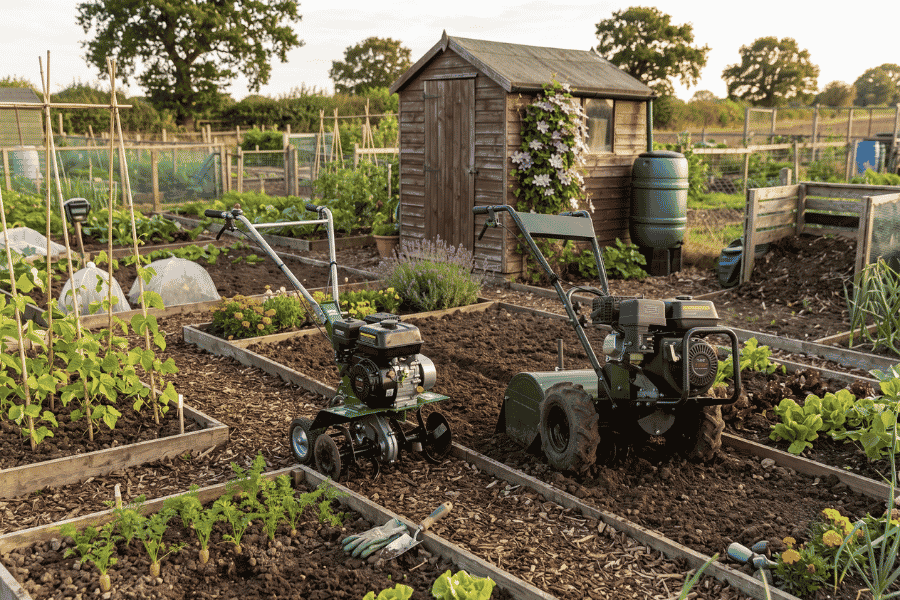
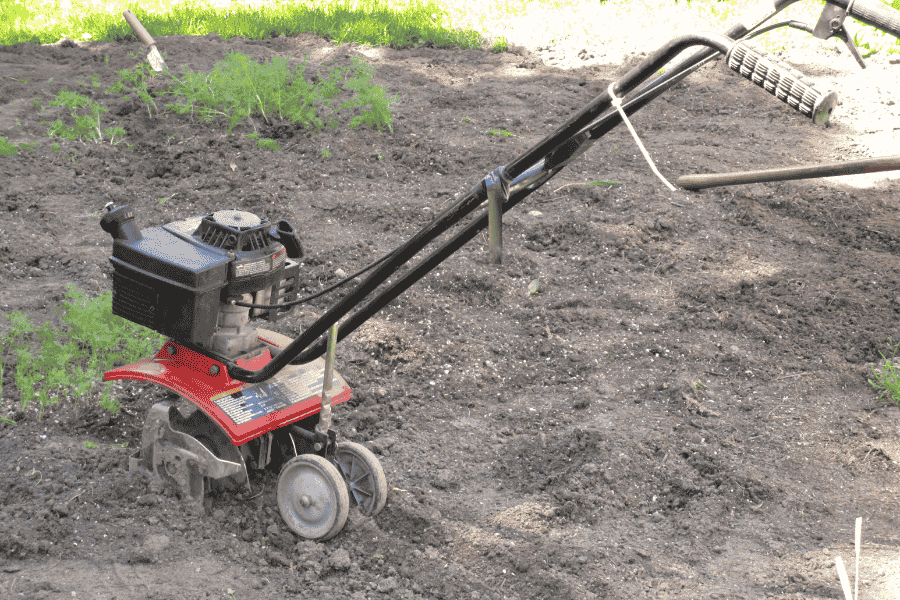
Tilling is an excellent start when dealing with heavy clay soil. A rototiller can help break up compacted soil and improve aeration. This process allows air, water, and nutrients to reach grass roots more efficiently. When tilling, it’s best to avoid disturbing the soil when it’s too wet or dry since extremes can worsen compaction.
Regular aeration, possibly with a garden fork or aerator, further opens up the dense clay. This helps to loosen the soil and enhances root growth, making the ground more manageable for new grass seed. By making small holes at regular intervals, drainage can also be improved.
Adding Organic Matter and Amendments
Incorporating organic matter like compost or well-rotted manure enriches the soil with vital nutrients. Adding such materials can transform the dense composition of clay soil, making it more porous and workable. As an added benefit, these organic materials can improve water drainage and retention balance.
Gypsum is another practical amendment for breaking down clay particles without altering soil pH. Additionally, a light top dressing with sandy loam or bio-stimulant mulch may be useful. These amendments add structure, promoting healthier grass growth by creating a more favourable environment for the roots. Emphasising amendments can make a significant difference in soil quality, supporting robust grass development.
Selecting the Right Type of Grass
Picking the correct type of grass for clay soil can make a big difference in how well your lawn grows. Different grasses have different needs. Choosing between warm-season and cool-season grasses depends on the local climate, while certain varieties can thrive specifically in clay.
Warm-Season vs. Cool-Season Grasses
Warm-season grasses flourish in hotter climates. Bermuda grass, zoysia, and pangola grass are good choices if summers are long and hot. These grasses go dormant in winter, but bounce back in spring.
Cool-season grasses grow best in cooler climates and provide year-round greenery. Tall fescue, perennial ryegrass, and Kentucky bluegrass suit such environments. They stay green through much of the year and handle cool temperatures well.
Grass Varieties Suited for Clay Soil
Clay soil can be tough for some grasses, but others manage well. Tall fescue and fine fescue are very adaptable, making them top picks for dense clay. Both can tolerate the heavy texture and low drainage of clay soils.
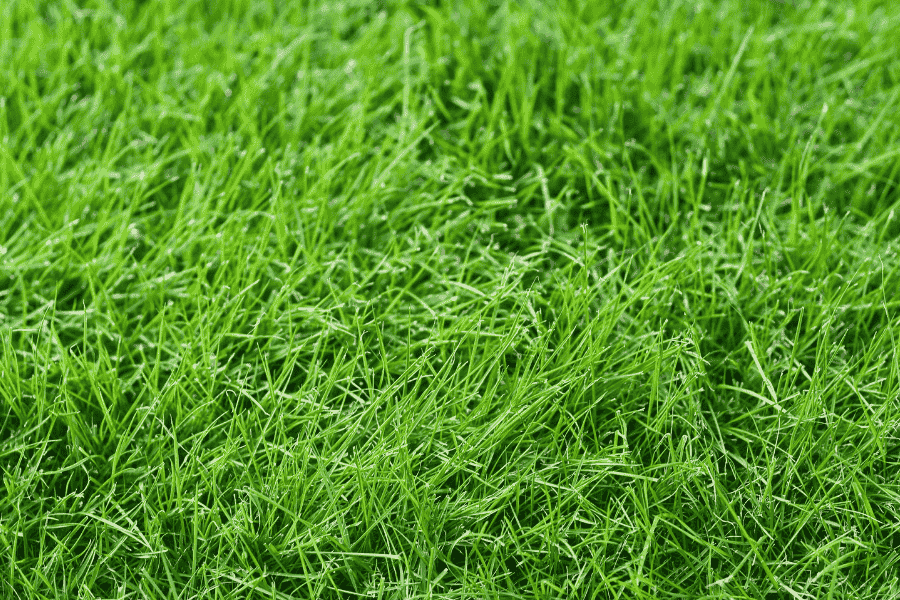
Buffalo grass and zoysia are also solid options. They’re robust, requiring less water and care. These types can withstand clay’s density, providing coverage without constant attention. Mixing multiple types, like Kentucky bluegrass with perennial ryegrass, can boost resilience and improve lawn diversity.
Maintaining a Healthy Lawn on Clay Soil
To keep grass in clay soil looking its best, it is important to focus on strategies for watering, fertilisation, aeration, and overseeding. Each plays a part in ensuring a green and vibrant lawn.
Watering and Fertilisation Strategies
Watering clay soil can be tricky, as it retains water well, one might think minimal watering is fine. Yet, infrequent deep watering is recommended to encourage a deep root system. Checking the soil’s moisture can help optimize the watering schedule. An irrigation system may aid in distributing water evenly to avoid waterlogging.
For fertilisation, conducting a soil test to check the soil pH level can guide in choosing the right fertiliser. Adjusting the pH to an ideal level can help grass uptake nutrients effectively. A balanced fertiliser applied in the growing season supports healthy lawn growth. Using a broadcast spreader can ensure even application.
Aeration and Overseeding
Aerating clay soil, particularly core aeration, helps improve drainage and allows oxygen to reach the roots. Liquid aeration might also be considered for convenience. It is often key to aerate at least once a year, especially during growing conditions that permit recovery.
Following aeration, overseeding can introduce grass varieties better suited to existing conditions, like Tall Fescue or Bermuda. Overseeding keeps the lawn thick, reducing weeds and enhancing appearances. A successful overseeding method involves using a broadcast spreader to evenly disperse seeds, ensuring good soil contact for germination.