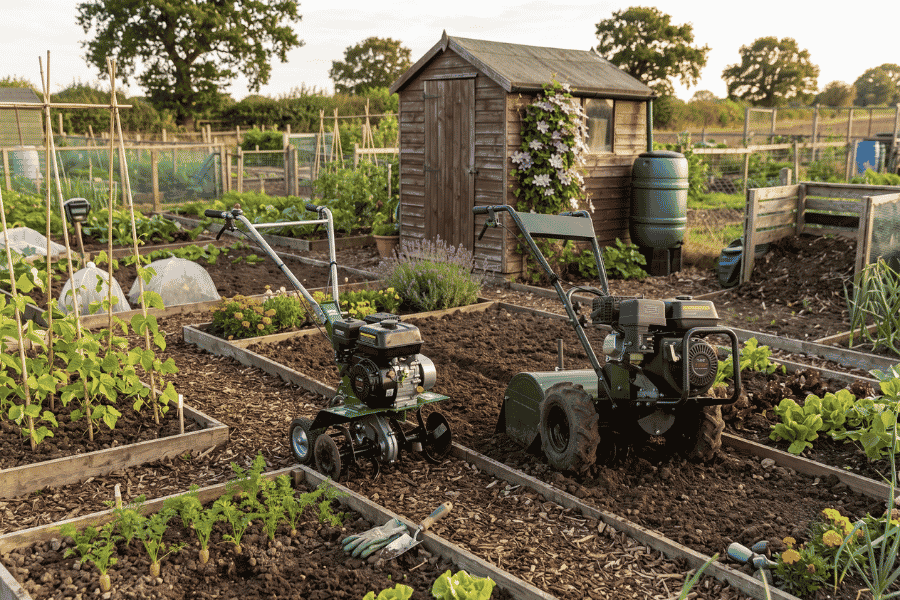
For those in the UK, late winter is a time when gardeners start to feel a stirring of excitement. It’s the bridge between the cold and dormant winter months and the much-anticipated arrival of spring. In the UK, late winter is typically considered to be February. During this time, days start to grow longer, giving hope that the brightness of spring is not too far away.
Late winter is prime time for gardeners to plan and prepare for the upcoming growing season. With the soil still resting, it’s a great opportunity to prune dormant plants and consider the planting strategy for when spring arrives. Seedlings begin to make appearances on windowsills, eagerly awaiting their move to the garden beds.
Despite the lingering chill in the air, there’s an undercurrent of excitement as the season signals the gradual shift toward warmth and growth. The time spent on careful winter preparation will pay off when spring finally arrives, with its explosion of colour and life.

Understanding Late Winter in the UK
Late winter in the UK is a unique time, marked by the transition from the cold of deep winter to the budding warmth of spring. This period commonly refers to February within the meteorological calendar, where winter runs from December to February.
In the astronomical calendar, winter starts at the winter solstice, around 21 December, and ends at the spring equinox, near 20 March. This means late winter covers the end weeks before the equinox.
During late winter, temperatures often hover between 2 and 7 degrees Celsius, but it’s not uncommon for parts of the UK to experience colder spells. Frost and snow might still make appearances, though they generally become less frequent as winter draws to a close.
Under the Gregorian calendar, the structure of months is fixed, making it easier for gardeners to plan the planting of early crops. As daylight slowly extends, it’s a time filled with anticipation.
Gardeners utilise this season to prepare for spring, often starting seedlings indoors. They keep an eye out for milder conditions, which signal safer times for planting outside.
Though nature seems dormant, much is happening beneath the surface. The gradual shift in the Earth’s axis brings changes in sunlight, influencing growth cycles and preparing flora for the energetic burst of spring.

Meteorological and Astronomical Seasons
In the UK, the seasons can be divided based on two systems: meteorological and astronomical. These systems help us understand the timing of early, mid, and late winter, as well as how the transition into early spring occurs. Meteorological definitions are based on the calendar, while astronomical dates are tied to the Earth’s position in its orbit.
Definition and Differences
Meteorological seasons divide the year into four three-month periods. Winter begins on 1 December, marking early winter, and extends through February. This aligns closely with the coldest months, helping meteorologists track weather patterns neatly within these fixed dates.
Astronomical seasons, in contrast, are defined by the Earth’s orbit around the Sun. Winter starts at the winter solstice, around 21 December, reaching mid-winter in January, and ends on the spring equinox, around 20 March. Late winter is therefore the period just before early spring.
Impact on Weather Patterns
Meteorological seasons provide a consistent framework for weather forecasting, which is vital for agriculture and planning. Knowing when late winter will end helps in understanding when early spring might bring milder temperatures.
Astronomical definitions focus on the natural progression of sunlight and temperature changes. The winter solstice marks the shortest day, often considered the peak of cold, with daylight gradually increasing towards early spring. This impacts how weather patterns shift, with late winter typically seeing signs of transformation, such as rising temperatures and longer days. Both systems give a comprehensive view of the seasonal changes the UK experiences.

Phenological Changes During Late Winter
Late winter in the UK can be a fascinating time for plant life. As temperatures begin to climb, many plants start to show signs of life after the cold. The Met Office notes that winter ends around February and March, setting the stage for early spring.
Even before spring officially begins, some plants are already responding to the increasing daylight. Early flowers like snowdrops push through the soil, offering a welcome sight amid the last snowfalls. These changes are part of a larger pattern called phenology, which tracks the timing of biological events.
In late winter, frost can still pose a risk. While temperatures are rising, frosty nights can delay the onset of spring phenology by affecting bud development. That’s why gardeners and farmers must be cautious, ensuring plants are protected during these unpredictable weather patterns.
The proximity to Europe also influences the UK’s late winter climate. Cold air from the east can bring lower temperatures, slowing down plant growth. This is particularly noticeable in the eastern parts, where continental winds are more common.
Warmer winters have shifted the typical timelines for many plants. With winters not as cold as they used to be, late winter phenological changes can now occur earlier than expected. These shifts can lengthen the growing season, signalling the start of spring even before the calendar says so.

Practical Information and Guidance
Late winter in the UK often brings cold weather, sometimes with fog and snow, making it important to prepare accordingly. This involves planning for safe travel, getting ready for spring in the garden, and maintaining good health.
Travel and Safety Tips
Travelling in late winter can be tricky with possible snow, frost, and fog. It is wise to check the weather forecast regularly before heading out. Roads may be icy, so ensuring that the car is ready for winter conditions is smart. Consider the following tips for safe travel:
- Keep an emergency kit in the car with blankets, food, and a torch.
- Use winter tyres and check your vehicle’s fluids.
- Wear layers and proper footwear when walking to avoid slips.
For public transport users, checking service updates can save time on cold days. Buses and trains might face delays due to the weather, so allowing extra time for journeys is beneficial.
Gardening and Farming Preparations
Late winter is a time for gardeners and farmers to get ready for the coming warmth. Planning now ensures that the garden or farm is set when the ground thaws and days grow longer. Pruning some plants and getting rid of dead wood is best done during this time.
Here are some gardening tasks:
- Prepare soil by adding compost and other nutrients.
- Plant seeds for crops like onions and leeks indoors.
- Protect delicate plants from frost with cloches or mulch.
Farmers often use this period to mend fences and ensure equipment is in good working order. These small actions can lead to a productive spring.
Health Considerations
In late winter, cold temperatures and the shortest days can affect well-being. Keeping warm helps prevent illnesses, like colds and flu. It’s vital to heat the home adequately and dress warmly. Drinking hot drinks and eating nutritious meals can also boost energy.
For those at risk, such as the elderly, staying active indoors is important. Simple exercises can help maintain fitness. It’s also a good idea to check on friends or family to ensure they are staying warm and healthy.
Consider talking to a doctor about vaccinations or getting a flu shot if needed. This kind of proactive approach keeps health in check during the chilly late winter period.