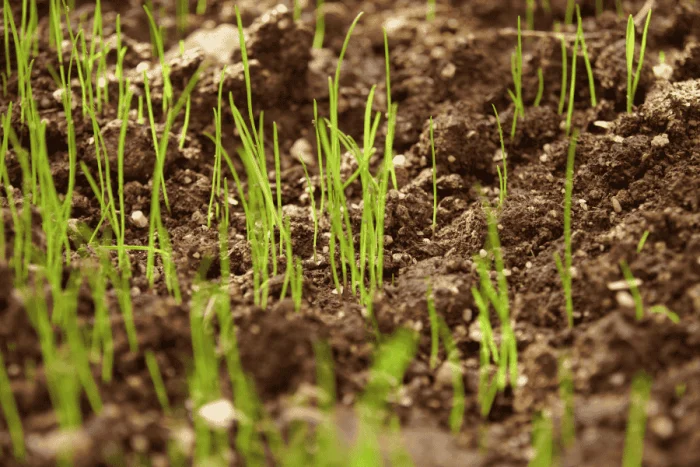
Gardeners across Britain invest considerable time and money establishing new lawns, only to watch their carefully sown grass seed fail to germinate or die shortly after sprouting. Temperature extremes represent one of the most significant threats to successful grass establishment, causing seed mortality that appears mysterious to inexperienced gardeners. Many assume their seed was defective or their technique flawed, when temperature stress was the actual culprit.
The problem affects both spring and autumn seeding efforts, with hot summer conditions proving as devastating as harsh winter freezes. Traditional seeding advice often overlooks the key temperature thresholds that determine success or failure. Understanding how temperature affects grass seed viability and early growth provides the foundation for timing seeding projects correctly and implementing protective measures when conditions become marginal.
The Quick Answer
Grass seed dies when soil temperatures exceed 35°C (95°F) for extended periods or drop below -10°C (14°F), whilst germination stops entirely when soil temperatures fall below 5°C (41°F) or rise above 30°C (86°F), creating critical windows for successful establishment that gardeners must respect.
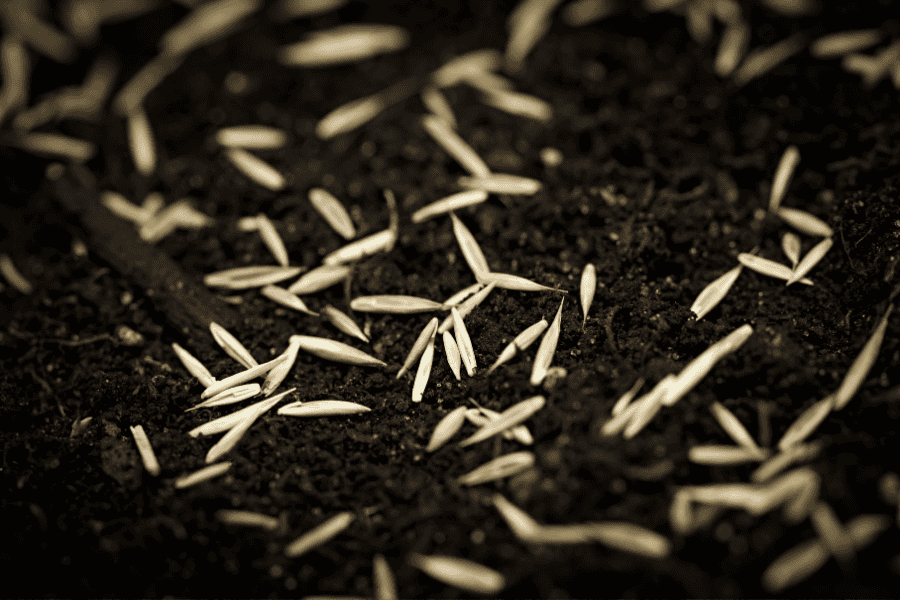
The Science Behind Temperature Damage
Heat Stress and Protein Denaturation
Grass seeds contain delicate proteins and enzymes essential for germination and early growth processes. When soil temperatures exceed 30-35°C (86-95°F), these proteins begin denaturing, similar to cooking an egg. The cellular machinery required for converting stored starches into energy breaks down irreversibly, preventing successful germination even if conditions later improve.
High temperatures also accelerate moisture loss from seeds, causing dehydration that damages cellular structures. Seeds can lose critical moisture content within hours during extreme heat events, particularly when combined with dry soil conditions. This desiccation effect proves especially devastating for seeds that have begun the germination process, as partially activated seeds have higher moisture requirements than dormant ones.
The metabolic processes within seeds speed up dramatically as temperatures rise, causing seeds to exhaust their energy reserves before establishing functional root systems. This metabolic acceleration creates an energy deficit that prevents successful emergence, even when adequate moisture is present.
Cold Damage and Cellular Rupture
Freezing temperatures cause water within seed tissues to form ice crystals that rupture cellular membranes and damage essential structures. When soil temperatures drop below -5°C (23°F) for extended periods, these ice crystals grow large enough to cause permanent damage to seed embryos.
Different grass species show varying cold tolerance levels. Cool-season grasses like fescue and ryegrass can survive brief exposure to temperatures as low as -10°C (14°F), whilst warm-season varieties like Bermuda grass suffer damage at temperatures below 0°C (32°F). The duration of exposure proves as critical as the minimum temperature reached.
Repeated freeze-thaw cycles create particularly damaging conditions, causing cellular structures to expand and contract repeatedly. This mechanical stress weakens seed integrity and reduces germination rates even when seeds survive the initial cold exposure.
Germination Temperature Thresholds
Most grass species have specific temperature ranges that trigger germination processes. Cool-season grasses typically require soil temperatures between 10-18°C (50-65°F) for optimal germination, whilst warm-season varieties need temperatures between 18-27°C (65-80°F). Temperatures outside these ranges effectively halt germination activity.
The soil temperature must remain within the optimal range for consecutive days to maintain germination momentum. Brief temperature spikes or drops can interrupt the process, forcing seeds to restart germination cycles that deplete their limited energy reserves.
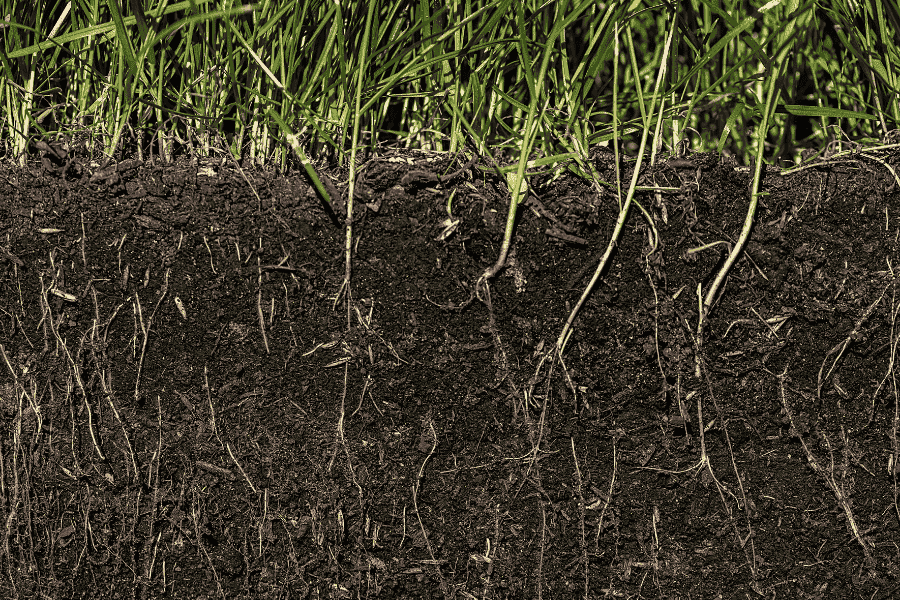
Factors That Influence Temperature Sensitivity
Seed Age and Viability
Fresh grass seed shows greater temperature resilience than older seed with declining viability. Seeds stored for more than two years often have reduced temperature tolerance, making them more susceptible to both heat and cold damage. The protective seed coats deteriorate over time, allowing temperature extremes to penetrate more easily.
Storage conditions significantly affect temperature sensitivity. Seeds stored in fluctuating temperatures or high humidity environments lose their natural protection mechanisms, making them more vulnerable to field temperature stress.
Soil Conditions and Microclimate
Soil colour and composition dramatically affect temperature extremes at seed level. Dark soils absorb more heat, creating temperatures several degrees higher than air temperatures during sunny conditions. Clay soils retain heat longer than sandy soils, extending exposure to damaging temperatures.
Soil moisture content provides natural temperature buffering, with moist soils maintaining more stable temperatures than dry conditions. However, waterlogged soils can create anaerobic conditions that compound temperature stress effects.
Surface debris like mulch or leaf litter can moderate soil temperatures by several degrees, providing crucial protection during temperature extremes. Exposed soil surfaces experience the most dramatic temperature fluctuations.
Seasonal Timing Considerations
Spring seeding faces risks from late frost events that can occur well into May in northern regions. These unexpected cold snaps often catch germinating seeds at their most vulnerable stage, when root systems are just beginning to develop.
Autumn seeding must account for the gradual cooling that limits the growing season available for establishment. Seeds sown too late may germinate but lack sufficient time to develop cold-hardy root systems before winter dormancy.
Summer seeding requires careful attention to heat stress prevention, as even brief periods above critical temperatures can devastate new seedlings during their establishment phase.
Prevention Strategies
Timing and Scheduling
Monitor soil temperatures rather than air temperatures when planning seeding projects. Soil thermometers provide accurate readings at seed depth, typically 2-5cm below the surface. Many weather services now provide soil temperature forecasts that help predict suitable seeding windows.
Avoid seeding when extended temperature extremes are forecast. Weather patterns showing prolonged hot spells or potential frost events should delay seeding projects until more favourable conditions develop.
Plan seeding projects around seasonal temperature patterns. In most British regions, mid-April to early May and mid-August to early September provide the most stable temperature conditions for successful grass establishment.
Protective Measures
Mulching newly seeded areas provides critical temperature moderation whilst retaining soil moisture. Light applications of straw or specialised seeding mulch can reduce soil temperatures by 3-5°C during hot weather whilst providing insulation against cold snaps.
Shade cloth installation offers temporary protection during extreme heat events. Even 30% shade cloth can significantly reduce soil temperatures in small seeded areas during heat waves.
Irrigation scheduling becomes crucial during temperature extremes. Light, frequent watering can moderate soil temperatures through evaporative cooling whilst preventing the moisture stress that compounds temperature damage.
Seed Selection and Treatment
Choose grass varieties bred for local climate conditions and temperature resilience. Modern cultivars often show improved tolerance to temperature stress compared to older varieties.
Consider seed treatments that enhance temperature tolerance. Some commercial seed treatments include protective coatings that help buffer temperature extremes during the critical germination period.
Recovery and Remediation Methods
Immediate Assessment
Test seed viability after suspected temperature damage using simple germination tests. Place samples of potentially damaged seed between moist paper towels to assess germination rates before deciding whether to reseed entirely.
Soil temperature monitoring helps determine when conditions become suitable for reseeding attempts. Wait for soil temperatures to stabilise within optimal ranges before applying replacement seed.
Soil Preparation for Reseeding
Improve soil conditions to provide better temperature buffering for replacement seeding efforts. Adding organic matter helps moderate soil temperatures whilst improving moisture retention.
Consider raised bed construction in areas prone to temperature extremes. Slightly elevated soil areas drain better and warm more quickly in spring whilst providing better root zone conditions.
Amended Seeding Techniques
Increase seeding rates in areas that have experienced temperature damage, as establishment rates may be lower than normal. Damaged soil conditions often require higher seed densities to achieve acceptable coverage.
Use starter fertilisers specifically formulated for temperature-stressed conditions. These products often contain root stimulants and stress-reduction compounds that help seedlings establish in marginal conditions.
Long-Term Management Strategies
Microclimate Improvement
Plant strategic windbreaks or shade trees to moderate temperature extremes in seeded areas. These improvements provide long-term benefits for both initial establishment and ongoing lawn health.
Install automated irrigation systems that can respond quickly to temperature stress events. Modern systems with soil temperature sensors can activate protective watering cycles automatically.
Alternative Establishment Methods
Consider hydroseeding for difficult areas prone to temperature extremes. This method provides immediate mulch coverage and moisture retention that helps buffer temperature stress.
Explore sod installation in areas where temperature extremes consistently prevent successful seeding. While more expensive initially, sod eliminates the temperature-sensitive establishment period entirely.
Seasonal Temperature Management
Spring Considerations
Monitor late frost warnings carefully during spring seeding projects. Even light frosts can damage germinating seeds, particularly when soil moisture levels are high and ice crystal formation is promoted.
Delay seeding in low-lying areas prone to frost pockets. These areas often experience temperatures several degrees colder than surrounding regions during clear, calm nights.
Summer Precautions
Avoid midday seeding during hot weather, when soil surface temperatures peak. Early morning or evening seeding reduces immediate temperature stress on newly applied seed.
Maintain consistent soil moisture during hot weather to provide evaporative cooling and prevent the compounding effects of heat and drought stress.
Autumn Planning
Calculate growing degree days available before winter dormancy when planning autumn seeding. Seeds need adequate time to establish winter-hardy root systems before temperatures drop consistently below growth thresholds.
Consider species selection carefully for late-season seeding, as some varieties establish more quickly than others and show better winter survival rates.

Conclusion
Temperature extremes kill grass seed through protein denaturation, cellular damage, and disrupted metabolic processes that prevent successful germination and establishment. Understanding critical temperature thresholds enables gardeners to time seeding projects correctly and implement protective measures during marginal conditions.
Success requires combining accurate temperature monitoring, appropriate timing, protective techniques, and sometimes alternative establishment methods to achieve reliable grass establishment despite Britain’s variable climate conditions.