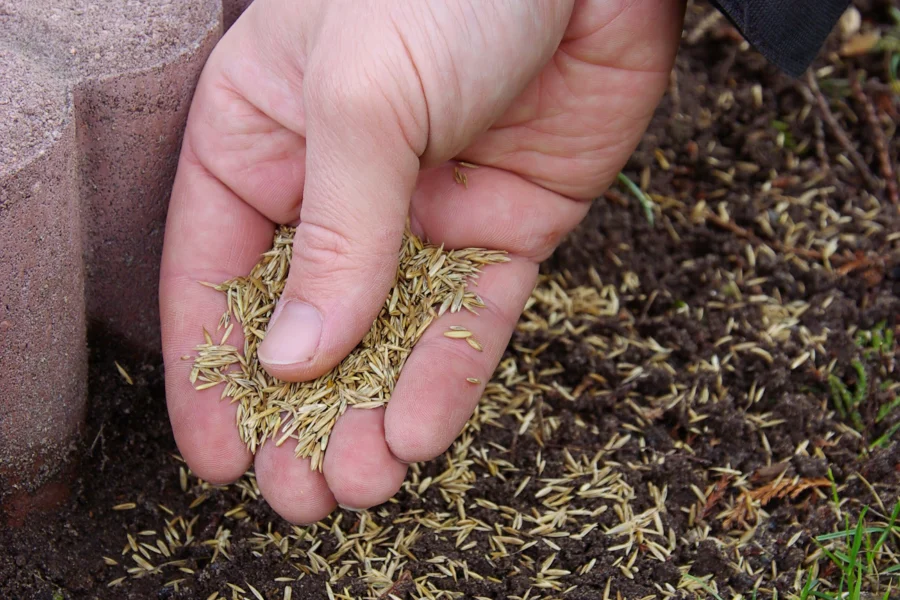
For British gardeners, a lush lawn is a point of pride – a vibrant tapestry of green that requires patience, care, and timely preparation. Central to this effort is the humble grass seed, often purchased in bulk during seasonal sales or stored from previous projects. Yet, as years pass, those forgotten bags tucked into sheds or garages beg the question: does grass seed expire? The answer isn’t a simple yes or no, but rather a nuanced exploration of biology, storage science, and the UK’s unique climate challenges.
Grass seed, like all living organisms, has a shelf life. While it doesn’t “spoil” in the traditional sense, its viability – the ability to germinate and thrive – diminishes over time. Factors such as moisture, temperature, and storage conditions play critical roles in determining whether those dormant seeds will awaken when sown. In the UK, where damp winters and unpredictable summers test even the hardiest plants, improper storage can accelerate the decline of once-viable seeds, turning them into costly, ineffective clutter.
This article delves into the science of seed longevity, offering practical advice tailored to British gardeners. From simple at-home germination tests to optimal storage techniques, we’ll explore how to maximise your seed’s potential, avoid common pitfalls, and adopt sustainable practices that benefit both your lawn and the environment.
Understanding Grass Seed Longevity
Grass seed survival hinges on its biological resilience and external conditions. While seeds are engineered by nature to endure periods of dormancy, their lifespan varies widely based on species, storage methods, and environmental exposure.
What Determines Seed Viability?
Seeds remain dormant until triggered by moisture, warmth, and light. Over time, however, internal energy reserves deplete, and exposure to humidity or temperature fluctuations hastens deterioration. A 2024 Royal Horticultural Society (RHS) study revealed that poorly stored seeds lose 20–30% of their viability annually, whereas those kept in ideal conditions can remain productive for up to five years. Three primary factors govern longevity: moisture levels above 12% risk mold growth, temperatures exceeding 10°C (50°F) accelerate decay, and exposure to oxygen degrades protective seed coatings.
Average Shelf Life by Grass Type
Not all grasses age equally. Cool-season varieties, such as perennial ryegrass and tall fescue staples in UK lawns, typically retain viability for 2-4 years under proper storage. Warm-season grasses like Bermuda decline faster, while delicate species such as Kentucky bluegrass may lose potency within 1–2 years.
Testing Your Seed’s Viability
Before committing old seeds to soil, simple tests can assess their potential.
The Paper Towel Method
Place 10 seeds on a damp paper towel, seal them in a plastic bag, and store at 20-25°C (68-77°F). Check for sprouts after 7-10 days. Germination rates below 50% indicate it’s time to refresh your stock.
Trusting Expiry Dates
Commercial seed packets often list a “use by” date, usually 1–3 years post-harvest. These dates assume ideal storage, so if your seeds endured garage humidity or temperature swings, conduct a germination test regardless of the label.
Optimal Storage Practices
Prolonging seed life requires replicating natural dormancy conditions: cool, dry, and dark environments.
Ideal Storage Conditions
Store seeds in airtight containers or vacuum-sealed bags to block moisture. A refrigerator (4°C/39°F) or cool cellar works best, avoiding sheds prone to frost or summer heat. Adding silica gel packets absorbs residual dampness.
Common Mistakes
Leaving bags unsealed invites pests and humidity, while storage near heaters or windows causes damaging temperature swings. Mixing old and new seeds complicates tracking viability.

Consequences of Using Expired Seeds
Sowing expired seeds risks more than wasted effort- it can harm your lawn’s health.
Poor Germination and Weed Invasion
A 2023 University of Edinburgh study found 3-year-old ryegrass germinated at 40%, versus 90% for fresh seeds. Sparse growth creates openings for weeds like dandelions, undermining lawn density.
Disease Susceptibility
Old seeds are prone to fungal infections like Pythium blight, which targets weak seedlings. Degraded seed coatings also fail to shield against soil-borne pathogens.
Sustainable Seed Management
Eco-conscious practices minimise waste and enhance lawn resilience.
Eco-Friendly Disposal
Compost non-viable seeds (avoid weed-contaminated batches) or offer them as bird feed. Local gardening groups often host seed swaps, redistributing unused stock.
Future-Proof Planting
Choose hardy varieties like fescue blends, which thrive in the UK’s climate. The RHS recommends ‘Silverstone’ ryegrass for its disease resistance and adaptability.
Conclusion
Grass seed viability fades gradually, shaped by time and storage rigor. By testing old stock, optimising storage, and embracing sustainable habits, gardeners can sidestep patchy results and resource waste. In 2025, as climate shifts intensify, proactive seed management becomes essential-store seeds like precious tea, cool and dry, and always verify their potential before sowing.
A thriving lawn begins not just with planting, but with mindful stewardship. As seasons shift, let science and tradition guide your garden to resilience.