A pristine lawn is the pride of all British gardeners, but lurking beneath the surface, a hidden issue can sabotage even the most meticulous care: thatch. This tangled layer of dead grass, roots, and organic debris forms between the soil and green blades, stifling growth and inviting pests. While a thin thatch layer (under 1 cm) can insulate soil, excessive buildup starves grass of air, water, and nutrients.
In the UK’s damp climate, thatch thrives, particularly in lawns with heavy foot traffic or improper maintenance.
This article explores the science behind thatch formation, debunks common myths, and offers actionable strategies to prevent or remediate this silent lawn killer.
Understanding Thatch: More Than Just Dead Grass
Thatch isn’t merely grass clippings, it’s a complex matrix of lignin-rich organic matter that resists decomposition. It accumulates when organic matter production outpaces breakdown. Grass stems, roots, and rhizomes containing lignin break down slowly, especially in cool, wet soils. A 2025 Royal Horticultural Society study found UK lawns average twice the thatch buildup of Mediterranean regions due to higher rainfall and slower microbial activity.
Certain grass species contribute more to thatch. Kentucky bluegrass spreads via rhizomes, creating dense organic layers, while perennial ryegrass becomes thatch-prone in high-nitrogen soils. Bentgrass, common in golf courses, also requires frequent dethatching. Warm-season grasses like dwarf tall fescue, popular in newer UK blends, produce less thatch.
Primary Causes of Thatch Buildup
Multiple factors interact to create thatch-friendly conditions. Over-fertilisation with high-nitrogen products boosts rapid top growth but reduces root development, creating a surplus of organic matter. Synthetic fertilisers also suppress soil microbes responsible for decomposition.
Soil compaction worsens the issue. Compacted clay-heavy soils, prevalent in parts of England and Wales, limit microbial activity and oxygen, slowing breakdown. Similarly, frequent light watering keeps roots near the surface, increasing organic debris in the thatch zone.
Identifying Thatch: Signs and Testing Methods
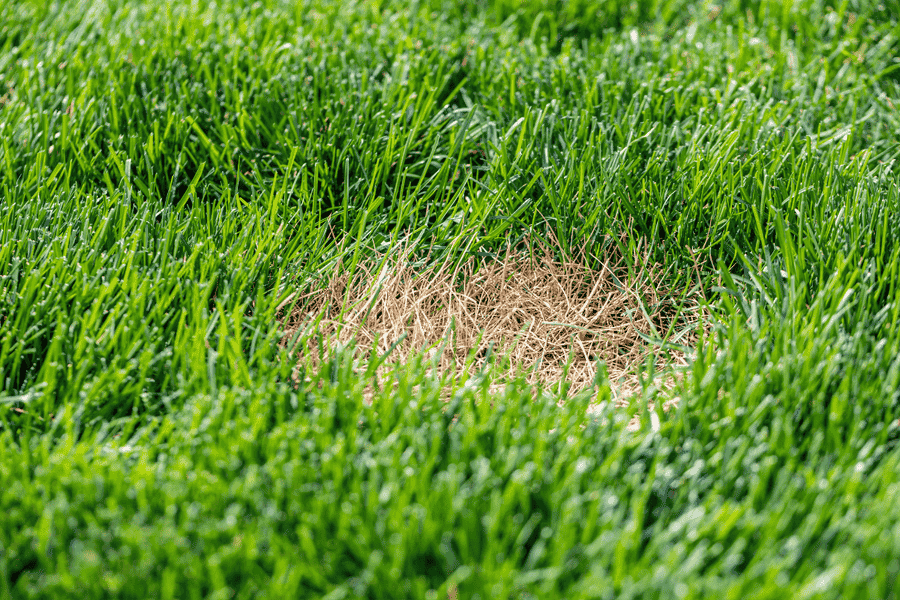
Early detection prevents long-term damage. A spongy texture underfoot, dry patches despite rain, and poor drainage are key visual clues. Thatch repels water, causing irregular brown spots and lingering puddles.
To test for thatch, push a screwdriver into the soil. Resistance 2–3 cm down indicates buildup. For confirmation, extract a soil wedge with a garden trowel. A thatch layer exceeding 1.5 cm warrants action.
Preventing Thatch: Proactive Lawn Care
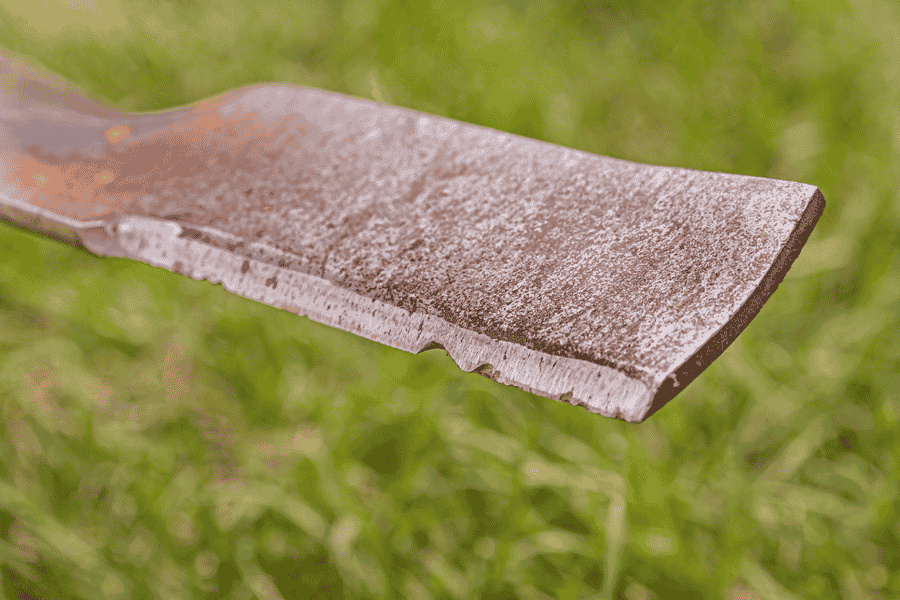
Preventing thatch starts with mindful mowing. Sharp mower blades create clean cuts, reducing shredded debris that contributes to matting. Adhering to the “one-third rule”—never removing more than a third of grass height—minimises stress and excess clippings.
Balancing soil pH and microbial health is equally vital. Thatch decomposes fastest in slightly acidic soil (pH 6.0–6.5). Annual soil testing and amendments like lime or sulfur help maintain balance. Topdressing with compost or using bioactive lawn treatments introduces microbes that accelerate breakdown.
Myths vs. Facts About Thatch
Misinformation abounds. A common myth claims grass clippings cause thatch, but short clippings decompose within weeks. Thatch primarily stems from roots, stems, and rhizomes.
Another misconception labels all thatch as harmful. In reality, a 0.5–1 cm layer insulates soil and protects roots from temperature swings. Only excessive buildup chokes lawns.
Removing Existing Thatch: Techniques and Timing
Once thatch exceeds 2 cm, removal becomes essential. For small lawns, manual dethatching with a sharp thatch rake or vertical mower (scarifier) slices through debris. Larger areas may require electric or gas-powered dethatchers, though these tools can stress grass if overused.
Timing matters. Early autumn or late spring, when grass is actively growing, allows quick recovery. Avoid dethatching during drought or extreme heat, as weakened grass struggles to rebound.
Conclusion
Thatch is a natural byproduct of lawn growth, but left unchecked, it chokes the life from your grass. By understanding its causes, from over-fertilisation to compacted soil—you can adopt preventative measures tailored to the UK’s climate. Regular aeration, mindful watering, and microbial support are key to maintaining balance.
For gardeners facing severe buildup, timely dethatching restores health without harming the lawn. Remember: a thriving ecosystem beneath the surface is just as vital as the green blades above. With these strategies, your lawn will remain resilient, breathing freely and flourishing season after season.
In 2025, sustainable lawn care isn’t a luxury, it’s a responsibility. By working with nature, not against it, you’ll cultivate a garden that’s both beautiful and ecologically sound.