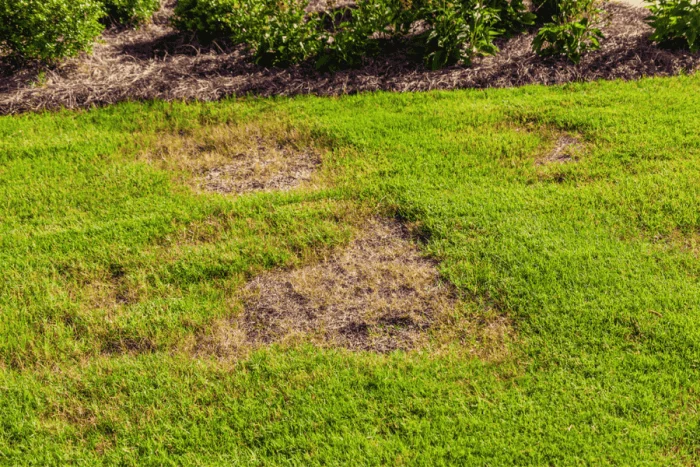
Maintaining a lush, even lawn in the UK’s variable climate can feel like a battle against nature. Bare patches, whether from foot traffic, pests, or weather extremes, mar the perfect green canvas many gardeners strive for.
While reseeding and commercial fertilisers are common fixes, a simpler, eco-friendly solution lies in your grass clippings. But does this free resource truly aid recovery, or could it harm your lawn? This article explores the science, benefits, and pitfalls of using clippings to revive bare spots, offering actionable advice tailored to British gardens.
The Science Behind Grass Clippings
Understanding how clippings interact with soil and grass biology is key to using them effectively.
Nutrient Recycling 101
Fresh grass clippings are roughly 85% water and 15% organic material, including nitrogen, potassium, and phosphorus – essential nutrients for growth. As they decompose, these elements return to the soil, acting as a natural fertiliser. According to a 2024 University of Lincoln study, clippings can provide up to 25% of a lawn’s annual nitrogen needs, reducing reliance on synthetic products.
However, decomposition requires microbial activity, which thrives in warm, moist conditions. In the UK’s cooler climate, this process slows, meaning nutrient release isn’t instantaneous. Patience and proper application are indeed, very important.
Moisture Retention and Soil Structure
A thin layer of clippings acts as mulch, shielding soil from sun and wind. This helps retain moisture, a boon during dry spells, and moderates soil temperature. Over time, decomposed clippings improve soil structure by increasing organic matter, enhancing drainage in clay soils and water retention in sandy ones.
Benefits of Using Clippings on Bare Spots
When applied correctly, clippings offer multiple advantages for lawn repair.
Cost-Effective Lawn Repair
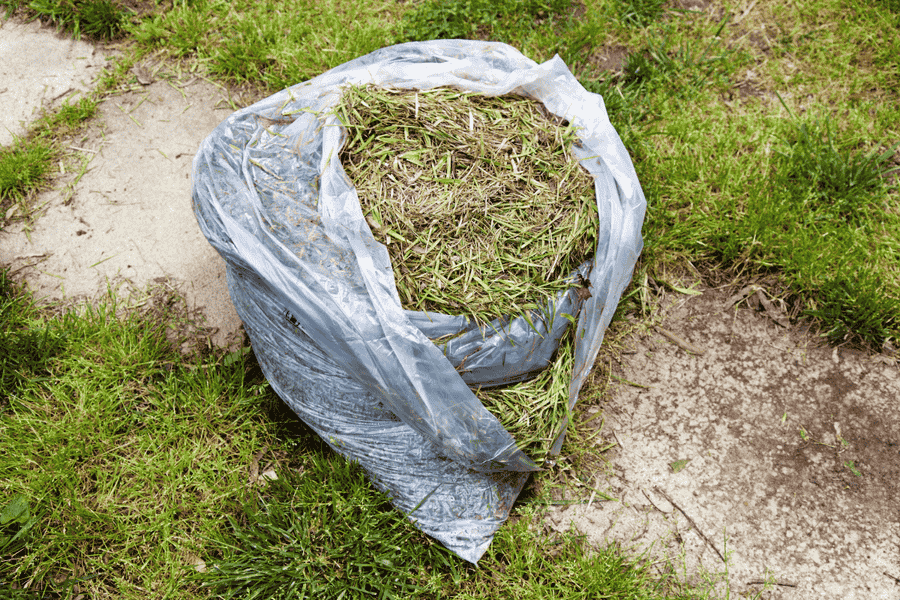
Grass clippings are free and abundant, especially during peak growing seasons. Unlike store -bought mulch or fertiliser, they require no transportation or packaging, aligning with 2025 sustainability trends.
Weed Suppression
A 1–2 cm layer of clippings can block sunlight from weed seeds, reducing competition for emerging grass. Trials by the Royal Horticultural Society (RHS) show a 30% decrease in weed growth in clippings-treated areas compared to bare soil.
Potential Challenges and Solutions
Misusing clippings can backfire. Here’s how to avoid common pitfalls.
Thatch Buildup Myths
Contrary to popular belief, clippings don’t contribute significantly to thatch – a dense layer of dead organic matter. Thatch primarily stems from rhizomes and stems, not leaves. However, applying clippings too thickly (over 5 cm) can create a slimy, oxygen-blocking barrier. To prevent this, spread clippings thinly and evenly.
Weed Seed Contamination
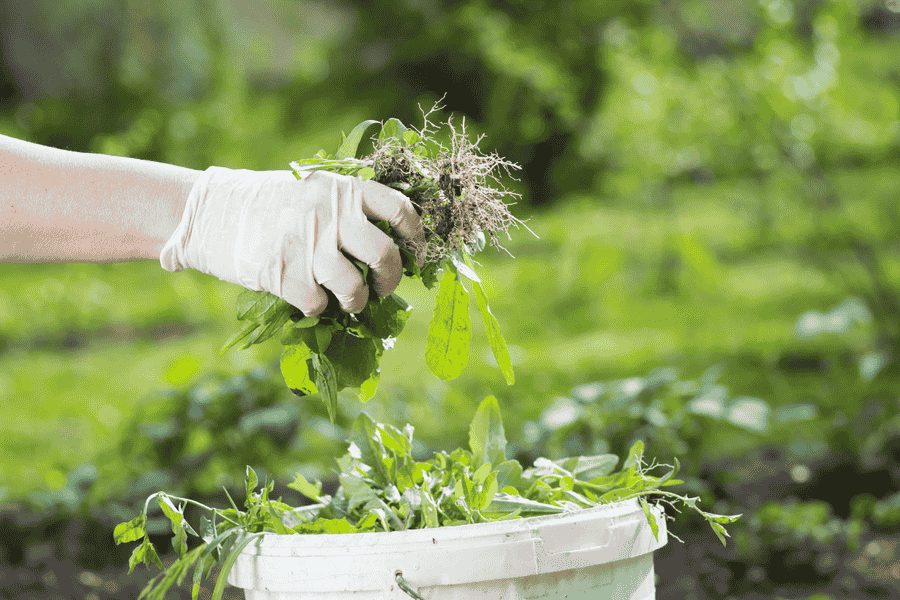
If your lawn has flowering weeds like dandelions, clippings may contain seeds. Always remove weeds before mowing, or compost clippings at high temperatures (50–60°C) to kill seeds before applying them.
Best Practices for Applying Clippings
Maximise benefits with these expert-recommended techniques.
Prep the Bare Spot
Loosen the Soil: Scratch the surface with a rake to create seed-to-soil contact.
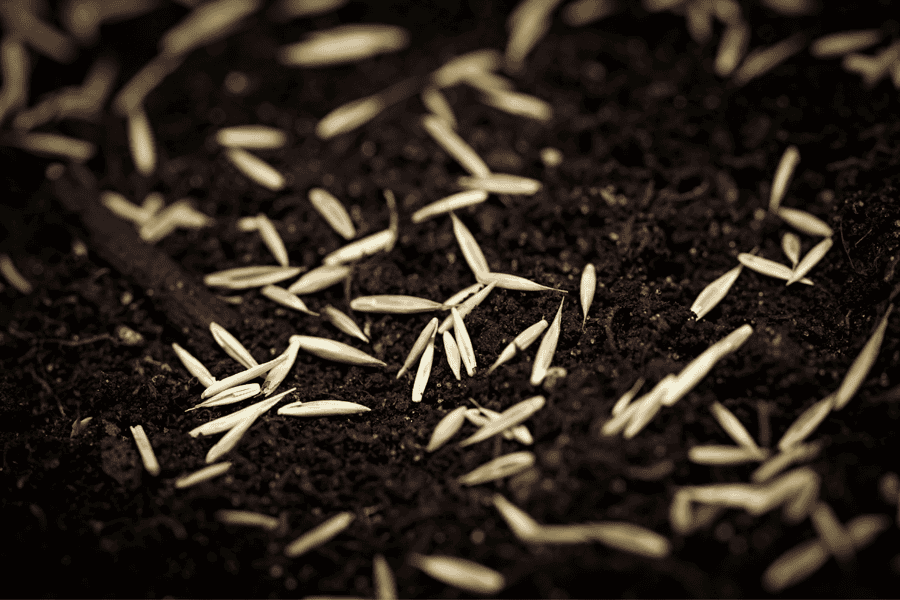
Add Seed: Choose a grass blend matching your existing lawn. For UK gardens, perennial ryegrass or fescue mixes offer durability.
Apply Clippings Sparingly: Spread a 0.5–1 cm layer over seeded areas. Thicker layers risk smothering new growth.
Dry vs. Fresh Clippings
Fresh clippings decompose faster but can mat if applied too thickly. For delicate bare spots, let clippings dry for 24 hours before spreading. This reduces weight and clumping.
Seasonal Considerations for UK Gardeners
Timing matters in the UK’s temperate climate.
Spring and Early Summer
Ideal for repairs, as soil temperatures (8-10°C) promote seed germination. Use clippings to protect seedlings from late frosts or heavy April showers.
Autumn Applications
In September and October, clippings help insulate soil while overseeding. Avoid late autumn use in wet regions like Scotland, where excess moisture can foster mould.
Sustainable Lawn Care in 2025
Grass-cycling, reusing clippings, supports eco-friendly gardening goals.
Reducing Waste
The UK generates approximately 177,000 tonnes of lawn clippings annually. Repurposing them curbs landfill use and methane emissions.
Complementary Practices
Pair clippings with other sustainable methods:
Aerate Compacted Areas to improve decomposition.
Use Electric Mowers for emission-free cutting.
Conclusion
Using grass clippings on bare spots can indeed help grass grow, if done strategically. By returning nutrients, conserving moisture, and suppressing weeds, clippings offer a natural, cost-effective solution. However, success hinges on moderation: too much smothers growth, while too little provides no benefit.
For British gardeners, aligning applications with seasonal rhythms enhances results. Spring and autumn, with their moderate temperatures and rainfall, are prime windows. Combine clippings with soil prep and smart seeding for resilient, even growth.
In an era leaning toward sustainability, grass clippings embody the shift from wasteful to regenerative practices. By harnessing this everyday resource, you nurture your lawn while reducing environmental impact – a win for your garden and the planet.