Laying fresh turf promises the instant gratification of a lush, green carpet transforming your garden. But timing this investment correctly makes all the difference between a thriving lawn and a patchy disappointment. Britain’s unpredictable weather demands strategic planning: get it wrong, and you risk turf scorching in summer heat, drowning in winter rains, or struggling to root before frost bites.
The golden rule is simple: lay turf when soil is warm, moist, and grass is actively growing. In the UK, this narrows down to two optimal seasons: autumn (September to October) and spring (April to May). Each offers distinct advantages and suits different garden priorities. Autumn leverages warm soil and reliable rainfall for deep root establishment before winter. Spring capitalises on rising temperatures for rapid green-up, though it demands diligent watering.
Understanding your soil type, regional climate, and immediate weather forecasts is crucial. A Cornish gardener faces different challenges than one in the Highlands. Let’s break down the seasonal pros, cons, and regional nuances to ensure your turf roots perfectly.
Why Autumn Reigns Supreme (September to October)
Autumn is widely considered the best time for turfing across most of the UK. As summer heat fades, soil retains warmth from months of sun while autumn rains provide consistent moisture, creating perfect conditions for root development. Cooler air temperatures reduce stress on new grass, while weed competition dwindles significantly.
Turf laid in autumn focuses energy below ground. Roots establish deeply over winter, creating a robust, drought-resistant lawn by next summer. You’ll avoid constant summer watering battles, and the turf will knit firmly before facing heavy foot traffic. The only caveat is avoiding waterlogged ground or early frosts in northern regions. Aim to lay by mid-October south of Birmingham, and early October in Scotland or exposed areas.
Spring’s Second Chance (April to May)
Spring offers a viable alternative, especially if autumn slipped by or winter damage needs urgent repair. Soil warms steadily from April onward, triggering grass growth. Laying turf in spring delivers quick visual results as your lawn greens up rapidly alongside established gardens.
However, spring demands more vigilance. You’ll need to water daily (sometimes twice in dry spells) for 3 to 4 weeks to prevent drying. Weed pressure is higher, requiring early intervention. Avoid laying before mid-April as cold, wet soil stalls rooting. Finish by late May before summer heat arrives. Spring suits smaller areas or gardens needing immediate impact, provided you commit to irrigation.

Regional Variations Across the UK
Britain’s microclimates shift the ideal window significantly. In South England (London, Cornwall), you have the longest seasons and can turf successfully from mid-March to May and September to late October. The Midlands and Wales offer slightly shorter windows, making April to May and September to mid-October optimal. North England and Scotland have cooler springs and earlier frosts, so prioritise late April to May and September to early October while avoiding late autumn in exposed uplands.
Wet Western Regions like Wales and the Lake District benefit from autumn’s natural rainfall, but you should avoid waterlogged soil and consider spring as safer on heavy clay. Dry Eastern Areas such as East Anglia benefit from spring’s residual moisture, while autumn requires careful watering if rains delay.
Critical Preparation: Regardless of Season
Success starts before your turf arrives, and soil preparation is non-negotiable. Remove weeds, stones, and debris before digging or rotovating to 15cm depth. Improve drainage on clay by mixing in sharp sand, and boost moisture retention on sand with compost. Level meticulously since a bumpy base creates uneven turf, then firm the soil by treading evenly and rake to a fine tilth. Apply pre-turf fertiliser like Growmore 48 hours before laying.
Months to Absolutely Avoid
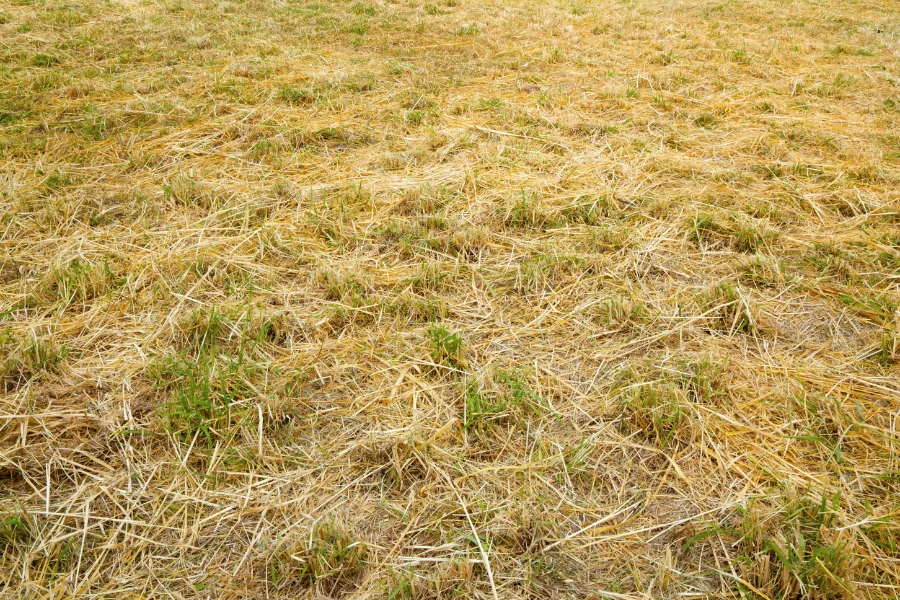
Winter (November to February) brings cold soil that prevents rooting, leaving turf sitting dormant and vulnerable to frost heave or rot. Summer (June to August) creates heat stress on new turf, making daily watering exhausting with high scorch risk. Heavy rain periods should also be avoided since saturated soil compacts when walked on, ruining your preparation.
Aftercare: Nurturing Your New Turf
Your work isn’t done once the turf is down. Water immediately and soak thoroughly upon laying, then provide daily watering for 2 to 3 weeks. Lift corners to check soil moisture, ensuring it feels damp rather than soggy. Wait until turf roots resist gentle tugging (usually 3 to 4 weeks) before your first mow, setting blades high at 5 to 6cm. Avoid foot traffic for 4 to 6 weeks, and for autumn lawns, apply autumn feed in November to strengthen roots over winter.
When Professional Help Pays Off
Consider hiring landscapers for large or complex sloping sites, heavy clay soil needing specialist drainage, or tight seasonal windows such as late autumn in Scotland.
Final Verdict: Patience Over Panic
For most UK gardens, September is the undisputed champion for laying turf. It leverages nature’s support through warm soil, steady rain, and minimal stress. Spring (April to May) is a strong runner-up if you can commit to watering.
Resist the temptation to lay outside these windows since waiting ensures your investment thrives. Prepare soil meticulously, monitor weather forecasts, and prioritise aftercare. Done right, autumn-laid turf rewards you with a resilient, envy-inducing lawn by next summer. Your patience will literally bear fruit in blades of lush green grass.