For those dreaming of a lush, green lawn, preparing the ground for turf is a vital first step. Proper soil preparation ensures that your new turf has the best chance to thrive. It starts with clearing away any weeds and debris to give your turf a clean slate. Without this, the new lawn may struggle to establish itself.
Once the area is clear, the next step involves improving and levelling the soil. Ground preparation is key to making sure the lawn sits even and drains well. Quality turf will flourish in well-prepared soil, giving you that beautiful, even finish.
Laying new turf might seem daunting, but with the right preparation, it becomes a straightforward task. Fertilising and firming the soil can enhance growth and strengthen roots. For anyone eager to see results, investing time in preparation is a small price to pay for a lawn that’s the envy of the neighbourhood.

Assessing and Preparing Your Soil
A successful lawn starts with good preparation. The process includes removing unwanted plants, enhancing soil structure, and ensuring a level and stable surface. These steps lay the foundation for healthy turf growth.
Eradicating Weeds and Existing Grass
Before laying turf, clearing weeds and existing grass is vital. Perennial weeds can disrupt the growth of new turf, so remove them thoroughly. Glyphosate-based weed killer is effective for tough weeds. After applying it, wait about two weeks to ensure all plants die off.
Once weeds are cleared, remove the dead plant material. This ensures the new turf roots can penetrate easily. Use a spade or a specialised turf cutter if the existing grass is dense. Consider watering the ground lightly if the soil is very dry.
Improving Soil Quality and Drainage
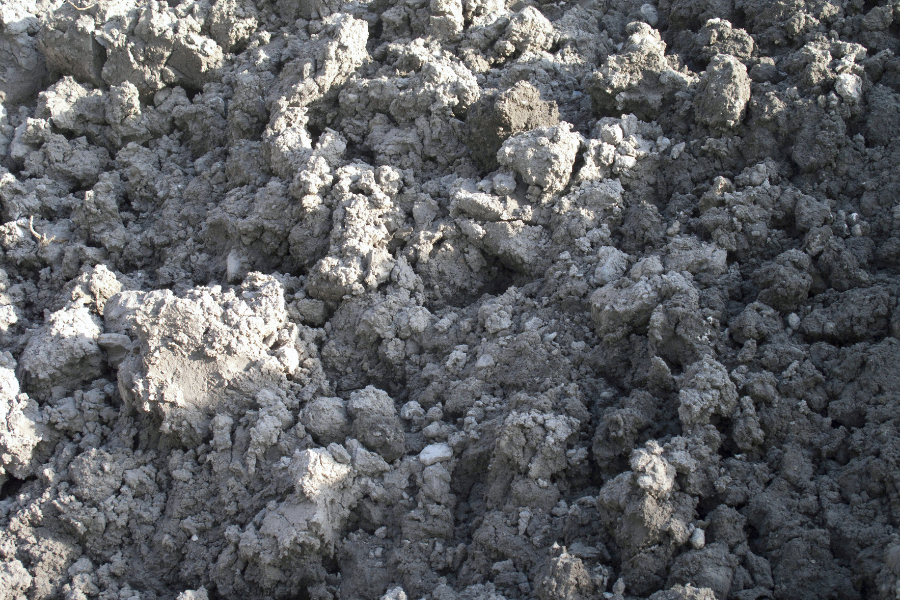
Enhancing soil quality boosts future lawn health. Different soils need different treatments. Sandy soil may require organic matter like well-rotted manure to improve nutrient levels. Conversely, compacted soil benefits from aeration, which enhances drainage and root growth.
Rotovating the soil can break up compacted areas, allowing better water infiltration and aerating the ground. Add chemical nutrients cautiously, focusing on balanced fertilisers to improve the tilth. Consider a soil test to identify and correct specific deficiencies in minerals.
Levelling and Firming the Soil
Achieving a level surface is key for a neat lawn appearance. Use a turfing iron or a long plank to even out bumps and fill in hollows. This step ensures that your new lawn will not have undulations, providing a smooth finish once the turf is laid.
Firm the soil by walking over it with small, shuffling steps or using a garden roller. This helps consolidate the ground without making it too compact. A level lawn prevents future drainage issues and makes turf installation easier. Check the levels regularly throughout the process to maintain consistency.
Selecting and Preparing the Turf
Before laying turf for a new lawn, choose quality turf that suits specific needs and prepare by handling it properly. It is crucial to ensure that the turf remains fresh and healthy until you are ready to lay it.
Choosing Quality Turf for Your Lawn
When selecting turf, think about the type of grass that best suits your environment. Some grasses cope better with shade, while others thrive in sunny areas. Consider the foot traffic in the area to ensure the grass can withstand wear. It’s also wise to purchase turf that matches the soil conditions of your garden. For a smooth finish, buy freshly cut turf from reputable suppliers. This ensures the turf is healthy and free from weeds. Inspect each roll for consistent thickness and a good root system.
Storing and Handling Turf Before Laying
Once you’ve chosen your turf, it’s important to lay it as soon as possible. However, if there is a delay, store it in a cool, shady spot to prevent it from drying out or overheating. Unrolling the turf slightly helps with air circulation. When handling, avoid dragging the turf over rough surfaces to prevent tearing. Use a turf cutter for clean edges if trimming is needed. Make sure the ground is prepared in advance, so when the turf arrives, it goes down quickly. Proper handling ensures the turf stays in top condition, making for a lush, new lawn.

Laying the Turf
When laying turf, attention to detail is necessary to create a neat and thriving lawn. Proper techniques ensure the turf roots properly and levels the ground for a pleasing finish. A well-laid lawn requires care and precision during installation.
Techniques for Laying Turf
Start by preparing your layout. Place the first roll of turf along a straight edge, such as a path or patio. Use a wooden board to walk on the turf, preventing damage or shifts in position. Align each piece snugly, without gaps or overlaps, as these can cause uneven growth.
Stagger the turf rolls, similar to laying bricks. This pattern helps to reduce visible seams. Use a sharp knife to trim edges with precision, fitting around curves and obstacles. Keep the joints tight and tuck the edges into the soil to promote rooting.
Treading and Levelling the Newly Laid Turf
After the turf is laid, walk gently on it using a board to distribute weight evenly. This helps to press the turf down, ensuring good contact with the soil. Move the board around, stepping on it instead of directly on the grass.
Check for uneven sections and lightly roll the surface. This can be done with a garden roller or by simply treading more carefully. Pay attention to areas that might sink due to stones or hidden rubble; these need proper settling and levelling. Adjust as needed to achieve a flat and smooth lawn finish.

Aftercare and Maintenance
Caring for a new lawn requires regular watering and feeding, as well as proper mowing and maintenance practices. This helps the lawn establish strong roots and ensures its health over time.
Watering and Feeding Your New Lawn
New lawns need consistent watering to support root growth. It’s important to water deeply and infrequently. This encourages the roots to grow deeper into the soil. Water the soil early in the morning to reduce evaporation and give it time to dry before nightfall, preventing diseases.
In dry weather, you might need to water more frequently. Feed your lawn after six to eight weeks of laying the turf, using a balanced fertiliser. This replenishes nutrients and aids grass health. It’s wise to follow the package instructions closely to avoid overfeeding, which can harm the grass. Applying fertiliser during rain or after watering can help it absorb better into the soil.
Mowing and Ongoing Lawn Care
Once your new lawn is established, regular mowing is key. Begin mowing when it reaches about 7-8 cm tall, but never cut more than one-third of the grass height at a time. This prevents stress on the grass and encourages healthy growth. During dry spells, raise the mowing height to protect the grass from drying out.
Regular checks for weeds and pests are also part of good lawn care. Remove weeds manually or with natural herbicides, and keep an eye out for any signs of insects. Aerating the lawn annually can improve soil compaction issues and promote healthy root development, keeping the grass lush and vibrant.