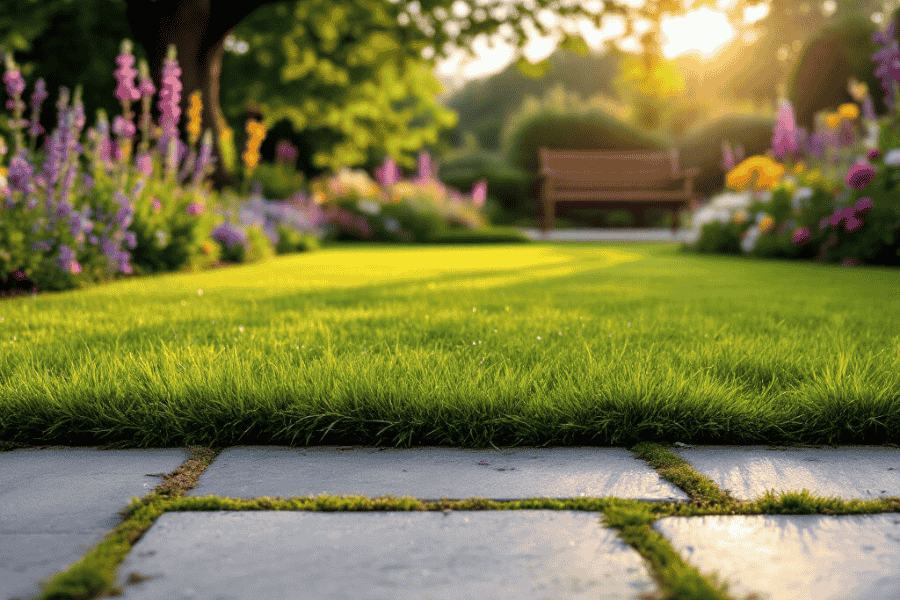
Edging a lawn next to paving can transform a garden from neat to striking. Using the right tools and methods ensures a crisp line between grass and paving, keeping the lawn looking tidy and well-maintained. This task might seem straightforward, but attention to detail makes all the difference, especially when working with different levels between the lawn and paving.
For the best results, one should equip themselves with the right tools, like half-moon edgers and long-handled shears. These help achieve clean lines and a polished look. Whether the paving is at the same level as the lawn or not, clever use of tools can create a consistent and attractive edge.
Creating defined edges not only enhances the garden’s appearance but also makes regular lawn maintenance easier. Neat edges reduce the growth of grass onto paving, helping to maintain the garden’s pristine look throughout the year. This small yet impactful task could be just what the garden needs for that extra touch of elegance and structure.
Choosing the Right Tools for Edging
Selecting the proper tools for lawn edging improves precision and efficiency. While manual tools offer control and detail work, power tools speed up the process, catering to different lawn sizes and intricacies.
Manual Tools and Their Use
Manual tools are ideal for detailed work. Half-moon edgers create neat, straight lines, perfect for small gardens. The sharpened edge of the tool allows it to cut through soil easily, establishing distinct boundaries.
A spade or garden spade can also edge lawns, providing versatility. Though less specialised, they are commonly available in most tool sheds and require a bit of muscle.
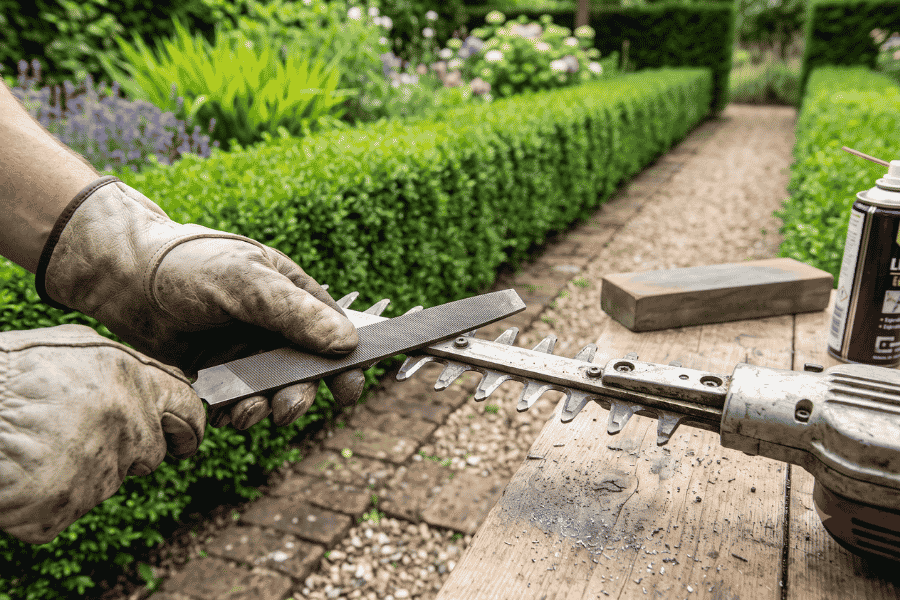
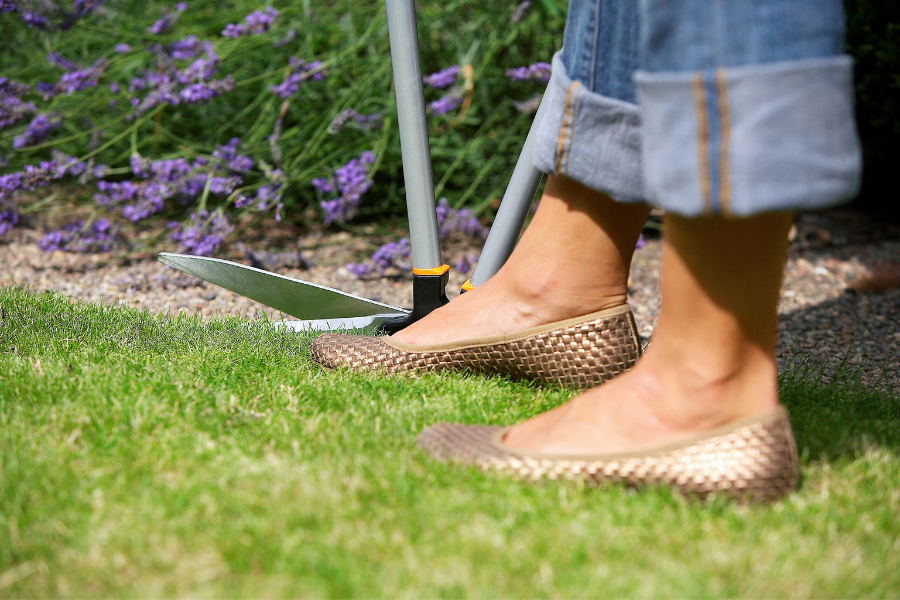
Edging shears and long-handled grass shears are great for trimming grass along the edges for a polished look. They offer fine control, allowing for clean trims along curves or tight spaces where precision is necessary.
Power Tools for Efficiency
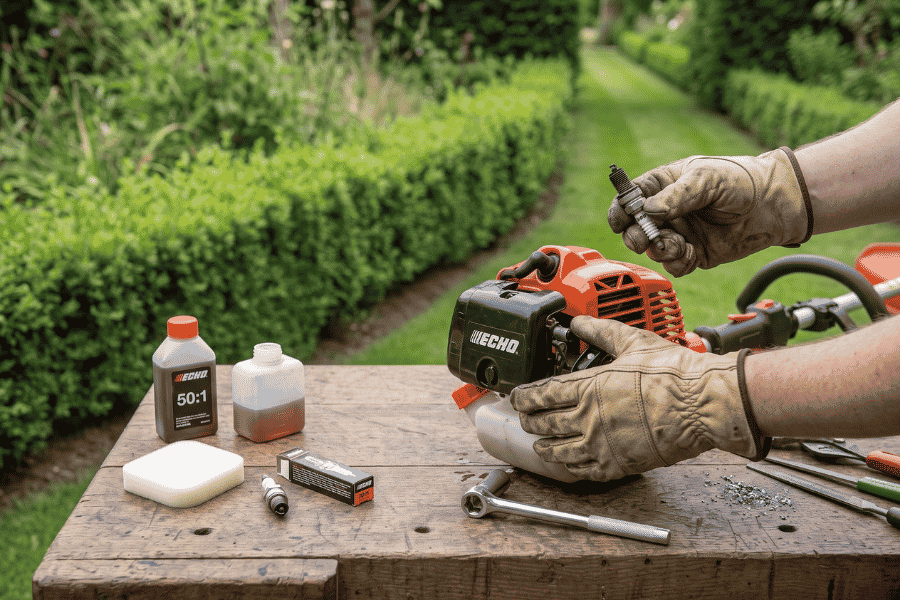
For longer or more intricate lawn edges, power tools offer speed. An electric edger or power edger efficiently handles large edging tasks with minimal effort. They can make straight and curved edges faster than manual tools.
String trimmers and grass trimmers are suitable for finishing touches along paved areas, swiftly cutting grass and weeds in corners or difficult spots.
While they may lack some precision, power tools save time and energy on expansive lawns, balancing efficiency with performance. Select the right model based on the lawn’s size and specific needs to achieve the best results.

Preparing the Lawn Edge
Before creating a neat edge next to paving, it’s important to plan carefully. This involves assessing the area to set an accurate boundary and selecting the right technique to carve out the edge with precision.
Assessing the Area and Marking the Edge Line
First, review the outdoor space to understand the layout and decide whether a straight or curved lawn edge best suits your garden’s design. Measuring tape is useful for determining the length of the edge, ensuring straight lines are even and curves are smooth.
To mark the edge, use stakes and string, a plank of wood, or a long rope. Ensure the line is visible and follows any existing paving patterns. This careful preparation sets the foundation for a tidy and attractive lawn edge.
Techniques to Cut a New Lawn Edge
Once the edge line is clear, choose the right tools for cutting. For straight edges, a half-moon edger is a great choice, while long-handled grass shears are ideal for trimming. A spade or edging shears work well for curved lawn edges, allowing for a smooth curve.
Be methodical when cutting to avoid jagged edges. Cut deeply enough to separate the lawn from the paving but not so deep that soil is exposed. Clean edge lines not only look appealing but also help maintain the boundary between lawn and paving, enhancing the overall garden aesthetic.

Edging and Maintaining the Lawn Edge
Creating a neat edge between a lawn and paving improves both the look and health of a garden. By focusing on how to edge a lawn and consistent maintenance, you can keep your lawn looking tidy and well-defined.
Creating a Clean Separation
To create a clean separation, use a half-moon edging tool or a spade. These tools help define the boundary between the lawn and paving. Hold the tool at a 90-degree angle to the lawn, ensuring a straight and uniform line. For curved edges, a garden hose can act as a guide.
Using boards or rope can also help maintain accuracy along straight or curved edges. A defined edge not only enhances garden aesthetics but also helps in managing overgrown grass by making mowing easier.
Maintaining the Edge Over Time
Keeping the lawn edge in check requires regular upkeep. Frequent trimming prevents grass from spilling over onto the pavement. Edging shears are ideal for maintaining sharpness. Long or telescopic handles may make the task more comfortable, especially for taller individuals.
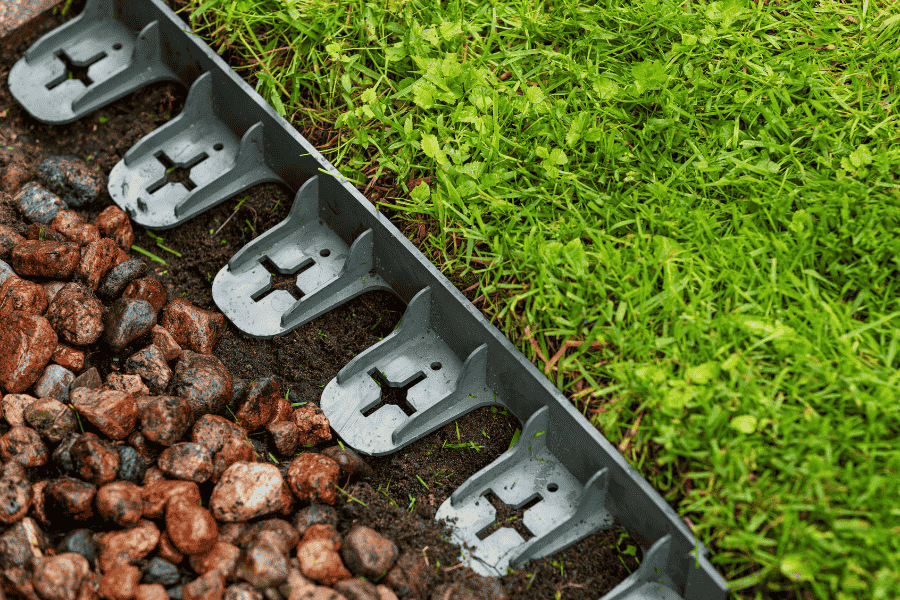
Mulch or spiked metal sheeting provides additional assistance in controlling weeds and grass encroachment. Persistent maintenance helps in preventing the need for regular intensive re-edging. Regularly clearing debris and monitoring for overgrowth aids in long-term care. Periodic evaluation and attention to the edges ensure the lawn remains neatly bordered and visually appealing.
Enhancing the Edged Lawn with Landscaping Options
A well-edged lawn can be the foundation for beautiful landscaping. The right materials and design choices boost curb appeal and reduce issues like soil erosion.
Incorporating Garden Beds and Barriers
Adding garden beds beside your lawn edge creates visual interest. By planting flower beds, you gain vibrant colours throughout the seasons. Use a physical barrier like plastic edging to keep grass from creeping into the beds. This also prevents soil erosion.
To add height and texture, consider shrubs or small trees. They make a striking backdrop, enhancing the overall landscape design. For a polished finish, lay down gravel at the base. This approach offers aesthetic appeal while minimising maintenance.
Choosing Edging Materials for Aesthetics and Function
Selecting the right edging materials transforms your lawn’s edge into a feature. Metal edging is durable and adds a sleek look, ideal for modern gardens. For a softer approach, rubber mallets help install plastic edging effectively without damaging it. This method is safer for children and pets.
Another choice is to use grass seed to fill gaps between the paved surfaces and the lawn, creating a seamless transition. This is particularly effective with powered edger tools that ensure precise cuts. Consider local climate and maintenance needs when picking materials, ensuring both aesthetic appeal and functionality.