Maintaining a lush, green lawn during the UK’s increasingly frequent heatwaves is no small feat. With temperatures often soaring above 30°C and hosepipe bans becoming a summer staple, strategic watering is essential to preserve grass health while conserving water. Timing isn’t just a detail – it’s the cornerstone of effective lawn care in hot weather.
This article unpacks the science behind optimal watering schedules, explores techniques to maximise moisture retention, and offers sustainable solutions for British gardeners.
From battling evaporation to nurturing deep root systems, we’ll guide you through practices that keep your lawn resilient, even when the mercury rises.
Why Timing Matters in Hot Weather
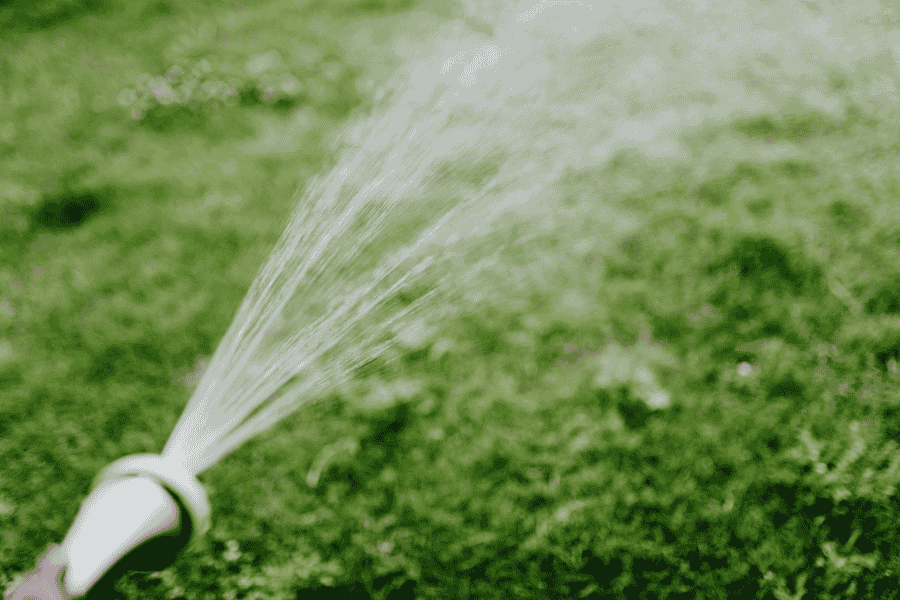
Watering at the wrong time wastes resources and stresses grass. Understanding evaporation rates, root absorption, and local climate patterns ensures every drop counts.
The Evaporation Problem
In peak summer, midday sun can evaporate up to 60% of irrigation water before it reaches grass roots, according to 2025 data from the Royal Horticultural Society. Watering during cooler hours minimises this loss, directing moisture where it’s needed most.
Pro Tip: Use a soil moisture meter to gauge hydration levels. Ideal soil should feel damp 10-15 cm below the surface, not soggy or bone-dry.
Root Health and Heat Stress
Shallow watering in hot weather encourages roots to stay near the surface, making grass vulnerable to drought. Conversely, infrequent but deep watering promotes deeper root growth, enhancing resilience. A 2024 University of Reading study found lawns watered deeply 2-3 times weekly survived heatwaves 30% longer than those watered daily.

Optimal Watering Windows for Hot Weather
Timing isn’t one-size-fits-all, but these guidelines align with UK climate trends and grass biology.
Early Morning: The Gold Standard
4:00 AM to 8:00 AM is ideal. Cooler temperatures and calm winds reduce evaporation, while morning sunlight helps grass dry gradually, preventing fungal diseases. Most automated irrigation systems can be programmed to align with this window.
Pro Tip: If manual watering, aim for dawn. Use a watering can or hose with a spray nozzle to mimic gentle rainfall.
Late Afternoon Alternatives
If mornings aren’t feasible, 4:00 PM to 6:00 PM is a secondary option. Avoid watering after 7:00 PM, as lingering moisture overnight invites mildew and pests like slugs.
Note: During hosepipe bans, use recycled “grey water” from baths or washing-up bowls, but avoid salty or soapy residues that harm soil.

Smart Watering Techniques for Heatwaves
Efficiency is key when water is scarce. These methods ensure your lawn stays hydrated without excess waste.
Deep Watering vs. Light Sprinkling
Deep watering: Apply 2.5-3 cm of water weekly, split into 2-3 sessions. This encourages roots to grow 15-20 cm deep.
Light sprinkling: Wets only the surface, causing roots to rise and grass to wilt faster.
Pro Tip: Place empty tuna cans around the lawn while watering. Stop when they collect 1-1.5 cm of water, indicating adequate saturation.
Using Irrigation Systems Wisely
Soaker hoses: Deliver water directly to soil, reducing evaporation. Ideal for bordered lawns.
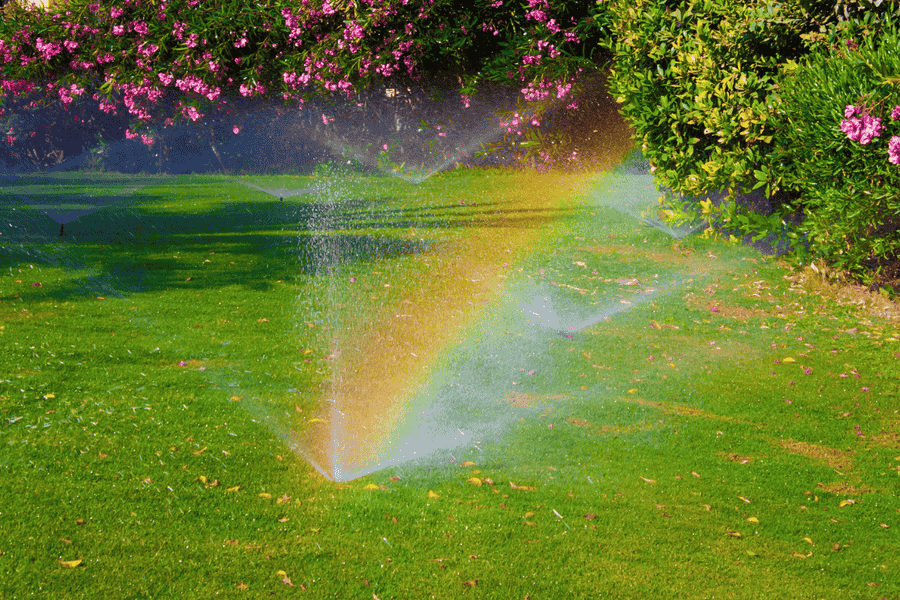
Oscillating sprinklers: Best for large, open areas. Use in early morning to minimise wind drift.
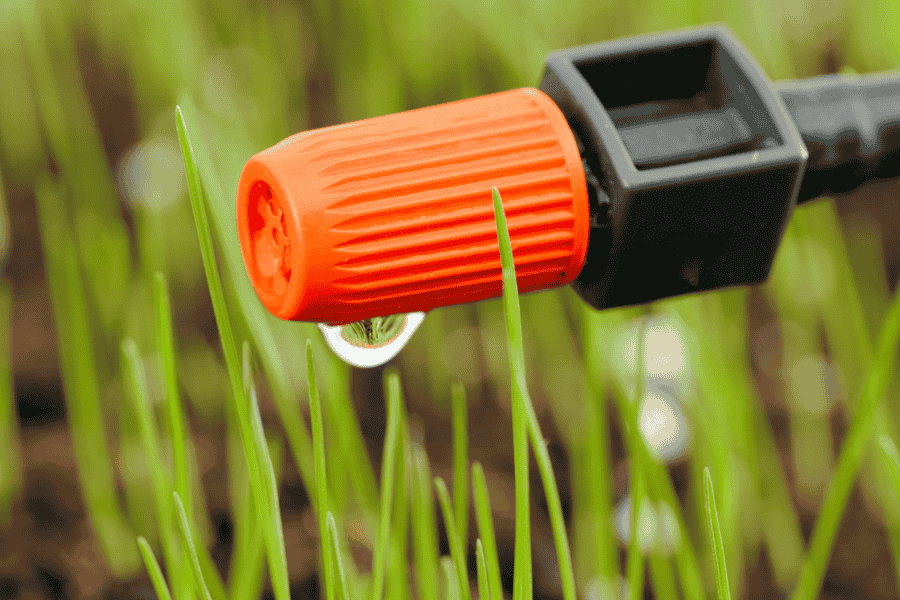
Drip irrigation: Efficient for ornamental lawns but less practical for expansive turf.
Avoid sprinklers during midday – evaporation rates peak, and water droplets can magnify sunlight, scorching blades.
Conserving Water Without Sacrificing Lawn Health
Sustainable practices protect both your garden and local water supplies.
Mulching to Retain Moisture
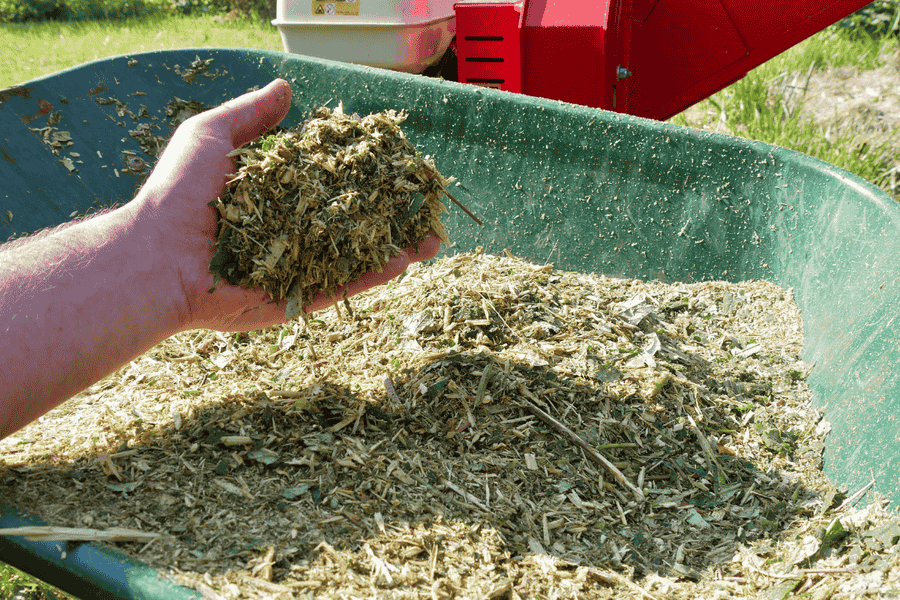
Apply a 1 cm layer of grass clippings or compost after mowing. Mulch acts as insulation, reducing soil temperature by up to 10°C and slowing evaporation.
Pro Tip: Use a mulching mower to chop clippings finely, preventing thatch buildup.
Choosing Drought-Resistant Grass
UK-approved drought-tolerant varieties include:
Tall fescue: Deep-rooted and hardy.
Bermuda grass: Thrives in heat but requires full sun.
Perennial ryegrass blends: Recover quickly after dry spells.
The Lawn Association’s 2025 trials show these grasses need 40% less water than traditional Kentucky bluegrass.
Common Mistakes to Avoid in Hot Weather
Even seasoned gardeners can misstep under pressure. Steer clear of these pitfalls.
Overwatering
Soggy soil suffocates roots and fosters diseases like brown patch. Signs of overwatering include:
Spongy turf
Mushrooms growing
Yellowing blades
Fix: Let the lawn dry out for 2-3 days and aerate compacted areas.
Watering at Night
While it seems logical to avoid daytime heat, nighttime watering leaves grass damp for 12+ hours, increasing risks of:
Fungal infections (e.g. red thread)
Snail and slug infestations
Exception: If a heatwave peaks overnight (a growing UK trend), a light pre-dawn watering can mitigate stress.

Adapting to Extreme Heat and Hosepipe Bans
Climate shifts demand flexibility. Here’s how to protect lawns during water restrictions.
Prioritising Zones
Focus watering on high-traffic areas and young grass. Let dormant zones (e.g., shaded patches) brown temporarily – they’ll recover after rains return.
Using Rainwater Harvesting
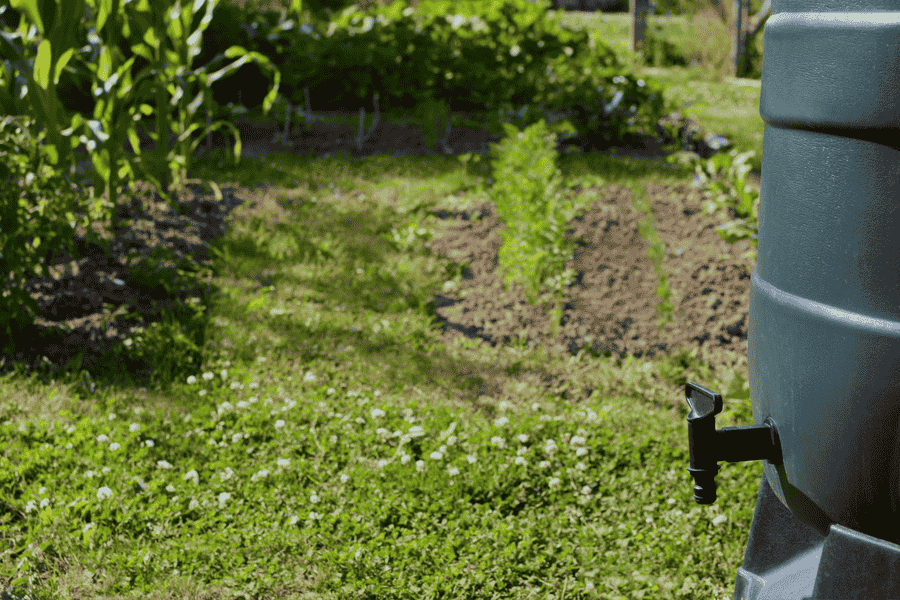
Install a 200-300L water butt to collect runoff from roofs. A typical UK roof collects 85,000L annually, enough for 12 weeks of lawn watering.
Pro Tip: Add a mesh filter to keep debris out and use collected water within a month to prevent stagnation.
Post-Heatwave Lawn Recovery
Once temperatures drop, revive your lawn with these steps.
Gradual Rehydration
Resume deep watering slowly to avoid shock. Increase frequency over 7-10 days.
Aeration and Feeding
Spike aerate compacted soil to improve water absorption.
Apply a low-nitrogen, high-potassium fertiliser to strengthen roots.
Conclusion
Watering a lawn in hot weather is a balancing act; too much wastes resources, and too little risks damage. UK gardeners can maintain vibrant lawns even in scorching conditions by prioritising early morning irrigation, adopting deep watering techniques, and embracing drought-resistant grasses.
Stay ahead of hosepipe bans with rainwater harvesting and smart prioritisation, and remember: a temporarily brown lawn isn’t dead – it’s dormant. With patience and the right strategies, your grass will rebound when cooler days return.
In 2025, sustainability isn’t just a trend; it’s a necessity. By aligning your watering routine with ecological principles, you’ll nurture a lawn that’s not only beautiful but also a testament to resilient, forward-thinking gardening.