A well-maintained petrol lawnmower is a trusty ally in keeping British gardens pristine. However, the sudden appearance of smoke, whether white, blue, or black, can signal underlying issues that demand attention. In the UK’s variable climate, where mowers face damp springs and dusty summers, understanding the causes of smoking is key to preventing costly repairs and extending your equipment’s lifespan.
This guide demystifies common triggers of petrol lawnmower smoke, offering practical solutions tailored to home gardeners. From oil imbalances to fuel system faults, we’ll explore how to diagnose problems, implement fixes, and adopt preventative measures.
Whether you’re a weekend warrior or a seasoned greenkeeper, these insights will help you maintain a reliable, efficient machine.

Understanding Why Petrol Lawnmowers Smoke
Smoke colour is a critical diagnostic tool. Each hue points to specific issues, from minor maintenance oversights to serious engine damage.
White Smoke: Excess Oil or Condensation
White smoke often stems from oil overfill or condensation in the crankcase, particularly after winter storage. When oil levels exceed the manufacturer’s recommendation, it seeps into the combustion chamber, burning off as thick white plumes. In cooler months, temperature fluctuations can also cause moisture buildup, which vaporises during startup.
Pro Tip: Always check oil levels using the dipstick, ensuring they sit between the “min” and “max” marks. If condensation is suspected, run the mower for 10-15 minutes to evaporate moisture.
Blue Smoke: Worn Engine Components
Blue-tinted smoke indicates burning oil due to worn piston rings, valve seals, or gaskets. As these components degrade, oil leaks into the combustion chamber. This issue is common in older mowers or those with high usage hours. A 2024 study by the Institute of Mechanical Engineers found that 65% of petrol mowers over five years old exhibit oil-related smoke issues.
Pro Tip: Replace worn piston rings or valve seals promptly to avoid irreversible engine damage. Use high-quality SAE 30 or 10W-30 oil, as recommended by most manufacturers.
Black Smoke: Fuel System Imbalances
Black smoke signals a rich fuel mixture, where excess petrol fails to burn completely. Causes include a dirty air filter, clogged carburettor jets, or incorrect carburettor adjustments. In humid UK summers, ethanol-blended fuels can attract moisture, worsening combustion efficiency.
Pro Tip: Clean or replace air filters monthly during peak mowing season. Use fuel stabilisers to prevent ethanol-related moisture buildup in stored petrol.

Troubleshooting Steps for a Smoking Lawnmower
Addressing smoke issues early can save time and money. Follow these steps to pinpoint and resolve problems.
Checking Oil Levels and Quality
Park the mower on a flat surface and wait 5 minutes for oil to settle.
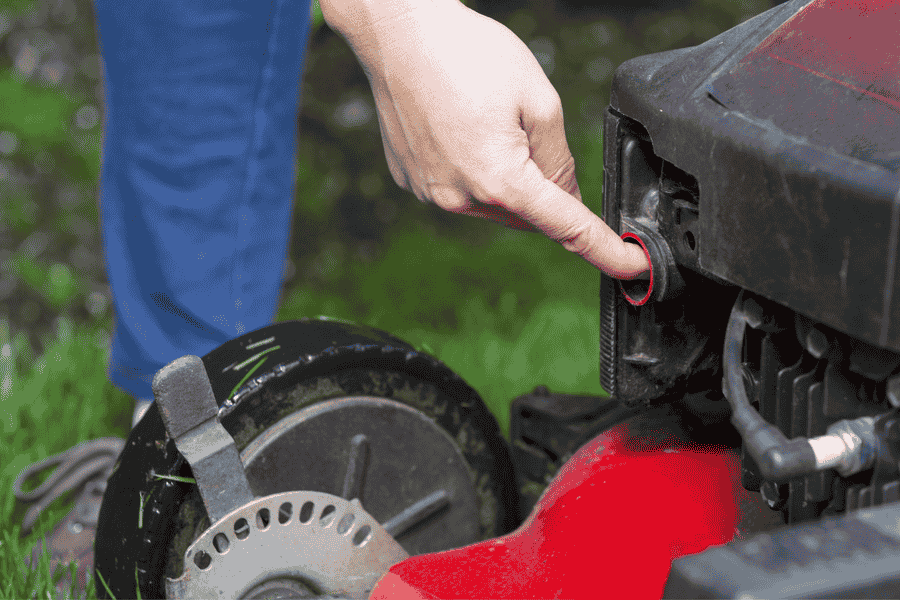
Remove the dipstick, wipe it clean, and reinsert it without screwing in.
Adjust oil levels if they’re above the “max” line, using a funnel to avoid spills.
Inspect oil quality: Milky or gritty oil indicates contamination – replace it immediately.
Inspecting the Air Filter
A clogged air filter restricts airflow, forcing the engine to burn fuel inefficiently.
Foam filters: Wash in warm, soapy water, rinse, and air-dry.
Paper filters: Replace if discoloured or damaged.
Hybrid filters: Follow manufacturer guidelines for cleaning intervals.
Examining the Fuel Mixture
Most modern petrol mowers use a 4-stroke engine, requiring pure petrol and separate oil. However, if your mower is a 2-stroke model, ensure the oil-to-petrol ratio matches the manual (typically 1:50).
Pro Tip: Avoid using stale fuel. Petrol degrades after 30 days, leading to varnish buildup in the carburettor.
Preventative Maintenance to Avoid Smoking
Regular upkeep minimises smoke risks and enhances performance.
Regular Oil Changes and Filter Replacements
Change oil every 25–50 operating hours or annually.
Replace air filters every three months or after 25 hours of use.
Clean spark plugs annually to ensure efficient combustion.
Proper Fuel Storage Practices
Use fuel stabilisers if storing petrol for over 30 days.
Store petrol in approved containers away from direct sunlight.
Drain the tank before winter storage to prevent gum deposits.
Seasonal Maintenance Tips
Spring: Check oil, replace filters, and sharpen blades.
Autumn: Drain fuel, clean the mower deck, and lubricate moving parts.
Winter: Store in a dry, covered area to prevent rust.
When to Call a Professional
Some issues require expert intervention.
Signs of Internal Engine Damage
Persistent blue smoke after oil changes.
Knocking sounds during operation.
Loss of power or difficulty starting.
Persistent Smoke Despite Troubleshooting
If smoke continues after checking oil, filters, and fuel, the carburettor may need recalibration or the piston rings could be irreparably worn. Certified technicians can perform compression tests to assess engine health.
Conclusion
A smoking petrol lawnmower is a fixable problem with the right knowledge. By diagnosing smoke colours, performing routine maintenance, and adopting eco-conscious habits, you can extend your mower’s life and reduce environmental harm. For British gardeners, proactive care – especially before and after winter – is crucial in battling the damp, variable conditions that exacerbate engine issues.
Remember: Regular checks and timely repairs not only prevent smoke but also ensure your mower remains a reliable partner in crafting that perfect striped lawn. When in doubt, consult a professional to safeguard your investment. With these strategies, your garden will thrive, and your mower will hum smoothly… a hallmark of diligent care and mechanical harmony.