With the UK’s unpredictable weather and seasonal shifts, timing and technique play pivotal roles in lawn care. From the first spring cut to winter preparations, every decision impacts the health and appearance of your grass.
For many, lawn mowing is a routine chore, but transforming it into an efficient practice demands strategic planning. Advances in technology, sustainable methods, and a deeper understanding of grass biology have reshaped modern lawn care. This article explores how to balance tradition with innovation, ensuring your lawn thrives while minimising effort and environmental impact.
Whether you’re a seasoned gardener or a novice, this guide offers actionable insights tailored to British climates. We’ll delve into optimal timing, equipment choices, and seasonal adjustments, helping you achieve a lawn that’s both beautiful and resilient.

Timing Your First Cut
Knowing when to make the first mow of the year sets the tone for your lawn’s health. In 2025, experts recommend starting no earlier than March 5, as grass growth typically resumes when temperatures consistently exceed 7°C 135. This date aligns with Met Office projections and the Royal Horticultural Society’s guidelines, ensuring your lawn isn’t stressed by premature cutting.
Watch the Weather
While March 5 serves as a general benchmark, local conditions vary. Check forecasts for frost, rain, or wind, which can damage grass and equipment. For instance, mowing wet grass leads to clumping and uneven cuts, while frost can shatter grass blades, leaving brown patches. Adjust your schedule if cold snaps or storms are predicted.
Prepare Your Equipment
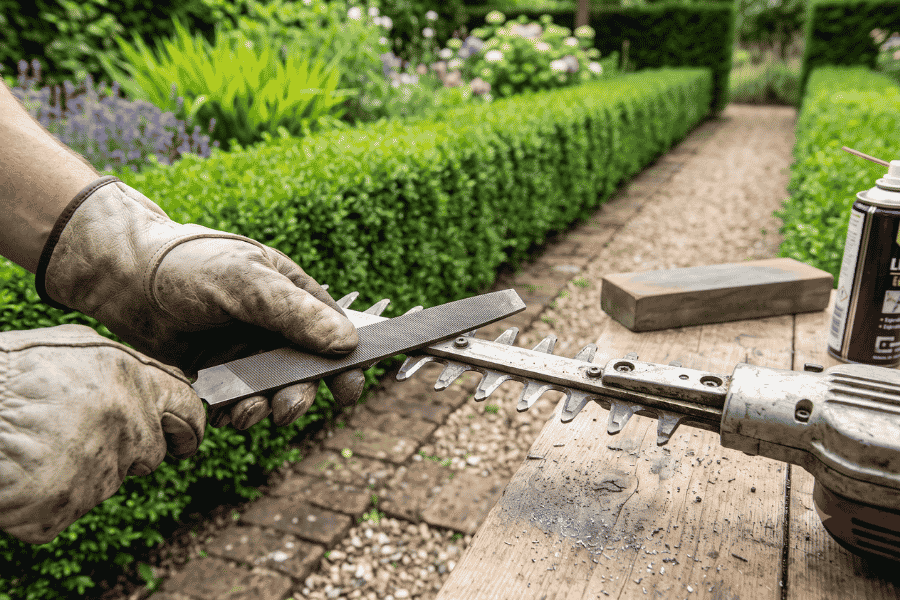
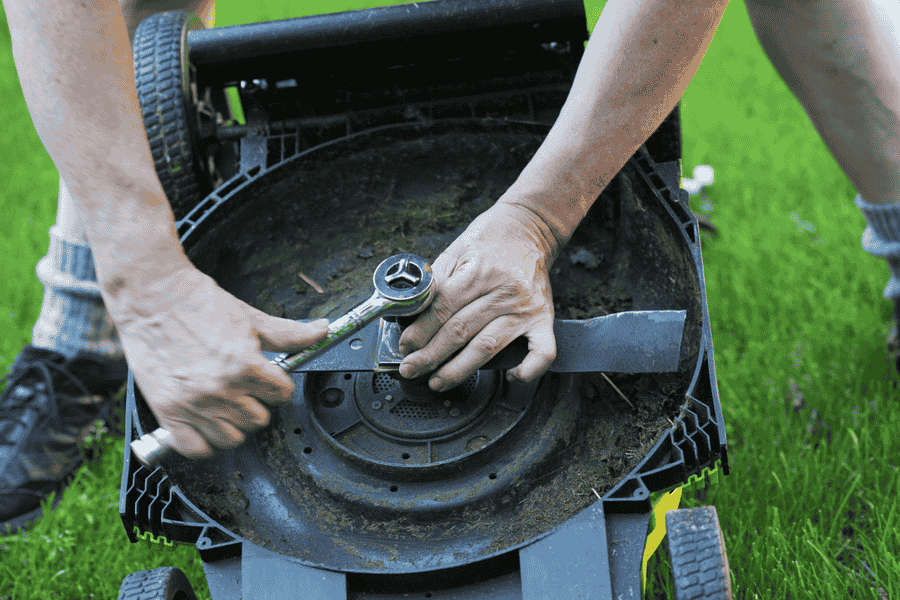
Before the first mow, service your mower. Sharpen blades to ensure clean cuts, as dull blades tear grass, increasing disease risk 10. Clean the undercarriage to prevent rust and check oil or battery levels for electric models. A well-maintained mower reduces effort and improves results.
Selecting the Right Equipment
Choosing the best mower for your needs can streamline lawn care. From robotic assistants to electric models, modern options cater to diverse preferences and garden sizes.
Robotic Mowers: A Hands-Off Approach
Robotic mowers, like those highlighted in 2025 trends, offer convenience for busy homeowners. These devices use GPS and sensors to navigate gardens autonomously, cutting grass evenly and mulching clippings for natural fertilisation. Ideal for medium-sized lawns, they save time and reduce carbon footprints with battery-powered operation.
Electric vs. Petrol Mowers
Electric mowers are quieter and eco-friendlier than petrol alternatives, making them popular in urban areas. They’re lighter and require less maintenance, though battery life may limit use on larger lawns. Petrol mowers, while powerful, produce emissions and noise, which may clash with suburban tranquillity. But overall, we still believe petrol mowers are the way to go… for now that it is.

Perfecting Your Mowing Technique
Efficiency isn’t just about tools-it’s about method. Adopting smart techniques ensures a healthier lawn with less effort.
Follow the One-Third Rule
Never remove more than one-third of the grass height in a single session. Cutting too short stresses the grass, weakening roots and inviting weeds. For cool-season grasses common in the UK, aim for 2.5-4 cm; adjust slightly in summer to retain moisture.
Alternate Your Patterns
Mowing in the same direction compacts soil and creates ruts. Instead, alternate between parallel, diagonal, and spiral patterns weekly. This encourages upright growth and prevents wear, giving your lawn a professional finish.
Adapting to Seasonal Changes
Lawn care isn’t static-it evolves with the seasons. Adjusting your approach ensures year-round resilience.
Spring and Summer Care
In spring, aerate compacted soil and apply natural fertilisers to boost growth. Raise mower blades slightly in summer to shade roots and reduce water loss. Water early in the morning to minimise evaporation, and watch for pests like leatherjackets.
Autumn and Winter Prep
As growth slows in autumn, lower the mower height gradually. Remove leaves promptly to prevent mould, and overseed bare patches. Avoid mowing in winter; instead, protect grass by limiting foot traffic on frosty turf.

Embracing Sustainable Practices
Eco-friendly lawn care benefits both your garden and the environment. Simple swaps can make a significant difference.
Mulch Clippings
Mulching mowers recycle clippings into nutrient-rich mulch, reducing the need for synthetic fertilisers. This method also conserves moisture and suppresses weeds, aligning with 2025 trends toward sustainability.
Conserve Water
Install smart irrigation systems that adjust watering based on weather data, or collect rainwater in barrels. Drought-resistant grass varieties, such as fescue blends, thrive in the UK’s variable climate with minimal watering.
Safety and Maintenance Tips
A safe mowing routine protects both you and your lawn.
Prioritise Safety Gear
Wear sturdy shoes, goggles, and hearing protection, especially with petrol mowers. Avoid loose clothing that could catch in moving parts, and keep children and pets at a distance during mowing.
Regular Mower Upkeep
Clean blades after each use to prevent rust and disease spread. Sharpen blades monthly during peak season and store mowers in a dry, sheltered space to prolong their lifespan.
Conclusion
Efficient lawn mowing blends science, strategy, and sustainability. By timing your first cut wisely, investing in suitable equipment, and adapting to seasonal needs, you can cultivate a vibrant lawn with minimal effort. Embrace innovations like robotic mowers and smart irrigation, but don’t overlook timeless practices like pattern variation and mulching.
For British gardeners, resilience against unpredictable weather is key. Stay flexible, monitor local forecasts, and prioritise eco-friendly methods to create a lawn that’s not only efficient to maintain but also a haven for biodiversity. With these strategies, your garden will flourish…a testament to both tradition and modern ingenuity.