Ever wondered how robotic lawn mowers keep gardens neat without human help? As technology advances, these clever machines have become a staple in tech-savvy gardens, offering an efficient way to maintain a crisp lawn. At the heart of their operation is a blend of sensors, rechargeable batteries, and smart navigation systems. These components work together, allowing the mower to trim the grass with precision and avoid obstacles along its path.
Most robotic mowers operate on a user-set schedule, returning to their charging stations once their job is complete. This convenience turns a potentially tedious chore into a hands-free pleasure. Using GPS or boundary wires, they map out their designated area, ensuring they cover every inch of grass, from tiny gardens to sprawling estates.
In addition to their programmed intelligence, some models even come with rain sensors, stopping the mower from operating in bad weather. This feature helps keep both the machine and the garden in prime condition. Whether it’s saving time or reducing effort, robotic lawn mowers promise a hassle-free way to keep gardens looking lush and tidy.
Understanding Robot Lawn Mowers
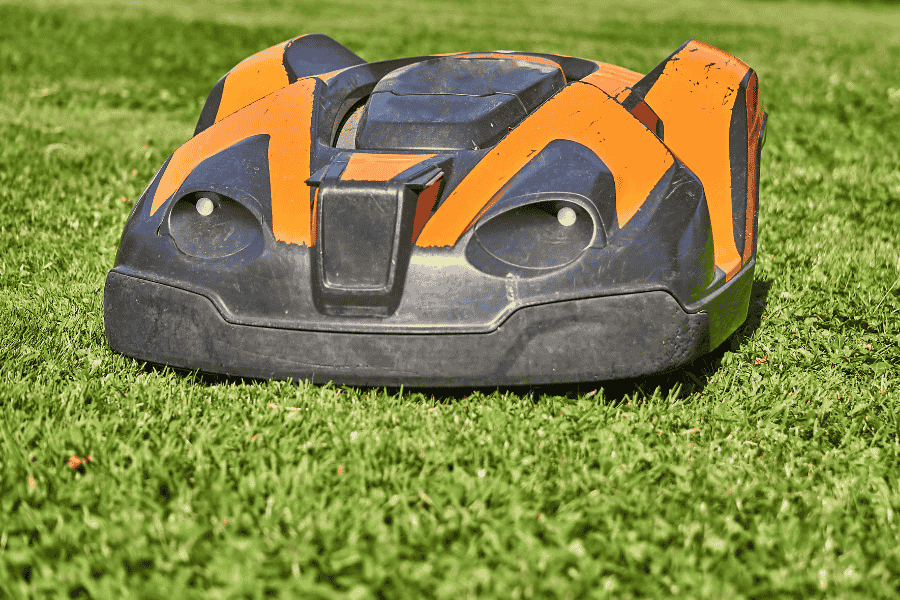
Robot lawn mowers are clever devices designed for convenience and efficiency. They typically use a combination of navigation systems and cutting technology to maintain lawns with minimal human intervention. Key components include the cutting system, battery capacity, docking station, and boundary setup.
Components and Functionality
Robot lawn mowers consist of a few key elements that allow them to function effectively. The cutting system, often driven by efficient electric motors, trims the grass as it moves. These mowers usually have adjustable cutting heights and can tackle large areas, often surpassing 1,000 square metres.
The machines are typically powered by lithium-ion batteries, providing a significant battery capacity that supports long mowing sessions. Once the battery starts running low, the robot lawn mower returns to its docking station automatically for recharging, ensuring a seamless operation. The combination of these components allows the mower to maintain consistent and reliable performance.
Installation and Setup
To get started with a robot lawn mower, proper installation is needed. The process usually involves setting up a perimeter wire or boundary wire around the lawn. This wire outlines the mowing area, guiding the mower and preventing it from wandering off.
Once the boundary is established, users need to position the docking station in a suitable location, ensuring it’s easily accessible for the mower. This setup allows the mower to locate the docking station for charging and remain within the prescribed area while mowing. Some models also offer app connectivity, making the initial setup easier and allowing ongoing adjustments through a smartphone or tablet.

Navigation and Lawn Coverage
Robot lawn mowers use advanced technology to navigate and maintain a lawn effectively. Different techniques ensure thorough coverage, even on complex landscapes and changing terrains.
Guidance Techniques
Robot lawn mowers typically use a combination of technologies to find their way around. GPS navigation helps some models create a virtual map of the lawn, ensuring they cut the grass efficiently without missing spots.
Collision sensors are standard, allowing mowers to detect and avoid obstacles like trees or garden furniture. Some may also feature LIDAR for precise navigation.
Guide wires set up along the perimeter or key areas of the lawn act as boundaries, ensuring the mower doesn’t stray outside the designed area.
Handling Lawn Complexity
Mowers are designed to handle varying degrees of lawn complexity. Slopes and uneven terrain might be challenging, but many models adjust their paths to ensure steady coverage.
They often come with built-in adaptations for cutting height, allowing them to manage thick or short grass effectively.
Advanced models integrate machine learning and artificial intelligence to optimise mowing strategies, adjusting their paths based on past experiences and changing conditions. Adjustments can include adapting to different grass types or automatically redirecting when faced with tight corners or obstructions.

Performance and Maintenance
Robot lawn mowers offer remarkable cutting performance and require simple maintenance. These machines can automatically trim lawns, leave behind mulched grass clippings as a natural fertiliser, and follow pre-set mowing schedules for optimal lawn care.
Mowing Efficiency
Robot lawn mowers are designed to manage lawns with precision and minimal oversight. They automatically map your lawn’s area, using sensors to avoid obstacles. This efficient navigation allows them to cover large spaces while ensuring no patch is missed. Mowing schedules can be set to align with your preferred days and times, offering flexibility.
Most models employ a mulching technique, where the grass clippings are finely chopped and left on the lawn. This not only keeps the lawn tidy but also serves as a natural fertiliser, enriching the soil. Overall, these mowers provide consistent cutting performance suitable for varied grass types and lawn sizes. They’re perfect for homeowners seeking low-maintenance solutions.
Keeping Your Robotic Mower in Top Shape
Maintaining a robotic lawn mower is remarkably straightforward. Regularly checking and cleaning the blades is important. Over time, debris and grass can accumulate, potentially affecting performance. Simply cleaning these components ensures smooth operation.
Battery care is another aspect to consider. Most robotic mowers are battery-operated, and ensuring they dock properly at their charging station extends battery life. Also, inspect the sensors and wheels for wear and tear, ensuring the mower can move freely and detect obstacles effectively. Regular software updates will keep the mower running efficiently, resolving any technical issues and enhancing overall performance. These steps help keep your mower in peak condition for many years.
Features and Considerations
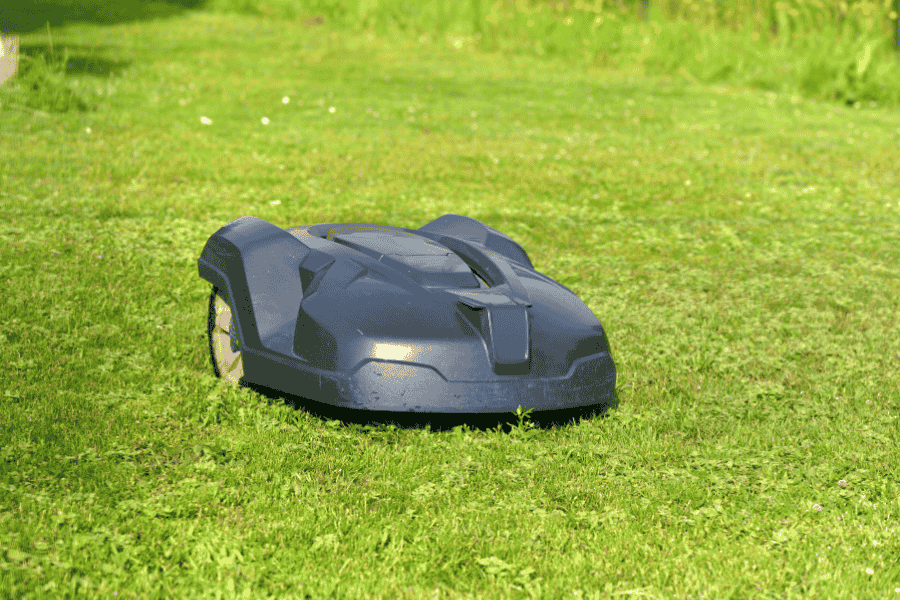
Robot lawn mowers are becoming popular for their convenience in maintaining lawns with minimal human effort. This section explores the advanced technologies behind these devices, and the pros and cons related to lawn care.
Advanced Technologies
Robot lawn mowers come with various smart features that enhance their functionality. Many models use GPS navigation to efficiently navigate and cover the lawn area. Collision sensors help avoid obstacles, so they don’t bump into trees or garden decor. Some models have anti-theft features like PIN code protection or GPS tracking to prevent theft.
Connectivity options like the Automower Connect app allow users to control the mower through smartphones. It lets them set schedules or start the mower remotely. Additionally, some mowers have rain sensors that prevent operation in wet conditions for better grass care and machine longevity.
Lawn Care Advantages and Disadvantages
Robot mowers offer several benefits for lawn maintenance. They’re time-savers, reducing the effort needed for regular mowing. Consistent mowing can improve grass health and appearance. The clippings act as natural fertiliser, enriching the lawn.
However, there are a few drawbacks. Initial costs can be high, varying from £500 to £5,000. These machines may struggle with very uneven terrain or extremely thick grass. Plus, they require some setup, like setting boundary wires for navigation. Despite these limitations, robot mowers are a valuable addition for those seeking automated solutions to lawn care.