Getting your garden ready for the new year can seem like a big task, but with a little planning, it can be more rewarding than daunting. The start of a new year is a great time to consider what you want from your garden. Perhaps you imagine a vibrant flower display in the summer or wish to grow your own vegetables. Taking some time now to prepare your garden will save effort later and ensure your plants thrive.
When focusing on garden readiness, consider tidying up any remaining debris or dead growth. This simple clean-up can keep things healthy and protect new growth from pests and diseases. Also, think about protecting vulnerable plants and adding a layer of mulch to keep them snug throughout winter. These steps will ensure your garden is not only tidy but nurtured to its full potential.
As you prepare your garden for the new year, this is also the perfect moment to start new projects like planting bulbs for spring. Bulbs are an easy way to bring new life to your garden without much hassle. Whether you’re a seasoned gardener or just getting started, setting up these foundations now will let you enjoy the fruit of your efforts in the seasons to come.
Preparing the Soil
Getting your garden ready for the new year starts with preparing the soil. This involves assessing its quality and enriching it with compost to create a nourishing environment for plants to thrive.
Assessing Soil Quality
Assessing soil quality involves checking its texture, drainage, and nutrient levels. To start, dig a small hole and observe the soil’s texture: is it sandy, clay, or loamy? Loamy soil, a mix of sand, silt, and clay, is ideal for most plants. Drainage is another factor—water should not pool on the surface.
Consider testing the soil to measure pH levels and nutrient content. Test kits are available at garden centres, providing insights into necessary amendments. For example, if the pH is too high or too low, plants may struggle to absorb nutrients. Correct any imbalances by using appropriate soil amendments to improve both pH and fertility.
Enriching with Compost
Compost adds essential nutrients to the soil and enhances its structure. Begin by spreading a layer of compost over the garden bed, roughly 5 centimetres thick. This can be homemade from a compost bin using kitchen scraps, grass clippings, and leaves. Composting helps recycle organic waste and transforms it into nutrient-rich humus.
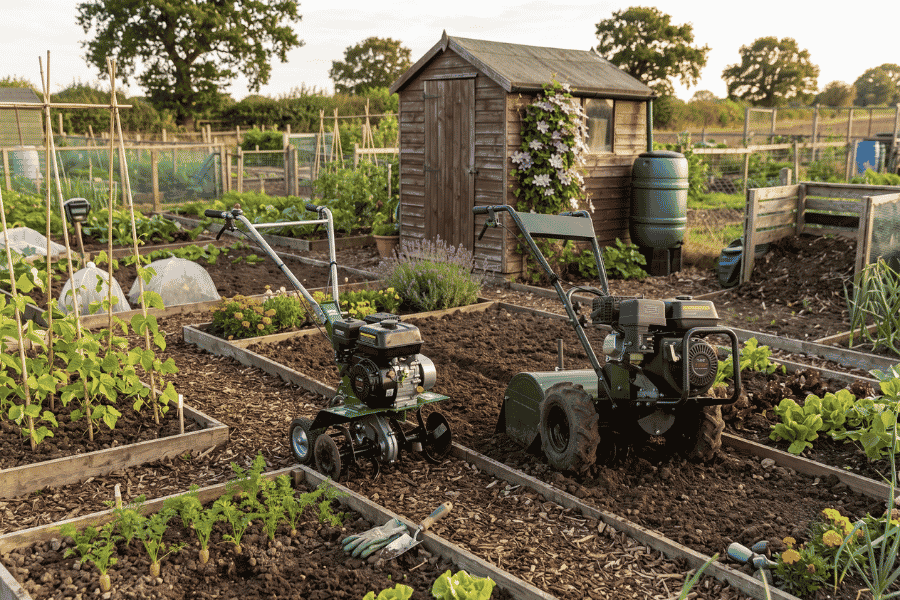
After spreading, mix the compost into the soil using a spade or garden fork. This ensures that nutrients reach the root zone and improve the soil’s moisture retention. Enriching the soil with compost not only feeds plants but also supports the beneficial microbes that promote healthy plant growth. This step lays the groundwork for a successful and productive gardening season.

Designing Your Garden Layout
Planning a garden layout involves choosing plants that suit the space and incorporating elements that enhance the outdoor experience. Selecting diverse plants and strategic outdoor features creates a year-round inviting environment.
Choosing the Right Plants
A well-designed garden features a mix of plants that bloom at varying times. Perennials are a great choice as they return each year, bringing reliability and charm to any garden. Adding shrubs can provide structure and form, creating depth and interest.
Consider light and shade areas. Some plants thrive in full sunlight, while others prefer shaded corners. Mixing these can create a balanced and healthy growth environment throughout the garden.
Think about colour and texture for visual interest. Combining various leaf shapes and flower colours adds layers to your design. Native plants often require less maintenance and attract local wildlife, bringing a natural feel to the outdoor space.
Incorporating Outdoor Elements
Incorporating well-chosen outdoor elements can elevate a garden. A water feature, such as a small pond or fountain, adds a calming sound and attracts wildlife. It can become a natural focal point, drawing the eye to its soothing presence.
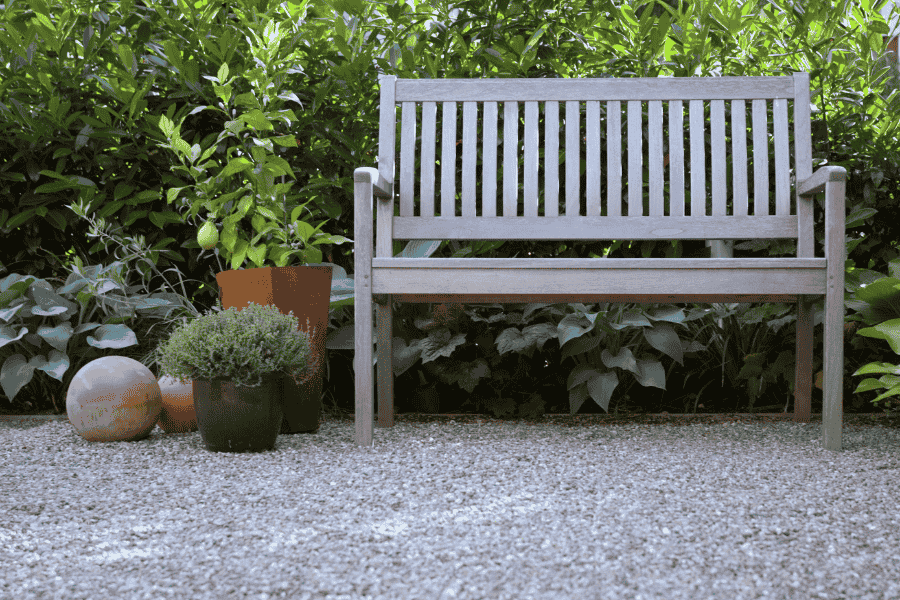
Consider installing benches or seating areas to encourage relaxing outdoor moments. Carefully positioned, they offer spots to enjoy the view, read a book, or simply unwind.
Paths and walkways guide visitors through the garden, creating a sense of exploration. Design these with practical materials that blend naturally with the surroundings. Including outdoor lighting can ensure the garden remains inviting even after sunset, highlighting key features and providing safety.
Seasonal Maintenance
Proper care throughout the year keeps a garden healthy and attractive. With the right approach, tasks like spring cleaning and maintaining a watering schedule simplify the process and boost the garden’s vitality.
Spring Cleaning Tips
Spring is the perfect time to revitalise your garden. Remove dead leaves and branches to allow new growth to flourish. Regular weeding prevents unwanted plants from robbing nutrients from your flowers and vegetables. Consider mulching to keep moisture in the soil and reduce weeds.
Make a plan for the growing season by identifying which areas of the garden need attention. Check for signs of pests or disease and take action as needed. By maintaining a clean and organised garden, each plant receives the care it needs to thrive.
Regular Watering Schedule
Creating a solid watering routine is vital for a flourishing garden. During the growing season, establish a schedule that suits the specific needs of your plants. Watering early in the morning is beneficial as it reduces evaporation, ensuring that moisture reaches the roots.
Pay attention to the weather; water more frequently during dry spells and reduce when rain is forecasted. Different plants require varying amounts of water, so tailor your schedule to include adequate hydration without overwatering. Using systems like drip irrigation can help distribute water effectively while conserving resources. Maintaining this balance keeps the garden thriving through each season.
Pest and Weed Control
Taking control of pests and weeds is key to maintaining a healthy garden. By focusing on non-chemical methods, your garden will thrive without unnecessary harm to the environment.
Managing Weeds
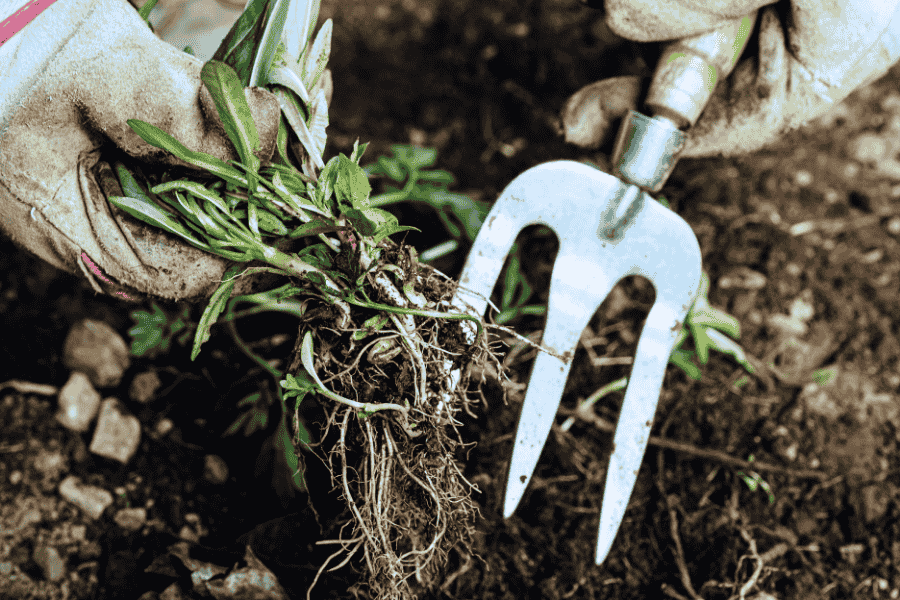
Weeds can quickly overshadow desired plants, so it’s vital to keep them in check. Regular hoeing or hand-pulling can be quite effective. For tougher areas, try mulching with organic materials like bark or straw, which starves weeds of sunlight.
Creating a plan for dealing with weeds early in the year prevents them from becoming overwhelming. Regular maintenance goes a long way. Choose non-invasive methods that won’t disturb your soil’s ecosystem or take up too much of your time.
Preventing Common Garden Pests
Garden pests such as slugs, aphids, and caterpillars can do significant damage if left unchecked. Introducing natural predators like ladybirds or birds can help keep these pests at bay. Encouraging birds is as simple as installing bird feeders or a birdbath.
Another approach is to use barriers like copper tape for slugs or netting for larger pests. Planting pest-repelling herbs such as mint or basil can also provide a fragrant, natural defence. These strategies maintain a balance without needing chemicals, allowing for a flourishing garden.