A well-maintained lawn is a source of pride for many British homeowners, but achieving that lush, green carpet often comes with pitfalls-one of the most common being over-fertilisation. While fertilisers provide essential nutrients like nitrogen, phosphorus, and potassium, excessive use can disrupt soil balance, harm grass health, and even damage local ecosystems. Recognising the signs early is key to preventing long-term damage and restoring your lawn’s vitality.
Over-fertilisation occurs when nutrients accumulate beyond what the grass can absorb, leading to chemical imbalances and “fertiliser burn.” This issue is particularly prevalent among DIY gardeners who may misjudge application rates or overlook soil testing. In the UK, where weather patterns and soil types vary regionally, understanding how to diagnose and treat over-fertilisation becomes even more important.
This article explores the symptoms of an over-fertilised lawn, explains the environmental implications, and offers practical steps for recovery. By learning to identify these signs and adopting sustainable practices, you can ensure your lawn remains healthy and resilient.
Understanding Over-Fertilisation
Fertilisers are designed to supplement soil nutrients, promoting dense growth and vibrant colour. However, when applied excessively, they introduce high concentrations of salts and chemicals that grass roots struggle to process. This overload disrupts the soil’s natural microbiome, which is essential for nutrient absorption and disease resistance.
In the UK, over-fertilisation often stems from using quick-release formulas or applying fertiliser during unsuitable weather, such as dry spells. Heavy rainfall can exacerbate the problem by washing excess nutrients into waterways, contributing to pollution
Key Symptoms of Over-Fertilisation
Below is 5 common symptoms of grass over-fertilisation:
1. Discoloured or “Burnt” Grass Blades
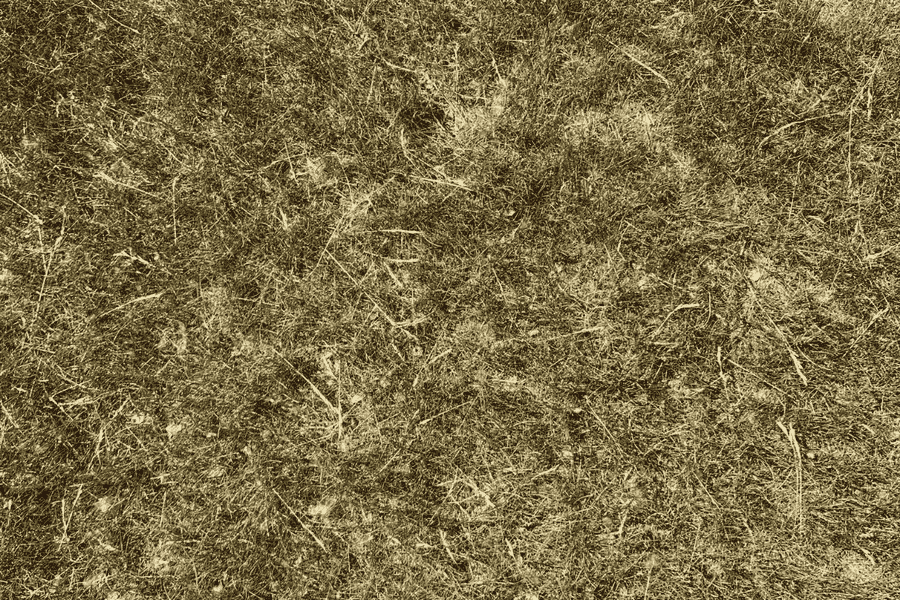
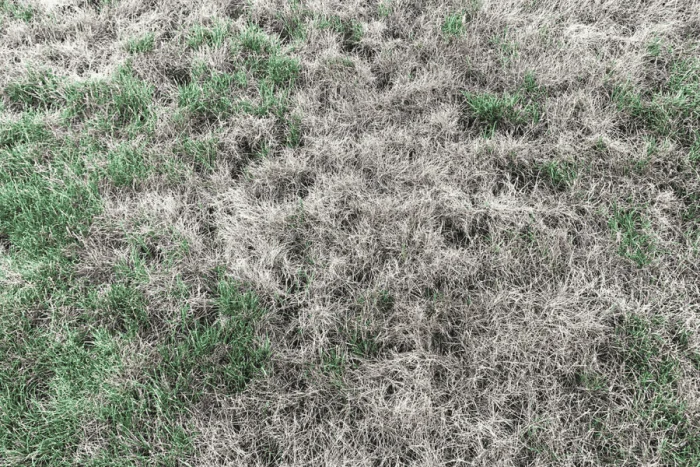
One of the earliest signs is yellow or brown grass blade tips resembling scorch marks. This occurs when high salt concentrations in fertilisers draw moisture from the grass, causing dehydration. In severe cases, entire patches may turn brown and die.
2. Excessive Thatch Buildup
Over-fertilisation can accelerate grass growth, leading to a thick layer of dead organic matter (thatch) between the soil and grass. This layer prevents water, air, and nutrients from reaching the roots, further stressing the lawn.
3. Stunted or Uneven Growth
Paradoxically, too much fertiliser can halt growth rather than encourage it. Nutrient imbalances may cause some areas to grow rapidly while others stagnate, creating a patchy appearance. Roots may also become brittle and shallow, reducing drought resistance.
4. Visible Salt Crusts or Residue
A white, powdery crust on the soil surface indicates undissolved fertiliser salts. This residue often appears after watering and signals that the soil is saturated with nutrients it cannot absorb.
5. Increased Weed and Pest Activity
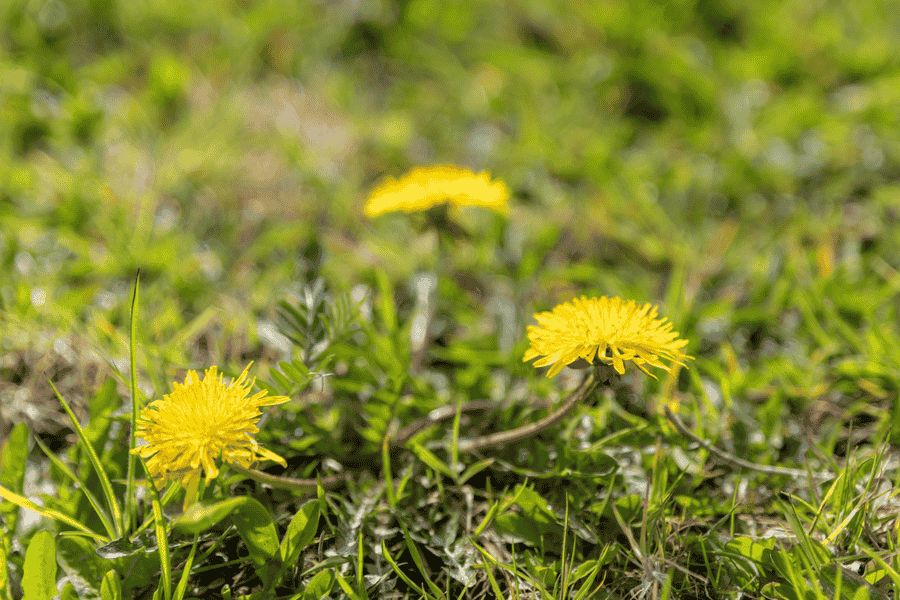
Weeds such as clover and dandelions thrive in nitrogen-rich environments, often outcompeting stressed grass. Similarly, weakened lawns are more susceptible to pests like leatherjackets and fungal diseases .
Environmental and Long-Term Consequences
Over-fertilisation doesn’t just harm your lawn, it impacts the broader ecosystem. Excess nutrients, particularly nitrogen and phosphorus, can leach into rivers and streams, causing algal blooms that deplete oxygen levels and harm aquatic life. In the UK, this issue has led to stricter regulations on fertiliser use in agricultural and residential settings.
Soil health also suffers. High salt concentrations disrupt microbial activity and alter pH levels, making it harder for grass to absorb nutrients over time. Compacted soil, common in urban British gardens, exacerbates these issues by preventing proper drainage.
Steps to Restore an Over-Fertilised Lawn
1. Stop Fertiliser Applications Immediately
Cease all fertiliser use to prevent further damage. Allow the lawn to recover naturally for at least 6–8 weeks before considering a balanced, slow-release product.
2. Flush the Soil with Water
Water the lawn deeply to dilute and wash away excess salts. Aim for 2-3 soakings per week, ensuring water penetrates at least 15 cm into the soil. Avoid overwatering, as this can lead to waterlogging in clay-heavy UK soils.
3. Aerate and Remove Thatch
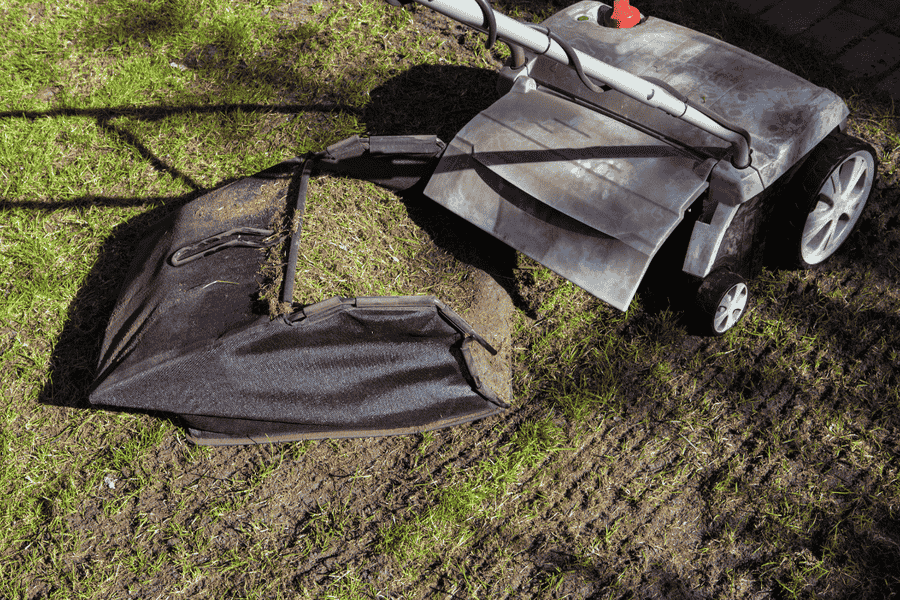
Use a garden fork or mechanical aerator to perforate the soil, improving airflow and drainage. Rake out dead grass and thatch to reduce compaction and encourage new growth.
4. Conduct a Soil Test
Test your soil’s pH and nutrient levels using a kit from a garden centre. This will help you tailor future fertiliser applications to your lawn’s specific needs, avoiding guesswork.
5. Overseed Damaged Areas
Once the soil recovers, reseed bare patches with a hardy grass variety suited to the UK climate, such as perennial ryegrass or fescue. Lightly top-dress with compost to protect seeds and improve soil structure.
Preventing Future Over-Fertilisation
Choose Slow-Release Fertilisers: These products gradually release nutrients, reducing the risk of salt buildup.
Follow Seasonal Guidelines: Fertilise in early spring and autumn when grass is actively growing. Avoid applications during hot, dry summers.
Calibrate Spreading Equipment: Ensure your spreader distributes fertiliser evenly. Uneven application can lead to localised over-fertilisation.
Conclusion
Over-fertilisation is a reversible issue if addressed promptly. By recognising symptoms like burnt grass tips, thatch buildup, and salt residue, British gardeners can take swift action to restore their lawns. Prioritising soil health, using slow-release products, and adhering to seasonal guidelines will help maintain a balanced, vibrant lawn year-round. Remember, a thriving garden isn’t just about feeding your grass-it’s about nurturing the entire ecosystem beneath your feet.