Imagine finishing a beautiful new lawn installation, only to watch your first footsteps sink deep into the softened soil, leaving uneven depressions across what should be a smooth, professional-grade surface. Or picture trying to achieve those iconic Wimbledon stripes on a lawn that is more lumpy bowling green than pristine turf. This is where the humble lawn roller enters the story, a tool surrounded by both reverence and controversy among British gardeners.
What looks like a simple metal drum filled with water or sand actually represents a nuanced landscaping decision that can make or break your lawn’s health and appearance. While a high percentage of professional landscapers keep rollers in their arsenal, misuse causes more lawn problems than it solves. The secret lies in understanding precisely when this tool helps rather than harms, especially across Britain’s diverse soil types from heavy clay to sandy coastal grounds.
The Quick Answer
A lawn roller is a heavy cylinder (typically filled with water or sand) that is rolled across grass to level uneven terrain, settle newly laid turf, and create a smooth surface for sporting grounds. However, it is not a universal solution. Overuse compacts soil, suffocates roots, and creates drainage problems. Proper use requires careful timing (during spring levelling or after autumn aeration) and soil specific weight adjustments to avoid damaging your lawn’s ecosystem.

The Anatomy of a Lawn Roller: More Than Just a Heavy Cylinder
At first glance, lawn rollers seem simple, but their design variations serve distinct purposes. The traditional water-filled roller remains the garden favourite, allowing adjustable weight by varying water levels. This is crucial for delicate grasses like fescues versus tougher sports fields. Sand-filled models provide consistent weight but lack adjustability, while hollow rollers offer permanent weight for professional groundskeeping.
The most innovative development comes with tow-behind models that attach to ride-on mowers, saving time for larger properties. Meanwhile, British manufacturers like Spectrum, Webb, and Mountfield have introduced composite rollers that combine weight with slight texture, providing gentle consolidation without severe compaction. The handle design matters too. Ergonomic models reduce back strain during those long spring rolling sessions.
When Rolling Actually Helps: The Right Reasons to Use One
Levelling After Winter Frost Heave
Britain’s freeze-thaw cycles create notorious lawn lumpiness each spring. As soil expands and contracts, it pushes rocks and debris upward, creating tripping hazards and uneven mowing surfaces. A lightweight roller (⅓ filled) is used when the soil is moderately moist, not saturated, and can gently press these obstructions back to grade without excessive compaction. This should always be followed by overseeding bare spots, as some grass inevitably suffers during the process.
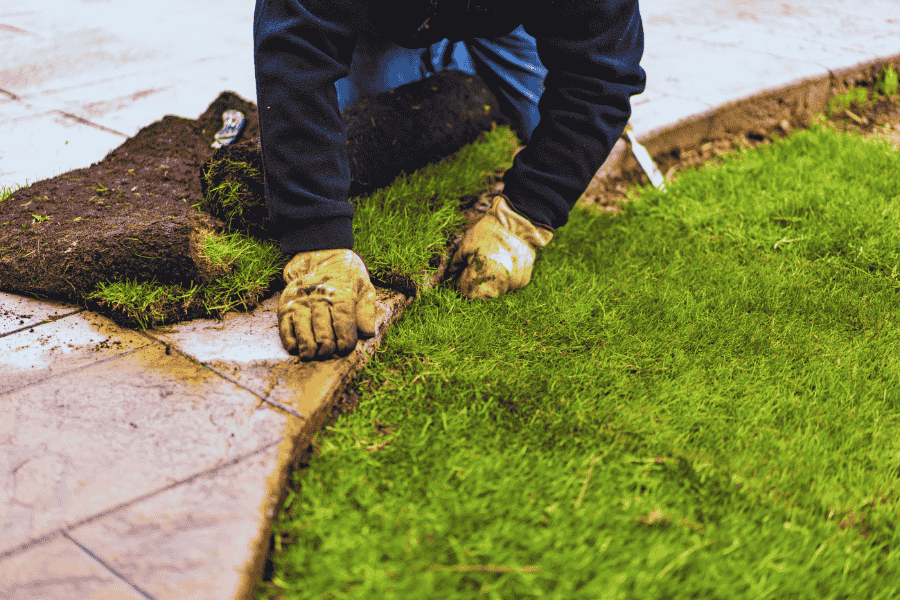
Settling New Turf or Seed
After laying fresh turf or sowing grass seed, a roller provides the crucial soil-to-root contact that ensures successful establishment. The weight eliminates air pockets that dry out roots, while pressing seeds into the soil microenvironment they need for germination. We recommend using rollers specifically designed for new lawns, which typically weigh 25 30% less than standard models.
Creating Sports Surfaces
For cricket creases, bowling greens, or tennis courts, rollers create the firm, predictable surfaces needed for true ball bounce. The England and Wales Cricket Board recommends a gradual weight increase rolling over 7-10 days before the season starts, allowing grass to adapt to increasing pressure. This specialised use represents perhaps the most justifiable regular rolling application.
Preparing for Major Events
From garden parties to weddings, sometimes you need instant lawn perfection. A single light rolling 48 hours before events can provide that manicured appearance without long-term damage. Think of it as lawn ironing for special occasions.
The Dark Side of Rolling: When This Tool Becomes a Weapon
Soil Compaction Catastrophes
Heavy rollers on clay soils create concrete-like surfaces where water pools and grass suffocates. The Royal Horticultural Society identifies soil compaction as the primary cause of 40% of lawn failures in new builds, where poor subsoil preparation combines with inappropriate rolling. Once compressed, soil particles lose the air pockets that roots need for oxygen and water movement, creating an anaerobic environment where only moss and weeds thrive.
Drainage Destruction
Each pass of an overweight roller compresses the natural drainage channels created by earthworms and previous aeration. On already problematic sites, this can turn damp areas into permanent bogs. Homeowners often mistakenly roll wet lawns to “smooth” them, achieving the opposite effect by creating impermeable layers that exacerbate waterlogging.
Root Damage and Thatch Build Up
As rollers compress soil, they shear delicate surface roots and rhizomes that grasses use for lateral spread. This damage stimulates plants to protect themselves by producing more thatch, the dense organic layer that prevents water and nutrient penetration. The cycle becomes self-perpetuating. More rolling causes more thatch, which requires more aggressive maintenance, including more rolling.
The Professional’s Approach: How Landscape Experts Use Rollers
Soil Assessment First
Before touching a roller, conduct a simple soil test. The screwdriver test remains the gold standard. If you cannot easily push a screwdriver 15cm into your lawn, the soil is too compacted for rolling. Similarly, the percolation test (measuring how long water takes to drain from a 15cm hole) determines whether rolling might worsen drainage issues.
The Weight Formula
Experts calculate roller weight based on soil type and grass purpose. For general lawn maintenance: Sandy soils tolerate 50 70kg rollers, loams 40 60kg, and clays only 30 50kg. Sports surfaces may use progressively heavier weights up to 120kg for final compaction. The telltale sign of proper weight? The roller should not leave visible compression marks after passing.
Timing Is Everything
Professional groundskeepers roll only when soil moisture is at “field capacity”, damp but not waterlogged. The simple test: grab a handful of soil. If it holds together lightly without dripping water, it is ready. If it crumbles, it is too dry; if it squishes, it is too wet. This typically occurs 2-3 days after significant rainfall in spring or autumn.

The Verdict: To Roll or Not to Roll?
After weighing evidence from horticultural experts and landscape professionals, the balanced answer emerges. Lawn rollers serve specific, limited purposes but should not be routine lawn care tools. For settling new turf, preparing sports surfaces, or occasional levelling after frost heave, they remain invaluable. For general lawn maintenance, however, they often cause more problems than they solve.
The future of lawn care lies in understanding soil ecology, recognising that healthy lawns require loose, well-aerated soil rather than compressed surfaces. As British gardeners become more sophisticated about soil health, roller manufacturers have responded with lighter, more adjustable models that minimise damage while providing the specific benefits professionals need.
Conclusion
The lawn roller embodies gardening’s broader philosophy. The right tool, used at the right time, in the right way, produces magnificent results. Used indiscriminately, it becomes an instrument of destruction. As British gardening evolves toward more ecological approaches, the roller’s role becomes more specialised but no less important for specific applications.
For homeowners, the message is clear. Understand your soil type, assess your actual needs, and never roll out of habit rather than necessity. When in doubt, consult professionals like those at Compass Garden Machinery who can recommend whether your lawn would benefit from rolling or whether alternative approaches might serve better. Your grass’s health and your back will thank you for the thoughtful approach.