Overgrown gardens, dense vegetation, and unruly undergrowth present significant challenges that standard lawn mowers and trimmers simply cannot address effectively. Property owners across the UK frequently encounter areas where brambles, thick grass, woody weeds, and small saplings have taken hold, creating unsightly patches that resist conventional garden maintenance equipment. Understanding brushcutters and their capabilities helps transform overwhelming clearance projects into manageable maintenance tasks that restore gardens and grounds to attractive, usable conditions.
Modern property owners seek powerful, versatile solutions that handle diverse vegetation challenges whilst remaining practical for occasional use and varied terrain conditions. The key lies in understanding brush cutter characteristics, applications, and selection criteria that match specific clearance requirements with appropriate equipment capabilities.
The Quick Answer
A brush cutter is a powerful handheld or wheeled cutting tool designed to clear dense vegetation, including thick grass, brambles, small trees, and woody undergrowth that standard lawn mowers cannot handle, using metal blades or heavy-duty cutting heads mounted on robust engines that deliver the power necessary for demanding vegetation management tasks.
Understanding Brush Cutter Fundamentals
What Defines a Brush Cutter
Brush cutters represent the heavy-duty category of vegetation management equipment, distinguished from standard strimmers and lawn mowers by substantially more powerful engines and robust cutting systems designed specifically for difficult vegetation. These tools utilise petrol engines typically ranging from 25cc to 52cc that generate the torque and sustained power required to cut through woody stems and dense vegetation without stalling or overheating.
The cutting mechanism employs metal blades rather than nylon line, with blade options including circular saw-style discs, multi-point star blades, and specialised brush knives that slice through tough vegetation cleanly and efficiently. This blade-based approach provides the cutting force necessary to tackle vegetation that would simply wrap around or break conventional trimmer line.
Professional-grade construction featuring reinforced drive shafts, heavy-duty gearboxes, and robust handles ensures brush cutters withstand the significant vibration and stress generated during heavy vegetation cutting without mechanical failure or operator fatigue.
Brush Cutter vs Other Garden Tools
Standard lawn mowers work effectively on maintained grass areas but lack ground clearance, cutting power, and manoeuvrability for overgrown or uneven terrain where vegetation height and density exceed normal lawn conditions. Mowers become easily clogged or damaged when confronting the vegetation types that brush cutters handle routinely.
Garden strimmers excel at lawn edging and light grass trimming but employ nylon cutting line that breaks or wears rapidly when encountering woody vegetation, thick grass stems, or dense undergrowth. The lower-powered engines in most strimmers cannot sustain cutting performance when facing the resistance presented by serious overgrowth.
Brush cutters bridge the gap between standard garden maintenance tools and professional forestry equipment, providing homeowners and groundskeepers with practical solutions for vegetation management tasks that exceed conventional tool capabilities without requiring tractor-mounted or industrial-scale equipment.

Types and Configurations
Handheld Brush Cutters
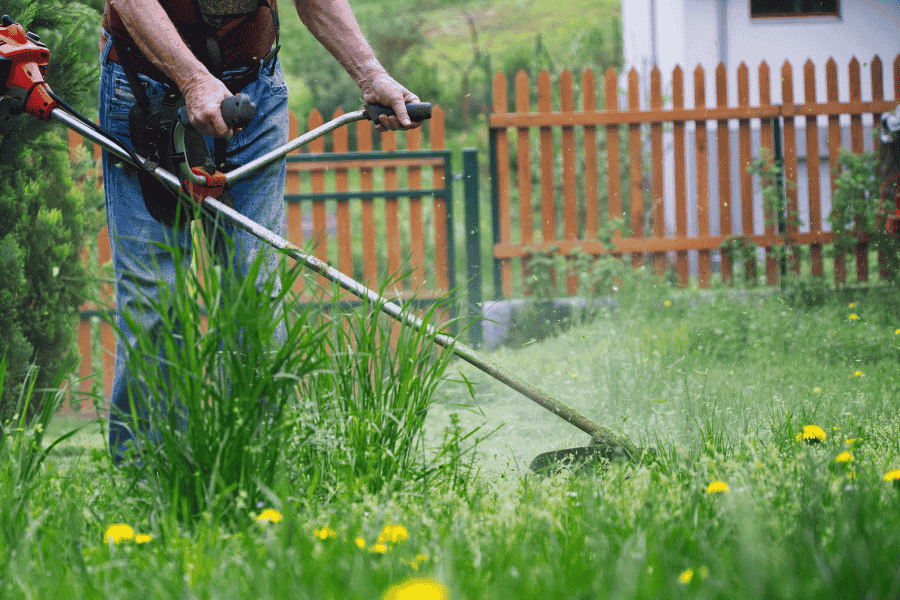
Portable handheld models represent the most common brush cutter configuration, featuring petrol engines mounted on long shafts with handlebar controls and harness systems that distribute weight across the operator’s shoulders and torso. These tools provide excellent manoeuvrability for working around obstacles, on slopes, and in confined areas where wheeled equipment cannot operate effectively.
Engine sizes typically range from 25cc for lighter residential use to 52cc for professional applications, with larger engines providing greater cutting power but increased weight and fuel consumption. Consider your physical capabilities and intended vegetation types when selecting engine capacity for handheld models.
Harness systems including shoulder straps, back plates, and quick-release mechanisms prove essential for comfortable operation during extended use, transferring weight from arms and back to stronger leg and torso muscles whilst allowing rapid tool release in emergency situations.
Wheeled Brush Cutters
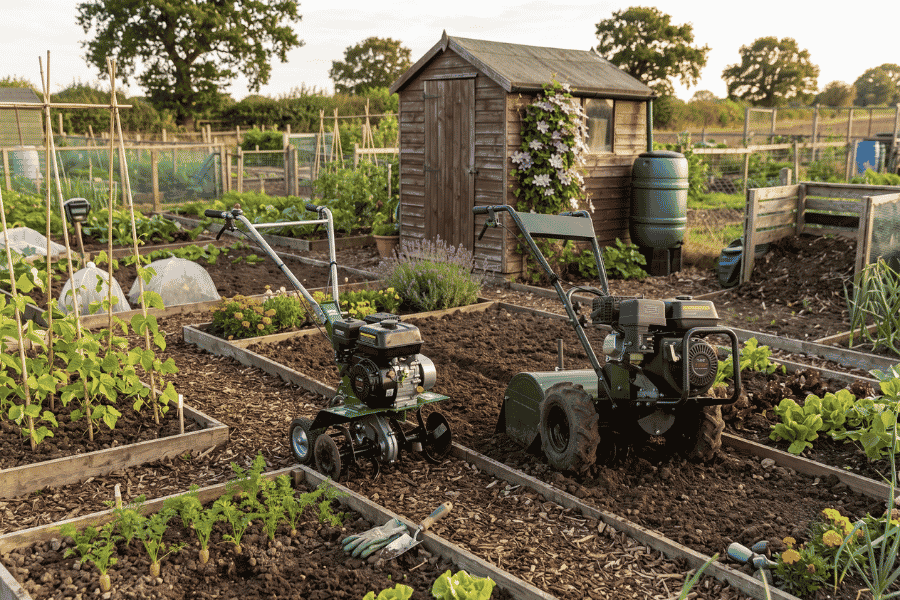
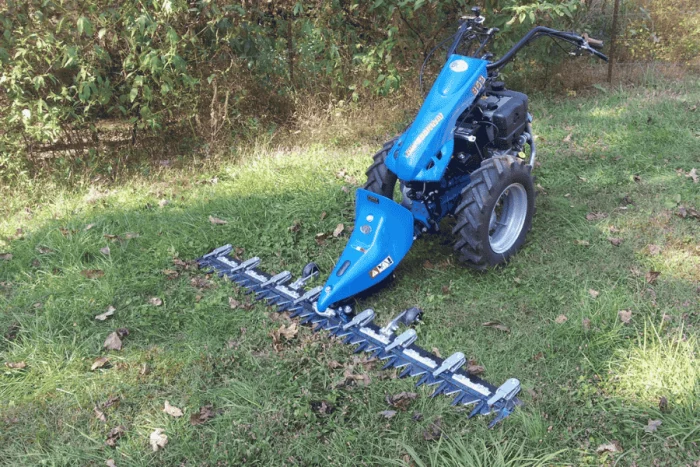
Self-propelled wheeled models offer advantages for larger properties and extensive clearance projects where terrain allows wheeled equipment operation. These machines feature larger engines, wider cutting paths, and wheeled mobility that reduces operator fatigue whilst increasing productivity across open areas.
Walk-behind configurations provide stability on moderate slopes and uneven ground whilst delivering cutting performance that significantly exceeds handheld models for large-scale vegetation management. These units work particularly well for maintaining paddocks, overgrown lawns, and rural property boundaries.
Key Components and Features
Cutting Heads and Blades
Blade selection significantly impacts brush cutter performance and application suitability. Circular saw blades with multiple teeth work effectively on woody vegetation and small trees, providing aggressive cutting action that powers through stems up to several centimetres in diameter.
Brush knives featuring two, three, or four cutting edges excel at general vegetation clearance including thick grass, brambles, and mixed undergrowth, offering balanced performance across diverse vegetation types without specialising in any particular application.
Engine and Power Systems
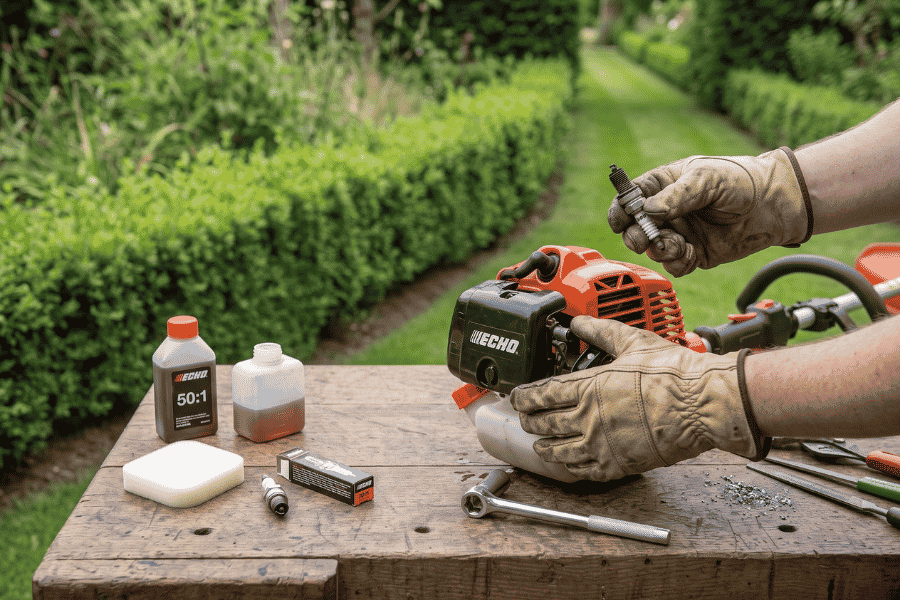
Two-stroke petrol engines dominate the brush cutter market due to their excellent power-to-weight ratio, simple construction, and reliable performance under demanding conditions. These engines require mixed fuel combining petrol and two-stroke oil in specific ratios, typically 50:1 for modern models.
Four-stroke engines offer improved fuel efficiency, lower emissions, and quieter operation compared to two-stroke alternatives, though with increased weight and mechanical complexity that may affect reliability and maintenance requirements for intensive use applications.
Battery-powered brush cutters have emerged as viable options for lighter vegetation management tasks, offering emission-free operation and reduced noise levels, though with limited runtime and cutting power compared to petrol equivalents.
Applications and Uses
Residential Garden Maintenance
Overgrown lawn restoration represents a primary residential application where brush cutters excel at cutting down neglected grass areas to manageable heights before resuming normal mowing schedules. This capability proves invaluable for holiday homes, inherited properties, or gardens recovering from periods of neglect.
Border and hedge bottom clearance removes the accumulation of grass, weeds, and debris that accumulates where mowers cannot reach effectively, creating clean transitions between lawn areas and planted borders, fences, or hedge bases.
Rural and Agricultural Applications
Paddock maintenance and pasture management use brush cutters to control aggressive weeds, clear scrubland, and maintain fence lines where livestock grazing alone cannot prevent vegetation encroachment. Regular brush cutting prevents woody plants establishing whilst maintaining productive grassland conditions.
Conservation management including nature reserve maintenance, meadow management, and habitat restoration relies on brush cutters for selective vegetation control that preserves desirable plant species whilst removing invasive or problematic growth.

Selection Considerations
Matching Power to Requirements
Light residential use including occasional overgrowth clearance and garden maintenance suits brush cutters in the 25-30cc range that provide adequate power for typical garden vegetation whilst minimising weight, fuel consumption, and purchase cost for users requiring occasional rather than intensive use.
Regular homeowner applications including larger properties, frequent use, or moderately heavy vegetation benefit from mid-range models of 30-40cc that balance cutting performance with manageable weight and running costs for users expecting regular seasonal use.
Professional and intensive use demands brush cutters of 40cc and above that deliver sustained cutting power, durability under continuous operation, and the performance necessary for commercial applications where productivity and reliability justify premium equipment investment.
Terrain and Vegetation Considerations
Flat, open areas allow wheeled brush cutter options that reduce operator fatigue whilst increasing cutting efficiency across larger spaces where terrain permits wheeled equipment operation without excessive obstacles or extreme slopes.
Sloped and uneven ground requires handheld models that maintain manoeuvrability and safety on terrain where wheeled equipment becomes unstable or ineffective, with harness systems proving essential for comfortable operation during extended use on challenging topography.
Conclusion
Brush cutters provide essential vegetation management capabilities for tackling overgrown areas, dense undergrowth, and woody vegetation that exceeds standard garden tool capabilities. Select appropriate engine sizes and blade configurations matching your specific vegetation types and terrain conditions, with handheld models offering manoeuvrability for varied landscapes and wheeled options increasing efficiency across open ground. Understanding the distinction between brush cutters and conventional garden equipment ensures proper tool selection for demanding clearance tasks whilst maintaining safety and operational effectiveness throughout vegetation management projects.