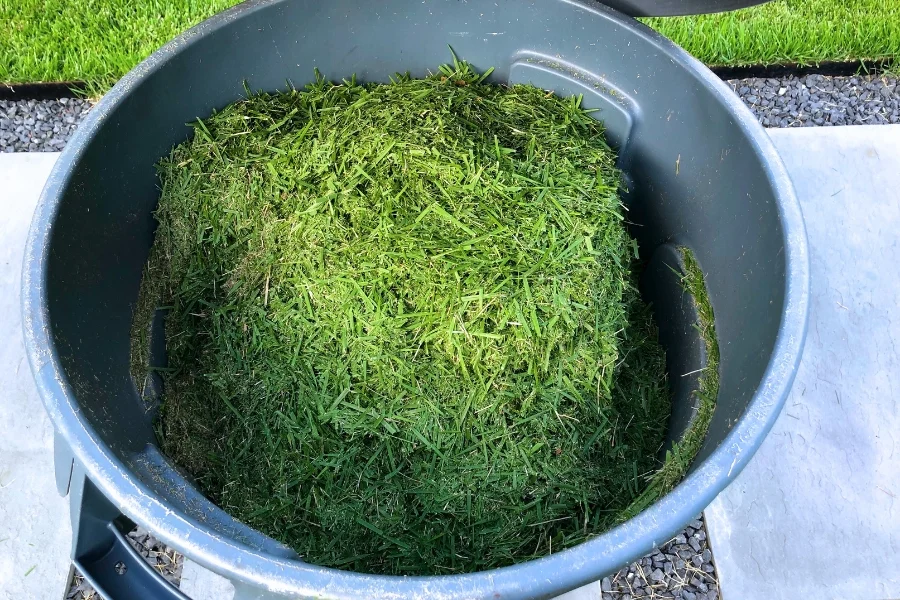
Deciding whether to bag grass clippings when weeds are involved is a common dilemma for many homeowners. Bagging your grass clippings can reduce the spread of weed seeds across your lawn, making it a safer option for those worried about weeds taking over. Not only does this action remove the visible weeds, but it also helps in managing seeds that could cycle back into the lawn and contribute to the problem.
Leaving grass clippings on the lawn can offer benefits, as these clippings decompose and return nutrients back to the soil. This can enhance lawn health naturally. Yet, with the presence of weeds, this practice might inadvertently support their growth too. It’s a decision that hinges on balancing the benefits of nourishing the lawn and the risk of propagating unwanted weeds.
For those uncertain about identifying specific weeds, bagging may be the wiser choice. It provides a level of control, especially with more aggressive weeds like crabgrass that tend to spread quickly. By keeping these clippings out of the lawn, you give it a fighting chance at staying lush and green, without unwanted intruders taking root.
Understanding Grass Clippings and Lawn Health
Grass clippings can play a significant role in maintaining lawn health. While leaving them on the lawn can offer natural benefits, there are also potential drawbacks to consider based on specific lawn conditions.
Benefits of Leaving Grass Clippings on the Lawn
When left on the lawn, grass clippings act as a natural mulch. This helps keep the soil moist, reducing the need for frequent watering. As the clippings break down, they add organic matter to the soil, enhancing soil structure and health.
Clippings are rich in nitrogen and other nutrients. They serve as a natural fertiliser, slowly releasing these nutrients back into the soil. This can decrease the need for chemical fertilisers, making it an environmentally friendly choice. Additionally, leaving clippings on the lawn can reduce the time and effort involved in bagging and disposing of them, streamlining lawn maintenance.
Potential Drawbacks and Considerations
While leaving clippings can benefit the lawn, there are times when it might not be ideal. For instance, if the grass is too long or the clippings are wet, they can clump together, potentially suffocating the lawn. This can lead to patches of dead grass and negatively impact soil health.
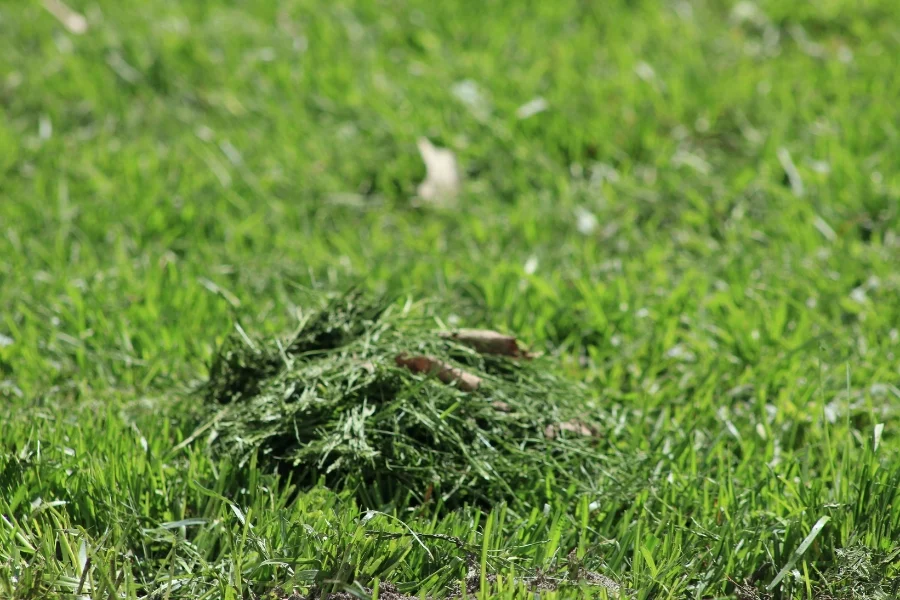
In lawns with weeds, leaving clippings could help spread weed seeds, posing a risk to lawn health. Therefore, bagging might be preferable in such situations to control weed spread.
Another consideration is the aesthetic appeal of the lawn. Some people prefer the clean look that results from bagging clippings after mowing. Therefore, the choice largely depends on individual lawn conditions and personal preferences.
The Impact of Weeds on Your Lawn
Weeds can compete with grass for vital resources like sunlight, water, and nutrients, turning a lush lawn into a patchy, uneven landscape. Tackling weeds is key for a healthy lawn environment, as they can also harbour diseases that affect grass health.
Identifying Common Weeds
Identifying weeds in your lawn is the first step to controlling them. Dandelions are a familiar sight with their unmistakable yellow flowers and fluffy white seed heads. Creeping Charlie, known for its scalloped leaves and purple blossoms, often spreads through shaded areas. Ragweed can cause aggravation for allergy sufferers with its pollen.
Purslane is another common invader, recognisable by its thick, succulent leaves. Clover can be spotted with its trifoliate leaf clusters and small white or pink flowers. Recognising these weeds will help you decide whether bagging grass clippings is necessary to avoid spreading their seeds.
How Weeds Spread and Affect Lawn Care
Weeds spread in various ways, making them a persistent problem for lawns. Many weeds like dandelions and ragweed produce numerous seeds that are dispersed by the wind. Other types, such as creeping Charlie and clover, spread through stolons or rhizomes, rapidly taking over turf.
When weeds proliferate, they sap nutrients from the soil, weakening grass and potentially welcoming lawn diseases. Herbicides can help control weeds, but not every homeowner wants this chemical solution. Bagging grass clippings, particularly when weeds have set seed, can minimise their spread. By understanding how weeds infiltrate lawns, gardeners can better manage their yard care strategies.

Optimal Mowing Practices
Maintaining a lush, green lawn requires careful attention to mowing habits. Proper mowing height and frequency, along with selecting the right lawn mower, play key roles in improving lawn health, controlling weeds, and reducing the need for additional lawn maintenance.
Mowing Height and Frequency
The height at which grass is cut can affect its health and appearance. For most types of grass, like fescue and bluegrass, a cutting height of about 2.5 to 3.5 inches is advisable. Keeping the grass at this height helps shade the soil.
This shading slows down weed growth and reduces water evaporation, which is great for the grass’s root system. Mowing frequently is also important. Grass should be cut regularly enough that only about one-third of the blade is trimmed at a time. This practice, known as “grasscycling,” leaves trimmed blades that decompose quickly, returning valuable nutrients back to the soil.
Choosing the Right Lawn Mower
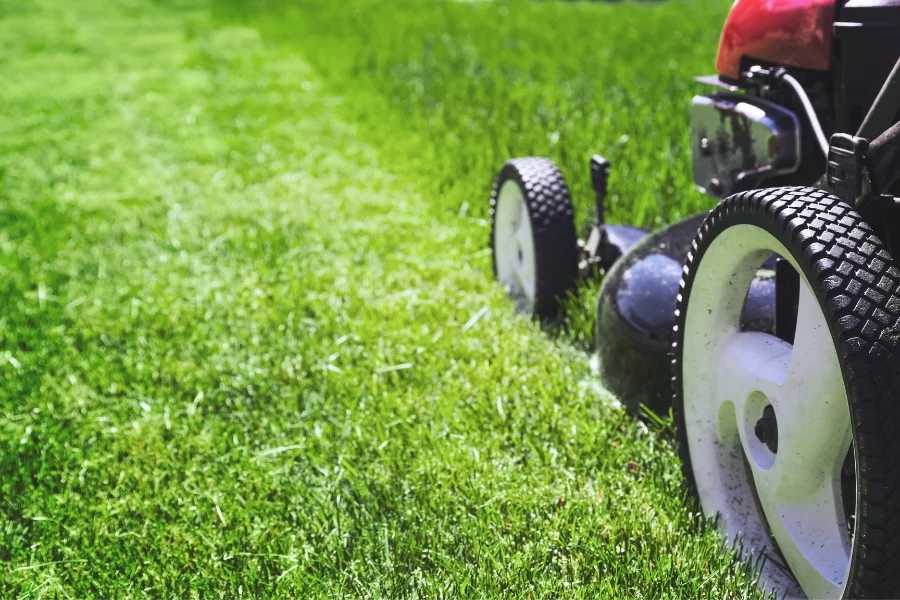
The type of lawn mower you choose can greatly impact mowing efficiency and quality. For small to medium-sized lawns, a rotary or reel mower works well. These mowers cut grass cleanly, promoting better turfgrass health.
For larger areas, a power mower may be needed. Mulching mowers are useful as they chop clippings into tiny pieces and return them to the lawn as organic matter. Users benefit from saving time and effort by letting decomposed grass clippings naturally fertilise the lawn. Ensure the mower blades are sharp, too. Sharp blades deliver a clean cut, reducing lawn stress and potential disease problems.
Composting and Clipping Disposal
Choosing how to handle grass clippings involves considering their impact on compost and the environment. Composting and alternative uses can enrich soil while offering eco-friendly disposal options.
How to Compost Grass Clippings
Grass clippings are great for composting. They add nitrogen, which helps compost break down faster. To start, find a spot in your garden for a compost bin. Make sure it’s on level ground to allow for proper drainage.
When adding clippings to the compost, mix them with dry leaves or straw. This balance of green and brown material prevents the pile from becoming too wet or smelly. Shredding the materials with a lawn mower can speed up decomposition.
Grass should be added in thin layers to stop it from clumping together. Stir the compost regularly to keep it aerated. Turning the compost with a pitchfork every few weeks will help it break down evenly and quicker. Within a few months, you’ll have rich soil ready to nourish your garden.
Alternative Uses for Grass Clippings
If composting isn’t an option, clippings can still benefit your garden. Mulching is a great alternative. When left on the lawn, clippings decompose, returning nutrients to the soil. They help maintain moisture and reduce the need for additional fertilisers.
Another option is using a lawn sweeper to gather clippings for use in garden beds as mulch. They help suppress weeds and keep the soil cool.
Some people also use clippings to make liquid fertiliser or “grass tea.” Simply soak clippings in water for a few days and use the mixture on plants. Proper disposal or reuse of clippings can improve garden health and maintain curb appeal.