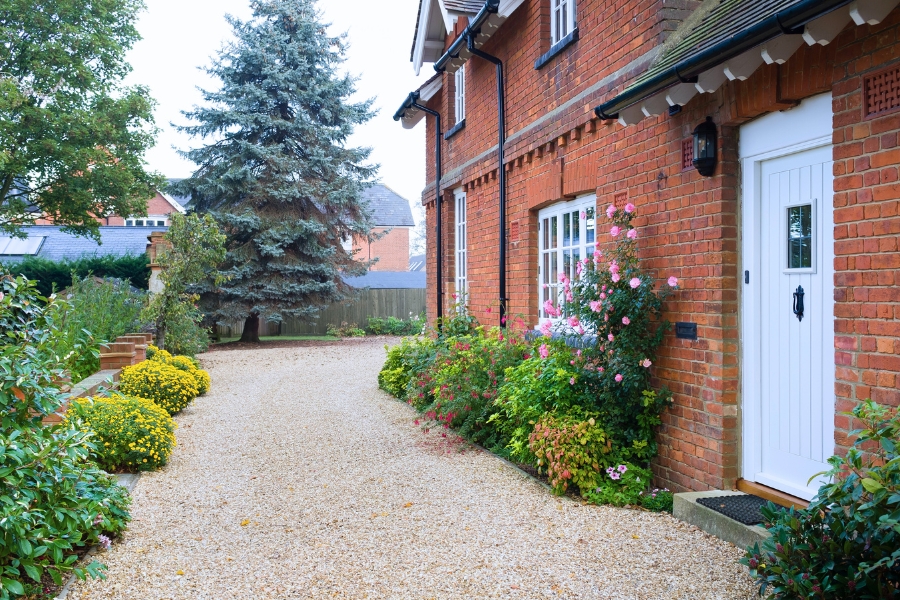
Gravel driveways can add a stylish and low-maintenance appeal to a home, but pesky weeds often find their way through the gaps, creating an eyesore. The simplest method for eliminating weeds in gravel driveways is to use boiling water, which can kill them instantly. This quick fix, coupled with a regular maintenance schedule, can keep gravel looking pristine and weed-free.
Many people prefer gravel because it requires less upkeep compared to a traditional lawn or paved driveway. That said, recurring weeds can still be a nuisance. Understanding the types of weeds and using a mix of strategies such as mechanical, cultural, and chemical methods can offer a more comprehensive solution. Combining these approaches with alternative techniques ensures that the gravel remains attractive and functional.
Gravel driveways not only require effective weed management but also benefit from preventive measures to keep these unwanted plants from regrowing. By incorporating simple steps into your routine, like removing debris and applying the occasional weed killer, maintaining a tidy outdoor space becomes much more achievable. Readers invested in preserving their driveways will find these strategies both practical and efficient.
Key Takeaways
- Boiling water instantly kills weeds on gravel.
- Multiple strategies help tackle recurring weed issues.
- Regular prevention keeps driveways clean.
Understanding Weeds in Gravel Driveways
Gravel driveways are often prone to weed growth, making maintenance a challenge. Some weeds are minor nuisances, while others can disrupt the beauty of the driveway. Knowing the common types of weeds and their growth cycles is invaluable for effective control.
Types of Weeds Commonly Found
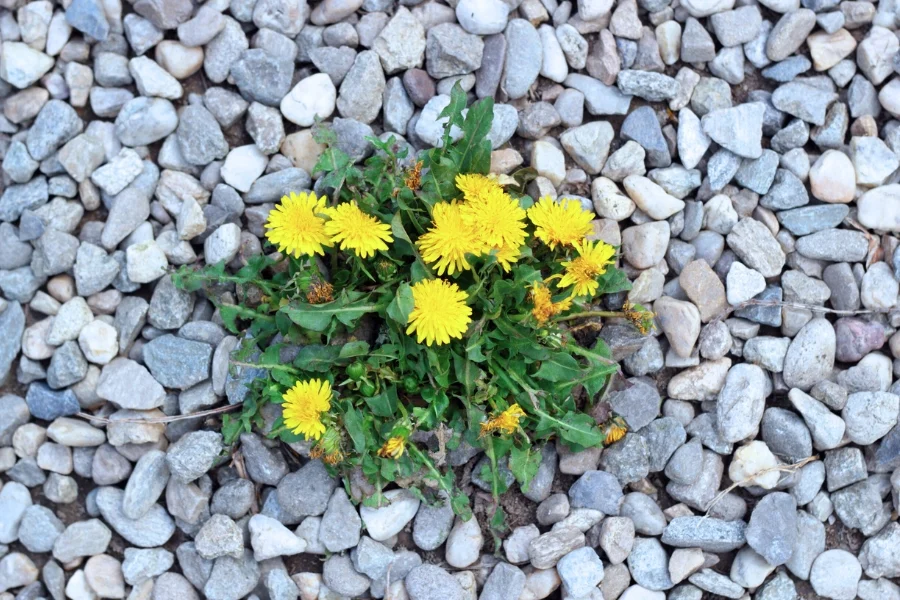
Gravel driveways see a variety of weed types, each with its own traits. Dandelions, with their bright yellow flowers, are pervasive. They spread through both seeds and roots. Chickweed is another frequent visitor, thriving in cooler months, and comes with small, delicate white flowers.
Crabgrass, usually appearing in summer, can quickly dominate an area if left unchecked. Henbit adds to the list, with its purple flowers appearing in early spring. These weeds exploit cracks and gaps in the gravel, making them hard to eradicate without persistence.
The Life Cycle of Perennial Weeds
Perennial weeds such as dandelions and henbit present ongoing challenges. They survive through multiple seasons, unlike annuals that die off in colder months. These weeds often have deep, strong root systems, making them resilient and tough to remove permanently.
Perennials typically go through a growth phase in spring, flower in summer, and produce seeds for the next generation. Understanding their life cycle helps in timing interventions, like uprooting or applying treatments when they’re most vulnerable, often early in their growth phase. Knowing the stages can be pivotal in reducing their spread, ensuring the gravel driveway stays clear.
Mechanical and Cultural Weed Control
When trying to manage weeds in a gravel driveway without chemicals, it’s important to use methods like physically removing weeds and preventing them from growing in the first place. This section will explore techniques such as hand weeding, using barriers, and preventive strategies.
Hand Weeding and Hoeing
Hand weeding is a straightforward method and involves pulling weeds directly from the gravel. It is most effective when weeds are young and the soil is moist. This allows easy removal of the root, which helps prevent regrowth.
Using a hoe can also be effective. By cutting weeds at the base, the regrowth can be slowed, especially in gravel where full root extraction might be challenging. Hand tools are often beneficial for dealing with small areas or isolated weeds.
Utilising Weed Barriers and Membranes
Weed barriers or membranes are effective for long-term weed control. These materials are placed beneath the gravel to stop weeds from accessing sunlight and growing.
Materials like fabric membranes allow water to drain while blocking weed growth. Although installation requires effort, the results can keep driveways relatively weed-free. By preventing sunlight from reaching the soil, these barriers discourage weed seeds from sprouting.
Preventive Measures for Weed Prevention
Prevention is key when dealing with a gravel driveway. Regular maintenance can stop weeds from taking hold. Raking the gravel periodically disturbs the growth of weeds and prevents seed spread.
Planting dense ground cover plants nearby can also diminish weed growth by limiting available sunlight and nutrients. Maintaining clean edges and regular inspection help ensure that any emerging weeds are managed promptly. This proactive approach can save time and effort in the long run.
Chemical Control Methods
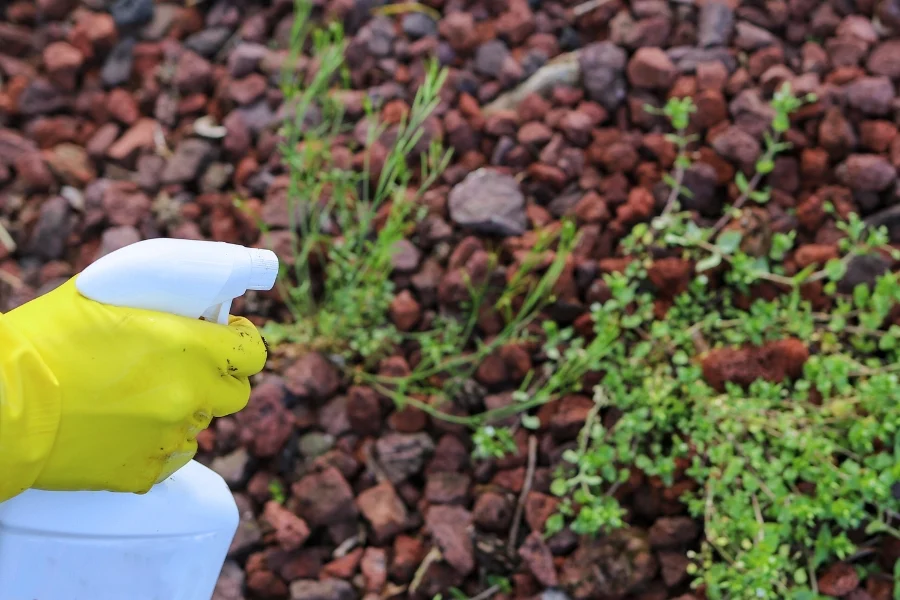
In gravel driveways, controlling weeds with chemical methods can be efficient and practical. These solutions often use herbicides, both selective and non-selective, or rely on natural household ingredients mixed into DIY sprays.
Selective and Non-selective Herbicides
Selective herbicides target specific types of weeds, while non-selective ones will eliminate almost all plant life they contact. Non-selective herbicides, like those containing glyphosate, work well for thorough clearing.
Glyphosate is commonly used due to its effectiveness in killing weeds over large areas. Users should be careful during application, as these chemicals can harm desirable plants and nearby greenery if not used precisely. Opting for selective herbicides can help preserve beneficial plants while focusing on problematic weeds.
Natural Ingredients in Homemade Solutions
Combining household items like vinegar, salt, and dish soap to create a DIY weed spray can be an effective alternative to commercial products. Vinegar alone, with its acetic acid content, can dehydrate weeds.
Adding a pinch of salt enhances this effect while soap helps the mixture adhere to leaves for prolonged action. People may choose to include clove oil or citric acid for added potency. These natural ingredients can be safer and environmentally friendly options, perfect for those avoiding harsh chemicals.
Usage of Commercial Weed Killers
Commercial weed killers can be found in many garden centres and are designed to cover larger areas swiftly. Chemical weed killers might feature rapid-action formulas promising visible results within a few hours to days.
Using these products is straightforward but requires careful reading of labels to prevent damage to the surrounding environment. Pre-emergent variants stop weeds from growing by attacking them before they sprout, offering longer-term solutions. Always consider the potential impacts on surrounding soil and plant life when choosing such options.
Alternative Weed Removal Techniques
Removing weeds from gravel driveways can be tricky, but several methods can make the process more manageable. Here, we explore using a propane torch for flame weeding and a combination of boiling water and salt solutions.
Flame Weeding with a Propane Torch
Flame weeding is an effective way to eliminate weeds from gravel driveways. A propane torch delivers direct heat that causes the plant cells to burst, effectively killing the weeds. Timing is vital in this technique. It’s best to use the torch on young weeds for maximum effectiveness.
Safety should be a top priority when using a flame weeder. Ensure the driveway is free of flammable materials and use the tool cautiously around dry vegetation. The propane torch allows precise targeting, ensuring surrounding plants and materials remain intact. Once the weeds are burnt, they decompose naturally or can be easily swept away.
Using Boiling Water and Salt Solutions
A mixture of boiling water and rock salt provides a chemical-free alternative to traditional weed killers. Boiling water can be poured directly over the weeds, causing the plant tissues to collapse. This method is straightforward and requires no special equipment, making it accessible to everyone.
For stubborn weeds, adding rock salt enhances the effectiveness. The salt dries out the plant roots, ensuring they don’t return. After application, it’s important to rinse the gravel to prevent salt buildup, which could affect surrounding vegetation. This method works best in areas with fewer weeds, as larger infestations might require more extensive treatment.