Choosing the right grass can make a huge difference for pet owners who want a lush lawn despite having dogs. When dogs urinate on the grass, the high nitrogen levels in their urine can cause unsightly yellow or brown patches. Fescue grass, particularly Strong Creeping Red Fescue, is often recommended for its ability to withstand pet traffic and manage the nitrogen content from dog urine without damaging your lawn.
Some dog owners opt for alternatives like PetSafe Replacement Grass, which is great for indoor setups. However, for outdoor spaces, natural grass options like Fescue are preferred. This grass species has the hardiness needed to hold up against wear and tear from pets, while maintaining its appearance.
Dog owners often face a significant challenge in keeping their lawn green and beautiful. With the right choice of grass, these challenges can be managed effectively. Strong Creeping Red Fescue not only forms a dense, textured cover but also offers durability and resilience against the typical behaviour of dogs.
Understanding Dog Urine Damage to Lawns
Dog urine can seriously impact the health of a lawn. Its composition and the type of grass it lands on both determine the degree of damage.
The Composition of Dog Urine
Dog urine is rich in nitrogen due to the presence of urea, a by-product of protein metabolism. While nitrogen is good for plant growth in moderate amounts, too much can lead to “burns” on the grass. These burns show up as brown or yellow spots, particularly when the urine is concentrated in a small area.
Additionally, dog urine can cause acidic soil, but it is not the acidity itself that mainly harms grass. The high nitrogen concentration is primarily to blame.
Effects of Urine on Different Grass Types
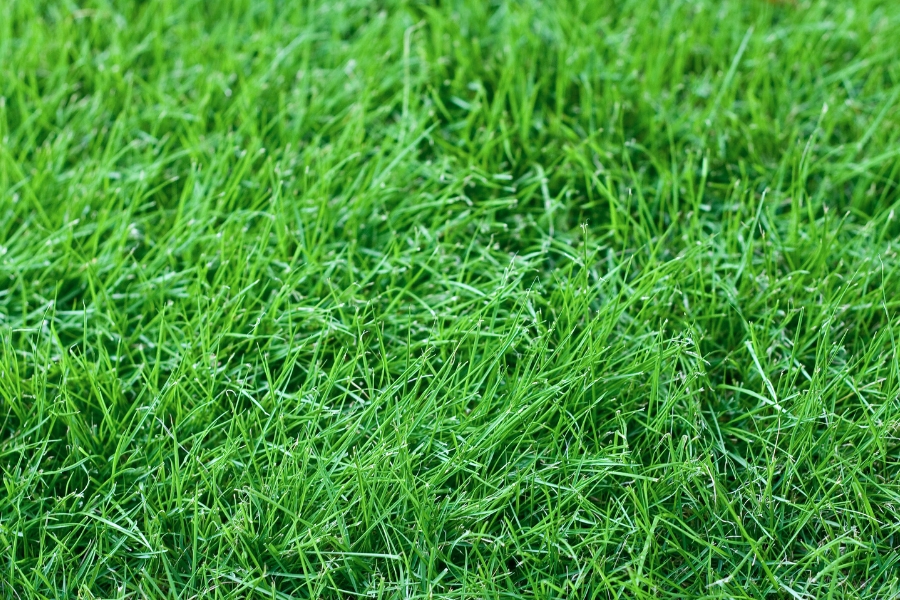
Different grasses react differently to dog urine. Some grass types, such as tall fescue, Bermuda, or zoysia, are more resistant to urine damage. They can tolerate higher nitrogen levels without turning brown or yellow. These grasses are ideal for dog owners looking to maintain a lush lawn.
On the other hand, grasses like Kentucky bluegrass and perennial ryegrass are more sensitive and prone to developing urine spots. Choosing the right grass option can help manage the appearance of the lawn despite regular dog visits.

Selecting the Best Grasses for Dog Urine
Choosing the right grass that can withstand dog urine involves looking at specific traits that make them resilient. Certain grasses not only resist damage from urine but also handle high pet traffic well.
Traits of Urine-Resistant Grass
For grass to resist the effects of dog urine, it must have several important traits. High nitrogen absorption is really important since dog urine contains this element in large amounts. Additionally, a strong root system helps the grass recover quickly from patches or spots caused by urine.
Disease resistance is another useful trait, as it keeps the grass healthy under stress. Grasses like Festuca arundinacea (tall fescue) often have excellent durability and minimal maintenance needs. Some grasses, such as perennial ryegrass, are noted for quick growth, allowing them to recover fast.
Top Grasses for High Pet Traffic
Fescue grass, particularly varieties like tall fescue, offers both durability and flexibility. It’s known for handling both urine and heavy pet traffic without losing its appeal. Likewise, Bermudagrass (Cynodon dactylon) is another favoured choice. Its dense growth pattern provides a tough and wear-resistant surface ideal for active pets.
Kentucky Bluegrass (Poa pratensis) is also popular for its resilience. It’s moderately low-maintenance and recovers well from wear and damage. Zoysia grass is another excellent option. This grass forms a thick carpet, protecting soil as it endures energetic play.
Selecting the right grass is beneficial in maintaining a beautiful and robust lawn that accommodates family pets.

Optimising Lawn Care for Dog Owners
By managing nitrogen levels and encouraging grass recovery, it’s possible to maintain a healthy lawn.
Managing Nitrogen Levels
Dog urine is rich in nitrogen, which can both help and harm your lawn. In small amounts, nitrogen can act as a fertiliser, but concentrated areas can lead to browning spots. One way to manage this is by diluting the nitrogen with water immediately after your dog urinates. This can lessen the impact by spreading the nitrogen concentration over a wider area.
Choosing nitrogen-resistant grass types like fescue or perennial ryegrass is beneficial. These grasses are more tolerant to nitrogen and can recover better. Including some grass varieties that naturally resist urine damage ensures a more durable lawn.
It’s helpful to monitor overall soil health. Testing the soil occasionally ensures there are no nutrient imbalances that could be exacerbated by nitrogen exposure. Maintaining a balanced fertilisation schedule also prevents overloading the soil with additional nitrogen.
Encouraging Grass Recovery
Encouraging quick grass recovery is vital for maintaining a lush look. One method is to train your dog to use specific areas of the garden. By designating a spot for bathroom breaks, you limit the number of urine patches. This allows other areas to recover more effectively.
Regularly reseeding damaged areas ensures even growth. Utilising drought-tolerant grasses can also help, as these types often have better recovery rates. Bermuda grass and tall fescue are tough and handle wear well, making them great choices for high-foot-traffic lawns.
Providing shade tolerance and properly watering to avoid dry conditions contribute to a healthier lawn. When grass gets the right amount of sunlight and water, it can recover more quickly from any damage caused by pets.