
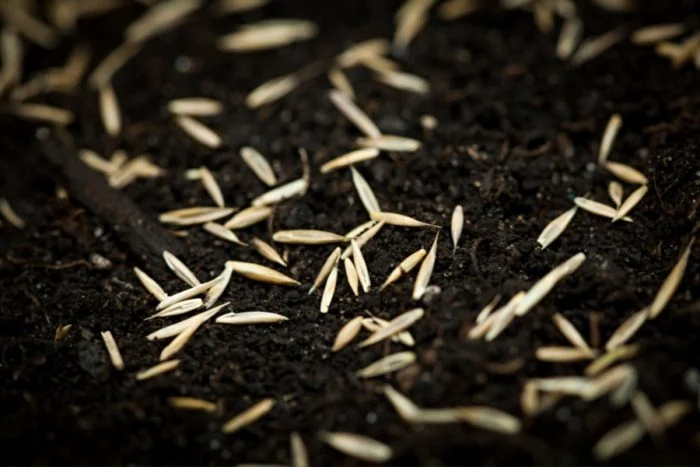
Bright, green grass can transform any outdoor space, making it a welcoming haven for family and friends. When time is of the essence, knowing which grass seed grows fastest is key. Perennial ryegrass is a standout choice for speedy growth, often germinating in just five days under ideal conditions. This makes it a popular pick for those eager to see results quickly.
Choosing the right grass seed involves more than just speed, though. The type of seed should match the local climate and the intended use of the lawn. A mix of seeds like fescues and bentgrass can offer varied benefits, from shade tolerance to resilience in high-traffic areas. Understanding how each seed type thrives will help achieve lush results.
With rapid growth covered, attention turns to lawn care itself. Once sprouted, the young grass needs regular watering and mowing to stay healthy. Tailoring maintenance practices to the specific grass type will ensure a vibrant, sustainable lawn that rewards the initial investment.

Types of Fast-Growing Grass Seeds
Different types of grass seeds thrive in various environments, making their growth rates vary. Understanding cool-season and warm-season varieties helps in selecting the best one for your lawn’s conditions.
Cool-Season Grass Varieties
Cool-season grasses perform best in milder temperatures and begin growing in early spring or autumn. Perennial ryegrass stands out as one of the quickest to sprout, showing growth in about five days under optimal conditions. It grows dense and green, making it a favourite for quick lawn establishment.
Kentucky bluegrass is another choice, prized for its lush texture. Though it takes longer to germinate, about two to three weeks, it forms a robust, durable turf ideal for cooler climates. Fine fescues are versatile, thriving in partially shaded areas and requiring less maintenance. These grasses are perfect for a thick, vibrant lawn even in challenging conditions.
Warm-Season Grass Options
Warm-season grasses favour hot, sunny climates, growing best from late spring through summer. Bermuda grass is well-known for its rapid growth, germinating within a week and establishing in five to six weeks. It makes a resilient lawn but demands full sunlight and regular fertilisation to stay healthy.
Another contender is Zoysia grass, which grows slowly at first but builds a dense, soft turf over time. It is noted for its heat and drought tolerance, making it ideal for warm areas. Buffalo grass offers an environmentally friendly option, thriving on less water and care. Although slower to establish, it provides a tough lawn with less maintenance.

Optimising Soil and Sowing Conditions
Getting high-quality grass seed to grow quickly involves preparing the soil properly and sowing efficiently. Knowing the best practices for soil preparation and seeding can increase germination rates and result in a healthy lawn.
Soil Preparation Techniques
The foundation of a lush lawn starts with well-prepared soil. Begin by clearing the area of debris, such as rocks and weeds. Different soil types require specific approaches.
For clay soil, improve drainage by incorporating sand. Sandy soil benefits from added organic matter to retain moisture.
Use a soil test kit to check pH levels; grass usually thrives in soil with a pH of 6 to 7. Adjusting pH might require lime to raise or sulfur to lower it.
Aerating the soil by loosening it with a garden fork or aerator boosts root penetration and enhances rapid germination. This step is crucial for all soil types. Ensuring the soil is loose and not compacted is vital for successful growth.
Seeding and Watering Best Practices
Once the soil is ready, sowing the grass seed correctly is paramount. Evenly distributing the seed ensures uniform growth. Consider overseeding methods if you are revitalising an existing lawn.
Using quality lawn seed is key to ensuring healthy germination. For quick results, choose varieties boasting strong germination rates.
Watering plays a key role in effective seed growth. After seeding, lightly water the area to moisten the soil, keeping it damp but not soaked. Consistent moisture supports the seed during its germination phase.
For best results, adjust the watering schedule based on weather conditions, ensuring that newly-sprouted grass receives adequate sunlight and moisture for continued growth.
Lawn Maintenance for Growth and Health
Proper maintenance includes regular fertilisation and managing foot traffic to ensure the healthy growth of various grass types, such as perennial ryegrass, tall fescue, and fine fescue.
Fertilisation and Care
Fertilisation is vital for a lush, green lawn, especially after planting fast-growing grass seeds like perennial ryegrass or tall fescue. Applying fertiliser several times a year ensures that grass gets the required nutrients.
For new lawns, schedules typically start once the seeds begin to germinate. It’s beneficial to use a slow-release nitrogen fertiliser, which provides a consistent supply over time. Be careful not to over-fertilise, as it can scorch the grass.
Mow regularly but avoid cutting more than a third of the grass blade. This practice helps maintain the lawn’s energy reserves, promoting robust growth. Overseeding an existing lawn with varieties like creeping red fescue can fill in bare spots, enhancing resilience against weeds.
Managing Foot Traffic and Use
Foot traffic is a common issue affecting lawn health, especially in active areas. Choose hardy grass types for these zones. Turf-type tall fescue is suitable for handling frequent use due to its sturdy nature.
For high-traffic areas, it’s important to rotate use when possible. Designating walking paths can prevent compaction, which inhibits growth. Employing stepping stones or gravel in heavily-used areas can also protect the grass.
After heavy use, water and aerate the lawn to help roots recover. Aeration improves soil compaction, allowing water and nutrients to reach the roots more effectively. With regular care, even a lawn subjected to significant use can thrive, providing a beautiful and durable surface.