Planting grass seed in October in the UK might seem late, but it’s actually a great time for sowing. The cooler temperatures and increased moisture create optimal growing conditions for grass seeds to germinate. October’s climate provides an ideal environment for planting grass seed in the UK, ensuring healthy growth. Gardeners often choose this month, taking advantage of the mild weather to ensure their lawns flourish.
Selecting the right type of grass seed is important, as this will depend on your area’s specific conditions. With the right seed mix, your lawn can thrive despite the cooler weather. Combining seeds designed for hard wear and shade can be useful for different parts of the garden. By understanding the best practices for sowing in October, you can set your lawn on the path to success.
There are challenges to consider when sowing grass seed in October, like the possibility of frost. By planning ahead and choosing the right sowing techniques, these issues can be managed. This article will guide you through the process, ensuring your lawn is lush and beautiful.
Key Takeaways
- October is excellent for planting grass seed in the UK.
- Choosing the right seed mix is crucial for optimal growth.
- Proper preparation and techniques help overcome sowing challenges.

Understanding UK October Weather Conditions
In the UK, October brings unique weather patterns that affect grass seed growth. Warm soil and increased rainfall create ideal conditions for germination. However, frost risk can impact younger seedlings.
Typical Climate Patterns
October in the UK sees a shift from warmer summer days to cooler autumn weather. Days become shorter, and temperatures range from mild to chilly. Rainfall increases, providing much-needed moisture for seeds.
The soil remains warm from summer heat, which helps grass seeds to sprout quickly. These conditions—warm soil and moisture—make October a favourable month for sowing grass seeds.
Windy conditions are also common, but these usually have less impact on the seed germination process.
Impact of Frost on Germination
Frost is a concern for those planting grass seed in October. While early October often enjoys milder weather, frost becomes more likely as the month progresses. Frost can damage tender seedlings, slowing their growth or killing them altogether.
To protect young grass, gardeners should monitor weather forecasts. If frost is predicted, consider using protective covers like horticultural fleece. This can shield the delicate new growth from harsh conditions.
Cold nights can also affect soil temperature, which could delay germination. It’s a delicate balance, making it important to plant earlier in the month if frost is expected later.

Selecting the Right Grass Seed
Choosing grass seed in the UK requires considering the climate and the type of use your lawn will see. Different grass varieties thrive in different environments. The correct choice ensures a lush, long-lasting lawn.
Cool-Season Grass Varieties
Cool-season grasses are ideal for the UK’s climate. They perform well in cooler temperatures, making them suitable for sowing in October. Perennial ryegrass is a popular choice due to its quick germination and durability. It’s often used in areas with high foot traffic.
Fescues, including red fescue and tall fescue, offer fine textures and are good for shaded areas. Red fescue is known for its drought resistance, while tall fescue is noted for being more robust and resilient against wear.
Browntop bentgrass can be part of seed mixes that provide a decorative appearance. When selecting seeds, consider the specific needs of your lawn space, such as shade tolerance or foot traffic levels.
Factors Affecting Seed Choice
Soil type, climate, and usage significantly affect which grass seed you choose. Soil pH and nutrient levels can impact seed performance. Test the soil and amend it if necessary to ensure it suits the selected grass type.
Consider the micro-climate of your garden. Areas that are too wet may need different seed than dry spots. Choose grass varieties that match these conditions.
Intended use also matters; lawns for kids and pets may need tougher grass types like those containing ryegrass. For ornamental gardens, a finer blend of fescues might be more suitable. Understanding these factors will help maintain a healthy and good-looking lawn.

Best Practices for October Sowing
October can be a good time for sowing grass seed in the UK, if done carefully. Success comes from preparing the soil well, using proper techniques when seeding, and taking care of the grass after planting.
Soil Preparation
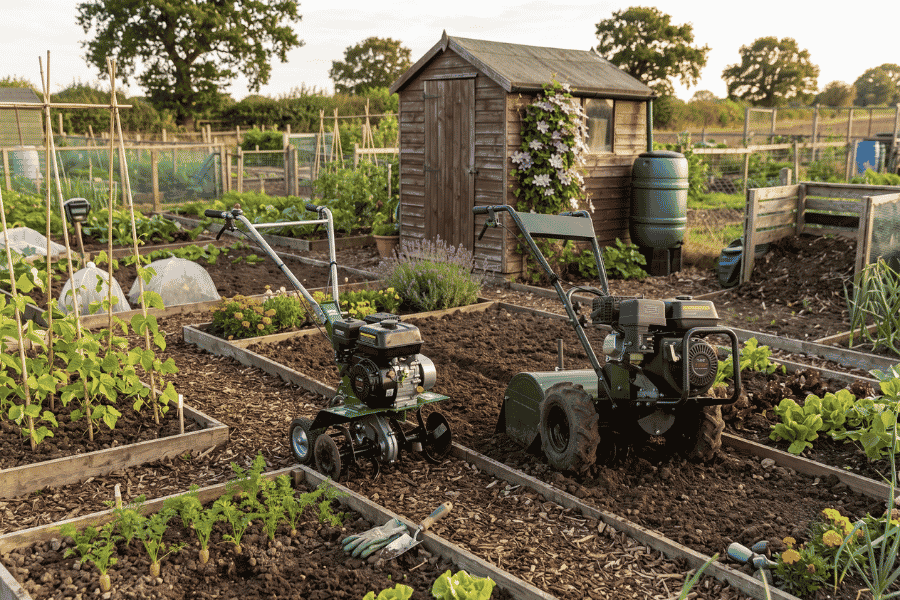
Before planting, it’s important to prepare the soil properly. The soil should be turned over to at least 15 cm to aerate it. Removing old grass, weeds, and debris is crucial. This can be done with a garden rake or spade. Adding compost to the soil helps improve drainage and provides nutrients. Checking the pH of the soil is also advised, aiming for a range between 6 and 7 for best growth. Proper soil preparation ensures the grass seeds have the ideal environment to establish themselves.
Seeding Techniques
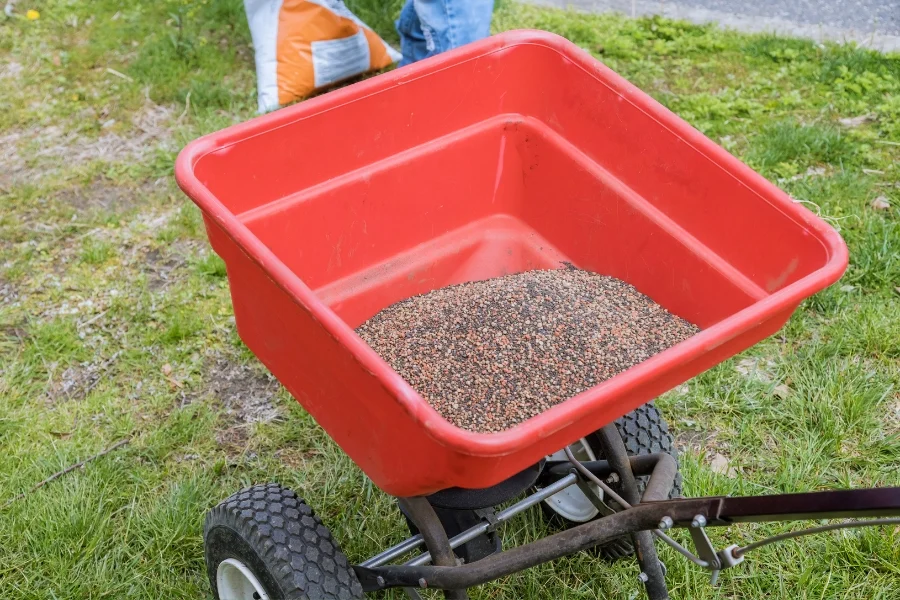
When sowing grass seed, spreading them evenly over the prepared ground is important. Using a seed spreader can help achieve uniform coverage. After spreading the seeds, gently rake them into the soil to ensure good contact. It can be helpful to lightly press the soil down using a roller or by walking over it. This helps the seeds settle in and protects them from being blown away by the wind or eaten by birds.
Post-Sowing Care
Caring for grass seeds after sowing involves maintaining the right moisture levels. Consistent watering is key — the soil should be kept damp but not waterlogged. Using a fine spray or gentle sprinkling method prevents the seeds from being washed away. Limiting foot traffic on the newly sown area helps the grass to establish without being damaged. Monitoring and removing any small weeds that appear is also beneficial, as they can compete with the grass for resources. Regular checks ensure healthy growth and vibrant new grass.
Potential Challenges and Solutions
October is a good time for sowing grass seed in the UK, but there are a few challenges to consider. One major issue is the weather. October can be unpredictable with more rainfall and cooler temperatures.
Solution: It’s important to check the forecast and aim for a period with mild weather and limited rain.
Another challenge is low sunlight. Days are shorter in October, which can slow down growth. Possible fix: Choose grass seed that thrives in low-light conditions and make sure it gets as much sunlight as possible.
Mowers may still be needed during autumn. If seeds were sown late in the month, they could get damaged. Tip: Raise the cutting height of your mower to protect new seedlings. This helps keep the grass healthy and less likely to stun the young plants.
Weed growth might be prominent, competing with new grass for nutrients. Advice: Regular weeding can help. A mulch can also suppress weeds and lock in moisture for the grass seeds.
Soil condition is a key factor too. In October, soil may be compacted or acidic, affecting germination. Solution: Test the soil pH and condition. Consider aerating and adjusting the pH if needed, using products from a local garden centre.