Creating stripes on your lawn can transform it into a striking visual feature that elevates the entire garden’s appeal. The visual effect is achieved by bending the grass blades in different directions with a lawnmower, which reflects light differently to create a striped appearance. By mowing in alternating directions with or without a lawn roller, anyone can achieve a professional-looking striped lawn effortlessly.
One of the secrets to achieving perfect stripes lies in maintaining consistent lawn height and ensuring that the blades of grass are healthy and well-trimmed. Cutting the grass at a higher setting often results in more defined stripes, as the grass bends more uniformly. This simple gardening technique doesn’t require specialised equipment, but having a mower with a roller attachment can enhance the effect.
Planning your mowing strategy is equally vital. Sketching your lawn can help you decide on the pattern you want to achieve, especially if your lawn has irregular edges or corners. These straightforward steps provide an easy entry into elevating your garden aesthetics, leaving you with a lush backdrop tailored for admiration.

Understanding Lawn Stripes
Creating stripes in a lawn infuses visual appeal and transforms garden spaces into stunning displays. The effectiveness of lawn striping relies heavily on the science of light reflection and choosing the right type of grass.
The Science Behind Lawn Striping
Lawn striping involves flattening grass blades in alternating directions, which affects how light reflects off each stripe. Light stripes appear where grass tips point towards the viewer, reflecting more sunlight. Dark stripes appear when grass bends away, absorbing light instead. This visual effect is achieved using a lawn mower equipped with a roller. The roller bends the grass as it cuts, helping in creating uniform stripes. This technique can lend a professional look to even the simplest of gardens.
Different Grass Types and Their Striping Potential
Grass type plays a significant role in striping quality. Cool-season grasses like fescue, rye, and bluegrass are highly regarded for their ability to produce vivid stripes. Their pliable nature allows for easy bending, enhancing stripe visibility. Conversely, warm-season grasses like Bermuda and zoysia may show less distinct stripes due to their firm texture. However, consistent mowing patterns can improve striping results. Choosing the right grass for the climate ensures optimal striping success and contributes to the overall health and aesthetic appeal of the lawn.

Essential Equipment for Striped Lawns
Creating striking stripes on your lawn requires specific tools to achieve the best effect. Using the right lawn mower and additional striping equipment plays a significant role in shaping the appearance of the grass.
Choosing the Right Lawn Mower
Selecting the correct lawn mower is fundamental for achieving neat, defined stripes. Cylinder mowers are often recommended because of their precision cutting and ability to deliver a clean finish. These mowers use a cylinder of blades that rotates, giving a scissor-like cut, which is ideal for maintaining consistent height and striping.
A standard rotary mower is also capable of forming stripes if properly used. What’s important is the blade sharpness and height setting, both of which should be optimised for a clean cut. Maintaining a slightly higher grass cut can help reinforce the striped effect by allowing the blades to bend more noticeably.
Striping Kits and Roller Attachments
Striping kits and roller attachments enhance the natural striping effect by bending grass as you mow. A roller attachment is added to the back of the mower, pressing the grass down in one direction while cutting. This technique tricks the light to reflect differently and creates alternating dark and light stripes.
For those without built-in rollers, aftermarket striping kits provide a budget-friendly solution. These kits usually include rollers or weighted bars that attach to the mower. An investment in a striping kit can significantly boost the appearance of a lawn, giving it that enviable professional look. Ensure compatibility with your mower type for effortless installation and consistent results.

Creating Your Lawn Stripes
Striking lawn stripes can transform any garden into a visual masterpiece. By adjusting mowing height and patterns, anyone can achieve a lush, vibrant look that enhances the appeal of their property.
Setting the Correct Mowing Height
Achieving professional-looking lawn stripes starts with selecting the appropriate mowing height. This ensures the grass bends effectively and creates the light and dark alternating bands that define striping. Typically, maintaining a height of about 2.5 to 3.5 inches is ideal.
Heights may vary depending on grass type; for instance, fine fescues tend to thrive slightly taller, especially in shaded areas. Regularly adjust your mower’s deck to accommodate these variations. Thicker lawns tend to produce more pronounced stripes, so fostering dense grass is beneficial. Proper fertilisation and watering can contribute to this density, supporting healthier stripe patterns.
Mowing Patterns for Different Stripe Effects
For those aiming for diverse striping designs, planning and executing the right mowing patterns is key. Alternating directions with each pass of the mower will create the signature light and dark stripes. An effective method to start is mowing in straight, parallel lines.
To produce a checkerboard pattern, first mow the lawn in one direction and then complete a second pass perpendicular to the initial stripes. For a diagonal or diamond effect, mow at angles, varying the approach each session. Ensure to mow at consistent speeds and overlap slightly between each line for uniformity. By regularly cleaning mower blades, you secure crisp cuts and promote healthy grass growth.

Enhancing the Edged Lawn with Landscaping Options
A well-edged lawn can be the foundation for beautiful landscaping. The right materials and design choices boost curb appeal and reduce issues like soil erosion.
Incorporating Garden Beds and Barriers
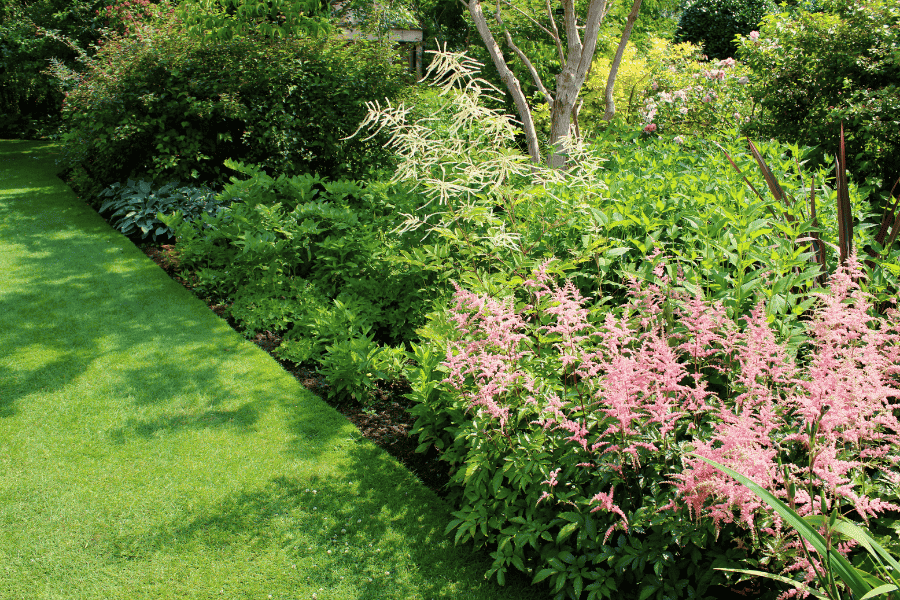
Adding garden beds beside your lawn edge creates visual interest. By planting flower beds, you gain vibrant colours throughout the seasons. Use a physical barrier like plastic edging to keep grass from creeping into the beds. This also prevents soil erosion.
To add height and texture, consider shrubs or small trees. They make a striking backdrop, enhancing the overall landscape design. For a polished finish, lay down gravel at the base. This approach offers aesthetic appeal while minimising maintenance.
Choosing Edging Materials for Aesthetics and Function
Selecting the right edging materials transforms your lawn’s edge into a feature. Metal edging is durable and adds a sleek look, ideal for modern gardens. For a softer approach, rubber mallets help install plastic edging effectively without damaging it. This method is safer for children and pets.
Another choice is to use grass seed to fill gaps between the paved surfaces and the lawn, creating a seamless transition. This is particularly effective with powered edger tools that ensure precise cuts. Consider local climate and maintenance needs when picking materials, ensuring both aesthetic appeal and functionality.
Lawn Care for an Outstanding Striped Effect
Creating a striped lawn that turns heads involves more than just mowing. Focusing on lawn health and strategic mowing patterns is vital to achieve a professional look. Proper maintenance enhances the grass’s visual appeal and longevity.
Maintaining a Healthy Lawn
To achieve striking stripes, first focus on the grass’s overall health. A well-maintained lawn starts with regular watering and fertilisation. Water deeply but infrequently to encourage deep root growth. Select a balanced fertiliser to supply nutrients vital for grass health.
Regular mowing, with sharp blades, maintains grass at the optimal height, usually between 2.5 and 3.5 inches. Frequency is key; aim to remove no more than one-third of the grass height each time you mow. Managing weeds and pests also contributes significantly to a clean, striped effect. Consider overseeding periodically to maintain thick and lush grass, which improves the definition of the stripes.
Enhancing Curb Appeal with Lawn Striping
Lawn striping significantly boosts a property’s curb appeal by creating striking visual patterns. Achieving this requires alternating mowing directions, which bends the grass in opposite ways, reflecting light differently. This bending effect creates alternating light and dark stripes.
Consistency in mowing direction is crucial for a uniform look. Use a lawn roller attached to a mower for deeper and more defined stripes. This simple tool bends the grass more uniformly. Experiment with different patterns, such as straight lines or checkerboards, to find what works best for the property. A well-striped lawn not only looks professionally maintained but also adds a fresh, polished appearance to any home.