Gardens can be a lovely oasis, but sometimes they attract unwanted visitors like foxes. For those who enjoy wildlife, this might not be a problem, but for others, it can lead to disruption. The presence of foxes can cause mess and even damage to plants and property.
To deter foxes, you can use strong smells like chilli peppers and garlic, as they dislike these scents. This simple and natural solution can help keep foxes away without causing harm to other animals. Additionally, ensuring that your garden is clean and free of rubbish can make it less attractive to foxes seeking shelter or food.
Another method involves making loud noises. Foxes are easily startled, so clapping or other sounds can effectively scare them off. These tactics, when applied consistently, can help maintain harmony in your garden, ensuring it’s a pleasant space for both people and welcomed wildlife.

Understanding Fox Behaviour
Fox behaviour can provide insights into why they frequent gardens. Exploring their territorial habits, diet preferences, and breeding routines helps explain their actions and can guide garden protection strategies.
Territorial Habits and Den Locations
Foxes establish territories that vary in size based on food abundance, ranging from small urban patches to vast rural expanses. These territories may house solitary individuals or small family groups. Foxes often mark their territory with scent, specifically through urine, to communicate their presence and maintain their space.
Dens, or earths, are crucial for shelter and raising cubs. These are usually situated in secluded spots, such as under sheds or in dense shrubbery. Foxes may dig new dens or use abandoned ones, frequently adapting their environment to suit their needs.
Fox Diet and Attraction to Gardens
Foxes are opportunistic feeders with a varied diet that often draws them to gardens. Common food sources include small mammals, birds, and insects, but they also consume fruits and vegetables. Unsecured rubbish bins or compost heaps can become easy targets for scavenging foxes.
Gardens providing abundant food sources may attract foxes eager to forage. This explains frequent sightings in urban and suburban areas where natural prey might be limited. Reducing attractants can be an effective step in discouraging their visits.
Breeding Season and Cub Rearing
Fox breeding season typically spans late winter to early spring. During this period, male foxes search for mates, often venturing beyond their usual boundaries. Female foxes, after mating, typically choose safe locations to raise their young. It’s common to see increased activity at den sites during this time as parents work to feed and protect their cubs.
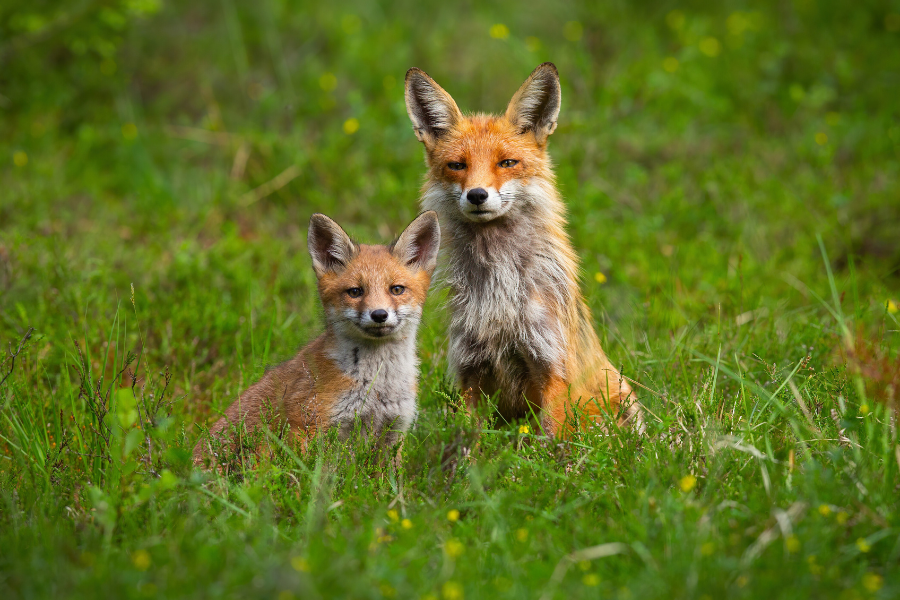
Cubs stay in the den for their first few months before gradually exploring their surroundings. Awareness of these habits can aid in distinguishing between a temporary den and a permanent intrusion, allowing for more targeted deterrence measures.
Physical Deterrents and Garden Fortification
To keep foxes at bay, there are several practical measures that can transform your garden into a robust barrier. These strategies include setting up effective fences, using netting, and planting thorny vegetation.
Effective Fencing Solutions
A reliable fence is a strong first line of defence against foxes. The height is important; fences should stand at least six feet high to deter foxes from jumping over. Electric fencing can add an extra layer of challenge for them. The bottom of the fence should be buried about a foot deep to stop foxes from digging underneath. Consider using strong materials like wood or metal for longevity and resilience. Solid construction is key.
Utilising Netting and Chicken Wire
Netting and chicken wire are affordable options to protect specific areas of a garden. Chicken wire, often used to protect small animals, can be laid underground to prevent digging. Cover vegetable patches with netting to guard against foxes seeking a snack. It can be draped over garden beds or wrapped around individual plants. Be sure to secure it tightly so it won’t shift easily or be lifted by determined paws.
Cultivating Prickly Plants
Planting prickly or thorny plants can be an effective way to deter foxes naturally. Consider varieties like holly, hawthorn, or gorse, which are not inviting to wildlife. These plants can act as a natural barrier, cleverly integrated into garden design. Plant them near entry points or along pathways foxes often use. Prickly plants not only keep foxes out but also add a botanical beauty to the landscape.

Non-Toxic Repellents and Scare Tactics
Foxes can be a nuisance in gardens, but non-toxic methods offer safe ways to keep them at bay. Using natural repellents like chilli and garlic, combined with modern technology like motion-activated devices and ultrasonic deterrents, can effectively discourage foxes without harming them.
Natural Repellents: Chilli and Garlic
Chilli peppers and garlic are natural fox deterrents thanks to their strong smells. Foxes have sensitive noses, and these intense scents can make your garden less appealing. To use, combine crushed chilli peppers and garlic in hot water. Let the mixture cool, then spray it around the garden. Test a small area first to ensure it doesn’t damage plants or surfaces.
Products like Scoot are also available. These products mimic natural scents to establish boundaries without toxic chemicals. They work by confusing foxes’ sense of smell, making the area seem already claimed.
Motion-Activated Devices
Motion sensors can startle foxes when they enter your garden. Lights or sprinklers activated by movement can effectively scare them away. These devices work by surprising the fox, causing it to flee. While foxes may become accustomed to these in time, regularly moving devices can maintain their effectiveness.
Adding different types of motion-activated deterrents can enhance the strategy. For example, alternate between lights and water sprays to keep foxes guessing.
Ultrasonic Fox Deterrents
Ultrasonic devices emit high-frequency sounds that deter foxes but are inaudible to humans. Many people find these devices convenient because they don’t require much maintenance once set up. Simply place them where foxes frequently roam.
The effectiveness can vary, as each fox responds differently. It may be beneficial to combine ultrasonic devices with other tactics like repellents and motion sensors. This layered approach increases the chance of keeping foxes from entering your garden. Make sure the devices are waterproof and durable, as they will be exposed to outdoor conditions.

Wildlife Conservation and Legal Considerations
Creating a balanced relationship with foxes involves understanding legal responsibilities and ethical management. It’s important to consider animal welfare laws and recommendations from organisations like the RSPCA. These guidelines help in managing foxes responsibly.
Animal Welfare and Fox Management
Foxes are protected by animal welfare laws, ensuring their humane treatment. Under the Animal Welfare Act 2006, causing unnecessary suffering to foxes can result in severe penalties, including fines or imprisonment. It’s critical to use non-lethal methods, like scent deterrents, to manage them.
Foxes are naturally attracted to gardens with pets, chickens, or food sources such as bins. Keeping these areas secure can deter them. Understanding fox behaviour and ensuring that management practices align with legal requirements helps protect both wildlife and domestic animals.
RSPCA Guidelines and The Fox Project
The RSPCA provides practical guidance on living with foxes while ensuring animal welfare. They encourage understanding foxes’ natural habitats and behaviours. Rather than simple removal, they suggest using humane deterrents and preventive actions to limit interactions with foxes, which also prevents potential health risks from mange or worms.
The Fox Project offers additional support focusing on conservation and education. By promoting ethical practices, they help individuals manage foxes without harm. Taking these steps helps foster a respectful coexistence with wildlife and ensures the well-being of both foxes and pets like cats and rabbits.