Knowing when to stop cutting your grass each year can feel like a bit of a puzzle. As autumn draws to a close, many homeowners start wondering about the right time to put away the mower and let their lawns rest for winter. This decision isn’t just about convenience; it plays a significant role in keeping grass healthy and ready for a vibrant return come spring.
The best time to stop mowing your lawn is usually in early November. This timing helps maintain lawn health by allowing the grass to stay trimmed while it’s still growing, right before winter weather sets in. The idea is to have a short, neat lawn as you head into the colder months, which not only looks tidy but also supports better growth when warmth returns.
Understanding these practices could save you effort and ensure a more beautiful garden come spring. With insights on when to cease mowing, your lawn can conserve energy during its dormant phase, ready to burst into life as temperatures rise again. This straightforward yet crucial timing can make a noticeable difference in lawn care success.
Understanding the Grass Cutting Season
Knowing when to stop cutting grass can make a big difference to lawn health. It relies on understanding grass types and tackling soil compaction to keep your lawn at its best throughout the year.
Differentiating Between Grass Types
Grass species play a major role in deciding when to stop mowing. Cool-season grasses, like fescue and ryegrass, grow best in cooler temperatures. They often experience a growth spurt in early autumn, slowing down as winter approaches.
In contrast, warm-season grasses, such as Bermuda and zoysia, thrive in the heat. Their growth slows significantly as temperatures drop. Recognising these cycles helps in setting a proper lawn care calendar, ensuring grass stays healthy without undue stress.
For cool-season varieties, it’s typical to stop mowing when growth slows in late autumn. Warm-season grasses might require less frequent mowing as summer turns into autumn. By tailoring mowing routines to grass types, lawn conditions remain optimal.
Recognising the Significance of Soil Compaction and Lawn Health
Soil compaction impacts lawn health by reducing air space in the soil, making it tough for roots to grow properly. Regular mowing and foot traffic compound this issue, leading to stressed grass.
To address compaction, aeration can be beneficial. Aerating creates holes in the soil, promoting air circulation and allowing nutrients to reach roots effectively. Performing this task annually is a vital part of lawn care.
An eye on soil health throughout the grass cutting season helps maintain a lush, vibrant lawn. Combining aeration with proper mowing practices, like not cutting grass too short, ensures roots remain strong, promoting healthier growth as the seasons change.

Optimal Mowing Practices
Achieving a healthy lawn involves keeping the grass at the right height and making good use of clippings. Thoughtful mowing techniques can lead to a lush and vibrant yard in every season.
Appropriate Grass Height and Cutting Height
Maintaining the correct grass height is key for a healthy lawn. Ideal mowing height varies, but usually, grass should be around 2 to 2.5 inches. This height protects the roots from temperature changes and allows adequate sunlight to penetrate. Cutting the grass too short can stress it, potentially weakening the lawn.
For the last mow before winter, gradually reduce the height of your lawn mower’s blade. Never remove more than one-third of the grass length in a single mowing session. Keeping the right balance helps the grass develop strong roots. This practice also reduces the risk of mould and disease by improving airflow.
The Role of Grass Clippings and Mulching
Grass clippings are more than just leftovers; they play a significant role in lawn health. Mulching mowers chop clippings finely, allowing them to decompose quickly. This process returns valuable nutrients to the soil, promoting healthy grass growth. Rather than bagging clippings, let them stay on the lawn.
Mulching saves on fertiliser costs and improves soil structure. It also enhances water retention, reducing the need for frequent watering. When mowing, ensure clippings are evenly spread; avoid clumps as they can smother grass. Using a mulching mower effectively helps support a robust and green lawn.
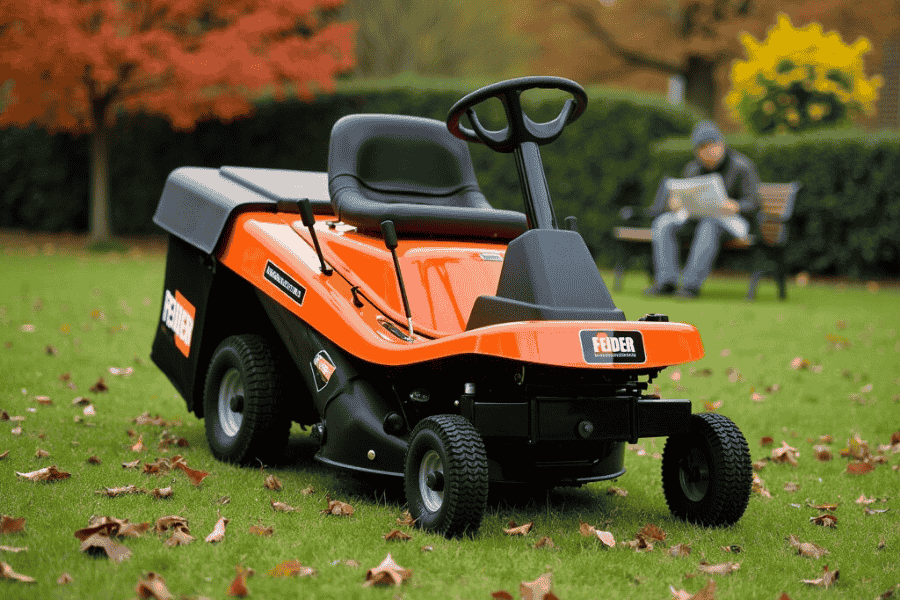
When to Cease Mowing
Timing is key when deciding to stop cutting grass. Factors such as changing weather patterns, frost occurrences, and temperature drops all play a significant role.
Recognising Weather Patterns and Frost
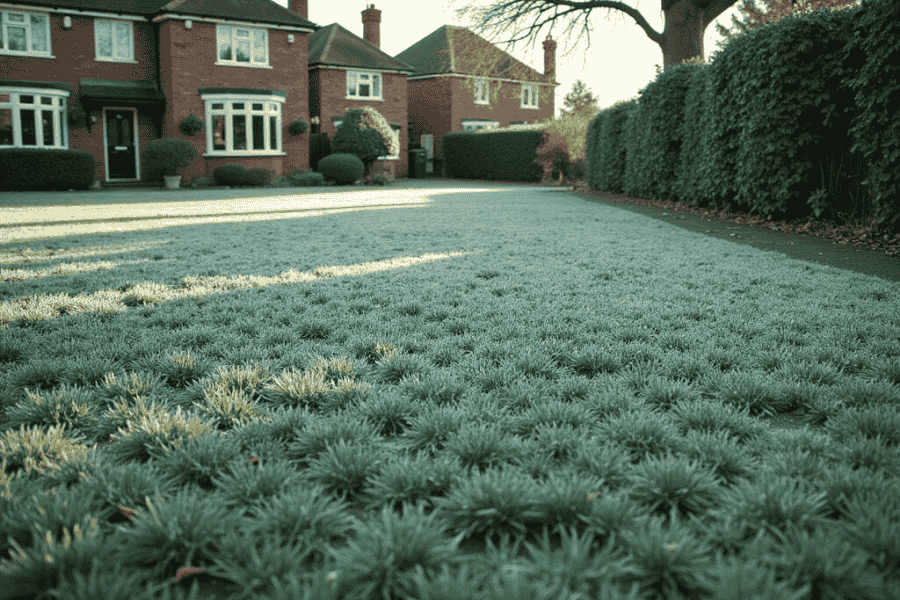
Weather changes are crucial indicators for lawn care. In many regions, grass growth slows down significantly as temperatures drop. Daytime temperatures below 10°C are a sign to start thinking about stopping. Frost can also signal the end of the mowing season.
Frosty conditions can harm grass if mowed incorrectly. The first hard frost often marks the point to put away the mower. Protecting grass by learning these weather cues helps maintain a healthy lawn through winter.
Determining the Final Mow of the Season
Knowing when to perform the final mow matters to lawn health. It usually occurs before the first hard frost, when temperatures drop consistently below 10°C. The grass should be cut a bit higher than usual during this last mow.
This ensures the grass stores energy for the colder months ahead. Clearing away fallen leaves and debris before this final cut also prevents diseases. With these actions, the lawn is better prepared to endure the winter months.

Additional Lawn Maintenance Considerations
Proper care of your lawn involves more than just knowing when to stop mowing. Managing fallen leaves and seeking expert advice can greatly impact the health of your lawn throughout the winter months and beyond.
Removing Leaves for Optimal Lawn Care
Leaves left on the lawn over winter can cause problems. When damp, they create a thick layer that may block sunlight and trap moisture. This can lead to diseases or patchy grass. To avoid these issues, it’s good practice to rake or blow away leaves regularly, especially before any rain falls.
A leaf blower is efficient for large areas, while a rake offers precision for tight spots. Gardeners often find a mix of both tools helps. Incorporating this step into your routine ensures the grass gets enough light and air, promoting healthier winter growth.