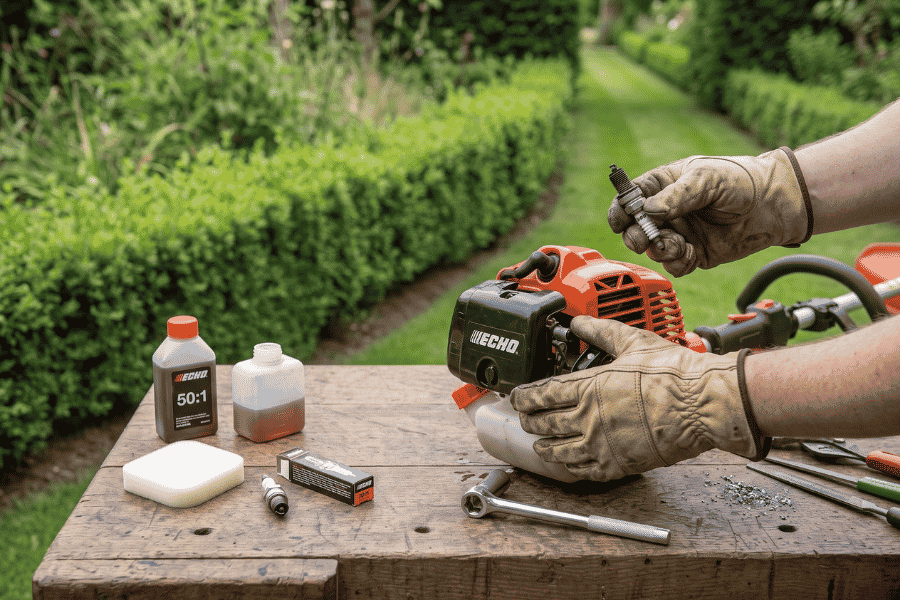
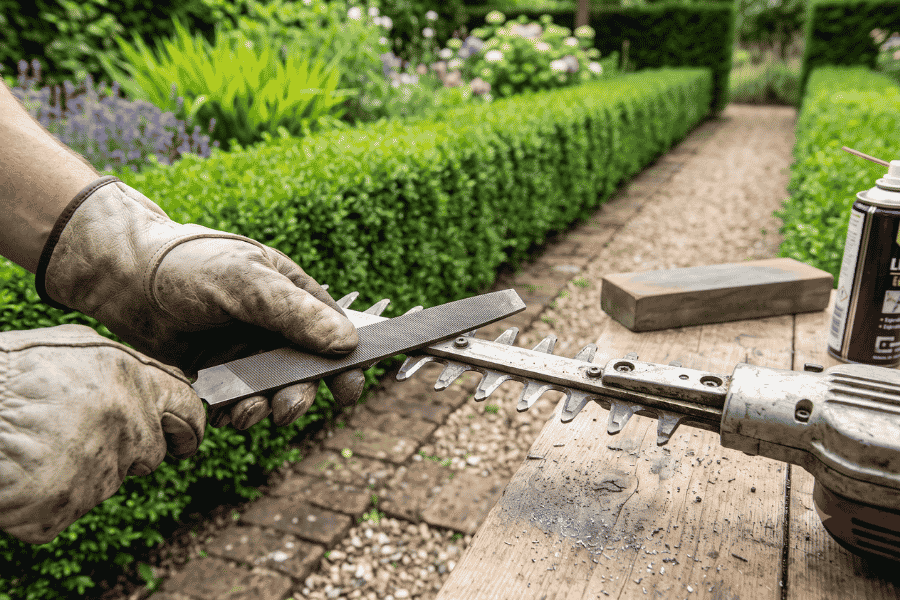
Every spring, garden sheds across the UK witness a familiar scene of frustration. The sun is shining, the grass is growing, and the lawnmower refuses to start. You pull the cord until your arm aches, but the engine only sputters and dies. The culprit is rarely the machine itself. It is almost always the fuel.
In recent years, the petrol we buy at the pump has changed. While this is good for the environment in terms of car emissions, it has created significant headaches for small engines found in garden machinery. This is where Alkylate fuel comes in. Often referred to as “Aspen fuel” (after the leading brand), it is widely regarded by mechanics and professionals as the gold standard for powering small engines.
At Compass Garden Machinery, we see the damage caused by bad fuel in our workshop every day. Understanding the difference between standard pump petrol and alkylate fuel can save you money on repairs and ensure your machine starts on the first pull, every time.
The Quick Answer
Alkylate fuel is a synthetically produced, ultra pure form of petrol. Unlike standard pump petrol, which is a “cocktail” of hundreds of chemicals and ethanol, alkylate fuel consists of only about ten stable substances. It is ethanol free, meaning it does not absorb moisture or corrode engine parts. It burns significantly cleaner, reducing harmful fumes by up to 99%, and most importantly, it has a shelf life of 3 to 5 years, whereas standard petrol goes stale in just a few weeks.

The Problem with Pump Petrol (E10)
To understand why alkylate is superior, we first have to look at what comes out of the nozzle at your local petrol station. Standard unleaded petrol in the UK is now E10. This means it contains up to 10% ethanol. Ethanol is a renewable biofuel made from crops, added to reduce carbon emissions from cars.
While modern cars are designed to run on E10, small engines like those in lawnmowers and trimmers struggle with it for three main reasons.
1. It Absorbs Water (Hygroscopy) Ethanol is hygroscopic, which means it attracts and absorbs moisture from the air. In a garden shed, which is often damp and experiences temperature fluctuations, your fuel can absorb water rapidly. This water separates from the petrol and sinks to the bottom of the tank, causing rust and corrosion inside the carburettor.
2. It Goes Stale Quickly Standard petrol is not designed for long term storage. It has a shelf life of roughly 30 days. After this, the volatile components evaporate, and the fuel turns into a thick, sticky gum. This gum clogs the tiny jets in your carburettor, preventing the engine from starting.
3. It damages rubber. Ethanol acts as a solvent. Over time, it can dry out and degrade the rubber fuel lines, seals, and gaskets found in older or smaller engines, leading to leaks and failures.
What is Alkylate and How is it Made?
Alkylate fuel is not refined from crude oil in the same way as standard petrol. It is produced synthetically via alkylation.
This process removes excess gases from crude oil distillation and combines them into a liquid. The result is one of the purest petroleum products available. While standard petrol contains around 350 different chemicals, alkylate fuel contains roughly ten.
Crucially, it is free from:
Ethanol: Eliminating corrosion and water absorption.
Benzene: A known carcinogen.
Aromatics: Harmful hydrocarbons that cause headaches and nausea.
The Three Main Benefits for Gardeners
Switching to alkylate fuel requires a change in habit, but the benefits for your machinery and your health are undeniable.
1. Reliability and Storage
This is the biggest selling point for the casual gardener. Alkylate fuel stays fresh for 3 to 5 years. You can leave fuel in your chainsaw or mower over the entire winter season without worrying about it going stale.
When you come to start the machine in the spring, it will fire up as if you used it yesterday. There is no need to drain the tank or use fuel stabilisers. For machinery that is used infrequently, such as hedgetrimmers or backup generators, this reliability is invaluable.
2. Engine Health and Performance
Because alkylate burns so cleanly, it leaves virtually no carbon deposits inside the engine. Piston heads, valves, and spark plugs stay cleaner for longer. This maintains the engine’s compression and power output over its lifespan.
Furthermore, because there is no ethanol to corrode the metal or perish the rubber hoses, the internal components of the fuel system last much longer. We often see machines come in for service simply because the fuel lines have melted away due to E10 petrol; alkylate prevents this entirely.
3. Your Health and the Environment
Have you ever felt dizzy or developed a headache after using a petrol strimmer or chainsaw for half an hour? That is often due to the benzene and aromatics in standard petrol exhaust fumes.
Small garden machinery often lacks the catalytic converters found in cars, meaning you breathe in a lot of raw exhaust. Alkylate fuel reduces harmful hydrocarbons by up to 99%. This makes a massive difference to the operator’s health, especially when working with handheld tools where the exhaust is close to your face. Organisations like Aspen Fuel highlight that running a standard lawnmower for one hour on normal petrol emits as much benzene as 100 hours of driving a modern car. Alkylate effectively neutralises this risk.

The Cost vs. Value Debate
The most common objection to alkylate fuel is the price. It is significantly more expensive per litre than pump petrol. However, it is important to view this cost in context.
For a commercial landscaper using 20 litres a day, the cost might be prohibitive. But for the average homeowner, who might use 5 to 10 litres a year for a mower and a strimmer, the extra cost is negligible compared to the cost of servicing.
A standard carburettor service to clean out “gummed up” stale fuel can cost anywhere from £60 to £100. If a bottle of alkylate fuel prevents just one trip to the repair shop, it has paid for itself instantly. Many of our customers view it as “mechanic in a can.”
Can You Mix Alkylate with Normal Petrol?
Technically, yes, you can mix them as they are both petrol. However, you should avoid doing so.
If you mix alkylate with pump petrol, you immediately lose the benefits. The ethanol in the pump petrol will still absorb water, and the mixture will still degrade over time. To get the full benefit, you should drain your tank of old petrol (dispose of it responsibly at a recycling centre) and fill it with pure alkylate.
For 2-stroke engines (like chainsaws and blowers), you can buy alkylate fuel that is pre-mixed with high-quality synthetic 2-stroke oil. This eliminates the messy process of mixing oil and fuel yourself and ensures the ratio is perfect every time.
Summary Checklist
If you are tired of starting problems or want to extend the life of your new machinery, alkylate is the solution.
Ideal for: Lawnmowers, chainsaws, trimmers, and any engine stored for long periods.
Shelf Life: Lasts 3 to 5 years without degrading.
Health: Significantly reduces harmful fumes and headaches.
Maintenance: Prevents gummed carburettors and rotted fuel lines.
At Compass Garden Machinery, we highly recommend switching to alkylate fuel, especially for winter storage. It is the single best thing you can do to protect your investment. For more advice on fuel or to book a service for a machine that has unfortunately already fallen victim to stale petrol, please contact our service team today.
The Federation of British Historic Vehicle Clubs also provides excellent guidance on the effects of E10 petrol on older engines, which shares many parallels with garden machinery. Understanding your fuel is the first step to happy gardening.