Welcome to the world of wildflowers where yellow rattle plays a vital role in creating a balanced meadow. Known for its power to weaken grass, this amazing plant creates space for other wildflowers to thrive. Sowing yellow rattle is best done in late summer to early autumn, allowing seeds the chill of winter to ensure successful spring germination.
Yellow rattle requires specific conditions to flourish. It thrives in areas where the grass is kept short, allowing sunlight to reach the soil and space for its growth. By targeting the right time and spot, you’ll transform a once grassy area into a vibrant wildflower haven.
When sowing yellow rattle, the ground should be prepared by cutting the grass very short, removing clippings, and ensuring patches of bare soil are available. This preparation helps the seeds settle and establish roots. Discover how to sow successfully, bringing a natural touch to any garden or wildflower meadow.
Understanding Yellow Rattle
Yellow Rattle, or Rhinanthus Minor, is a fascinating plant known for its semi-parasitic nature. This unique wildflower plays a vital part in managing meadow environments by controlling grass growth and promoting biodiversity.
Biology of Rhinanthus Minor
Rhinanthus Minor, commonly known as Yellow Rattle, gains some nutrients by parasitising neighbouring grass roots. It attaches to the roots of grasses, reducing their vigour. As a result, the grasses become less competitive, allowing other wildflowers to flourish. This leads to more diverse plant life.
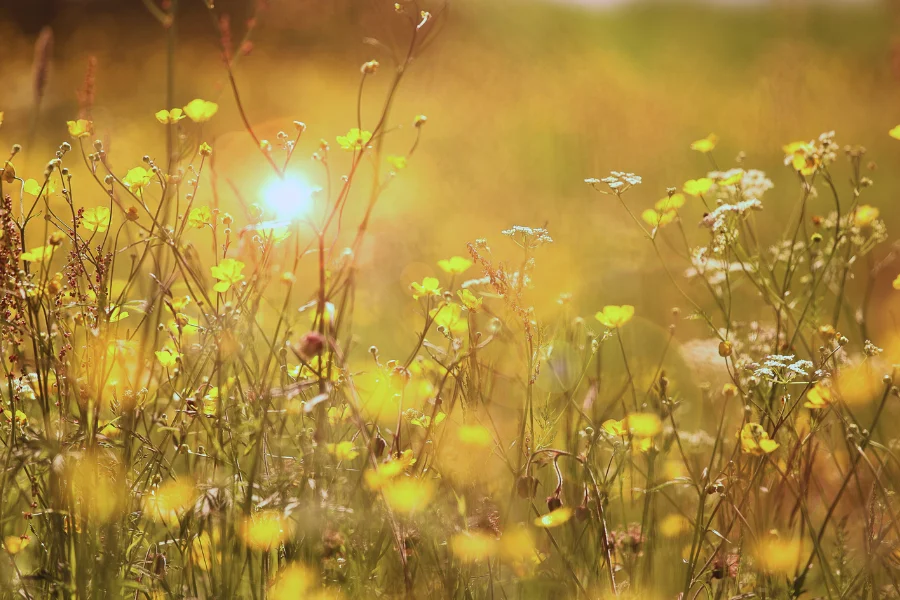
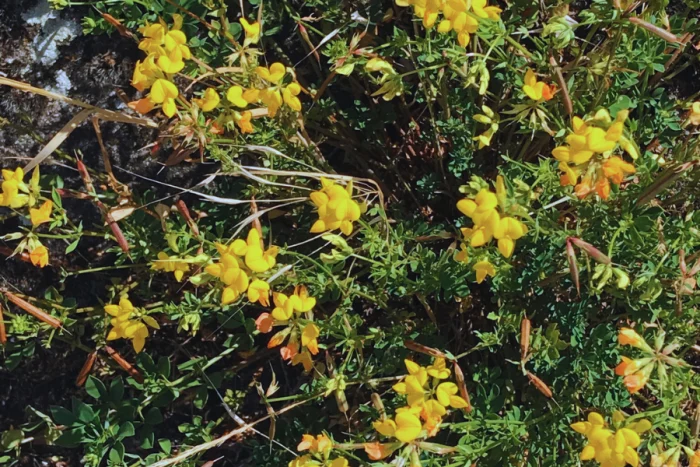
Yellow Rattle is an annual plant, meaning it completes its life cycle in one year. It produces eye-catching yellow flowers that attract bumblebees, aiding in the plant’s pollination process. By mid-summer, the plant develops seed pods that rattle when shaken, hence the name.
Yellow Rattle’s Role in Meadows
Yellow Rattle is particularly valued in meadow management for its ability to regulate grass growth. When integrated into a meadow, it creates a balance by weakening dominant grasses. This provides space and resources for a wide variety of wildflowers to emerge.
The presence of Yellow Rattle in meadows enhances biodiversity, which benefits not only plant diversity but also insect populations, including pollinators like bumblebees. By encouraging a diverse range of plants, it supports healthier ecosystems. This makes Yellow Rattle a natural ally for those looking to create vibrant, thriving meadows.
Site Preparation and Seeding Time
Preparing to sow yellow rattle requires attention to soil conditions and timeliness. Success largely depends on getting both right to encourage proper growth and establishment.
Soil and Site Conditions
Yellow rattle thrives in short grasslands, preferably where grass has been cut low or grazed hard. This helps limit competition from surrounding vegetation and gives the seeds a better chance of establishing. Bare soil patches are ideal because they provide hollows for seeds to settle and germinate.
Ideal site conditions are key. The area should have enough moisture for the seeds to germinate, but it should not be waterlogged. Well-drained soil ensures that roots develop properly, supporting healthier growth. Regularly checking soil moisture levels can prevent issues that might impact seedling development.
Optimal Timing for Sowing
Timing the sowing of yellow rattle seeds is important. The best sowing time is during autumn, from August to September. This period allows seeds to experience the cold stratification that is necessary to trigger germination in the upcoming spring.
While some choose to sow in early spring, autumn is preferred due to more reliable results from adequate chilling over winter months. If seeds are planted too late, they may not germinate until the next growth cycle, impacting their establishment. Planning ahead ensures seeds have the best start, aligning with natural growth patterns.

Sowing Techniques and Aftercare
Sowing yellow rattle effectively requires careful preparation and timing. Proper aftercare is essential to support healthy growth and maximise the benefits of this wildflower.
Effective Sowing Methods
To sow yellow rattle, start by preparing the soil with a rake or harrow to create a fine seedbed. Scarifying the ground helps to remove debris and existing vegetation, which can compete with seedlings. Scatter the seeds at a rate of 1 to 3 grams per square metre, depending on the desired plant density. The best time for sowing is autumn, as this aligns with the natural cycle of seed germination over winter.
Yellow rattle seeds need contact with the soil to germinate properly, so lightly press them into the ground without burying them. Mixing yellow rattle with other wildflower seeds can enhance its establishment but ensure there’s a balanced distribution. The seeds also benefit from cold conditions to break dormancy, encouraging faster spring growth.
Post-Sowing Maintenance
After sowing, keeping the area moist for about six weeks will support seedling germination. Regular monitoring is important to ensure that the soil does not dry out, especially if the autumn is drier than usual. Once established, yellow rattle benefits from mowing or grazing the sward to reduce competition from grasses and promote flowering.
Areas with heavy grass growth might need an additional sowing the following autumn to maintain a healthy population. Mowing should be done once the yellow rattle has seeded. Avoid cutting before the seeds develop, as this can hinder future growth and propagation. Regular observation will guide adjustments in maintenance for a thriving meadow.

Cultivating for Diversity and Conservation
Incorporating yellow rattle into meadows can enhance biodiversity and aid conservation efforts. Its ability to suppress grass growth opens up spaces for other species, transforming spaces into ecological havens.
Creating a Wildflower Haven
Yellow rattle plays a key role in turning fields into vibrant wildflower meadows. Known as a “Meadow Maker,” it reduces grass dominance, making way for a greater variety of wildflowers, including Orchids and other native species.
Using wildflower seed mixtures that include yellow rattle helps establish traditional hay meadows. These mixtures often need some preparation, such as stratification or vernalization, to ensure successful germination. Reseeding in autumn can be advantageous, especially if annual wildflowers are a part of the mix, providing year-round diversity.
Benefits to Ecosystems and Local Wildlife
The integration of yellow rattle supports diverse plant life, which in turn attracts local wildlife. With a greater variety of plants, creatures like bees, butterflies, and birds find more food and habitat options, enhancing ecological resilience.
Short grass patches allow sunlight to reach the soil, promoting Wildflowers’ growth. As ecosystems become more layered, it helps in carbon sequestration and soil improvement. Furthermore, wildflower-rich habitats offer educational and research opportunities, providing firsthand insights into sustainable land management. Including yellow rattle in conservation plans thus benefits both nature and communities.