
As the days grow shorter and temperatures drop, many people wonder if their lush green lawns can survive winter’s chill. While the answer largely depends on where one lives, a simple principle can help guide lawn care during these colder months. Grass growth in winter is often limited because many grasses become dormant when temperatures fall below 4°C (40°F).
In milder regions, winter might not halt grass growth entirely. Some regions experience mild winters where grass, particularly cool-season varieties, may continue to grow slowly. However, as daylight decreases and frost becomes more common, even hardy grass species may experience a slowdown. This dormancy is a survival mechanism, allowing the grass to conserve energy and cope with the chill.
Understanding the behaviour of grass in winter is vital for maintaining its health. Providing proper care and avoiding unnecessary foot traffic can prevent damage. By timing activities like seeding before forecasted rains, homeowners can ensure that lawns remain vibrant when spring arrives. Learning the needs of your specific grass type is key to a healthy lawn all year round.

Understanding Grass Growth Cycles
Grass growth cycles vary depending on factors like temperature and the adaptability of different grass types. Dormancy is a natural process that occurs as temperatures drop, affecting both cool-season and warm-season grasses.
The Role of Temperature
Temperature plays a key role in grass growth. During the colder months, soil temperature decreases, which influences how grass behaves. Air temperature also affects grass as it cools, prompting some types to slow down growth or stop entirely. Cool-season grasses, like ryegrass and fescue, are more active in lower temperatures. They can still perform well and may even thrive in cooler weather when other grasses are dormant. These grasses flourish until the severe cold hits.
In contrast, warm-season grasses prefer warmer soil and are found in regions with higher temperatures. They become inactive during the winter to survive, conserving their resources for the warmer months. Gardening experts often recommend monitoring soil health throughout the year to ensure both cool-season and warm-season grasses receive the right care, especially as temperatures fluctuate.
Dormancy Explained
Dormancy is a survival mechanism for grass during winter. It’s when grass growth halts, and energy is conserved. Dormant grass stops growing above ground, often looking brown or straw-like. Below ground, roots continue to develop even as the visible part of the grass seems lifeless.
The process of dormancy depends on the type of grass. Warm-season grasses tend to enter dormancy as the temperature drops, while cool-season varieties maintain some growth until the temperatures become freezing. Dormancy allows grasses to conserve nutrients during harsh conditions, enabling a robust return in the spring. Gardening experts suggest using this time for soil maintenance, such as aeration, which aids root health and prepares for the active growth season ahead.

Winter Lawn Care Practices
Keeping a lawn healthy during winter requires specific actions. Focus on managing moisture, controlling mowing and thatch, and applying fertilisers correctly to maintain a strong lawn.
Moisture Management
Winter can be drying for lawns due to cold winds and low humidity. It’s important to ensure that grass receives enough water during this season. Watering should be done occasionally, especially when there’s a dry spell. It’s best to water in the morning to avoid water sitting on the blades overnight and freezing. Proper moisture helps prevent the grass from drying out and losing its rich green colour. Setting up a reliable watering schedule will ensure that the lawn stays hydrated during winter months when rainfall might be scarce.
Mowing and Thatch Control
Even when grass growth slows in winter, mowing the lawn is still important. Shorter grass can withstand cooler temperatures better. Mowing regularly, but not too short, helps maintain a neat appearance. It’s important to keep an eye on the thatch layer, which can build up more quickly if the lawn is not growing vigorously. Removing excess thatch is key as it prevents water and nutrients from getting to the roots. Aerating the lawn can also help manage both thatch and soil compaction issues. Keeping the mower blade sharp ensures clean cuts, reducing stress on the grass.
Fertilisation Techniques
Applying fertiliser during winter can strengthen the lawn and help it survive cold conditions. A winter fertiliser, rich in potassium, can promote root strength and disease resistance. It’s important not to over-fertilise as it might cause chemical burns or promote growth at the wrong time. Fertilising in late autumn or early winter allows the nutrients to be absorbed slowly by the grass over the colder months. Choosing the right type of fertiliser tailored to winter conditions can result in healthier grass that springs back quickly as temperatures rise. Follow the manufacturer’s instructions for the best results.

Seasonal Grass Seeding Strategies
Grass seeding requires careful timing and techniques to maximise growth, especially during the colder months. Understanding optimal conditions and methods is key for successful results.
When to Sow Grass Seeds
Sowing grass seeds depends heavily on the season and local climate. Early spring and early autumn are often considered ideal times. During these periods, the soil retains moisture and offers the mild warmth necessary for seed germination. This allows seedlings to establish before facing the heat of summer or the cold of winter.
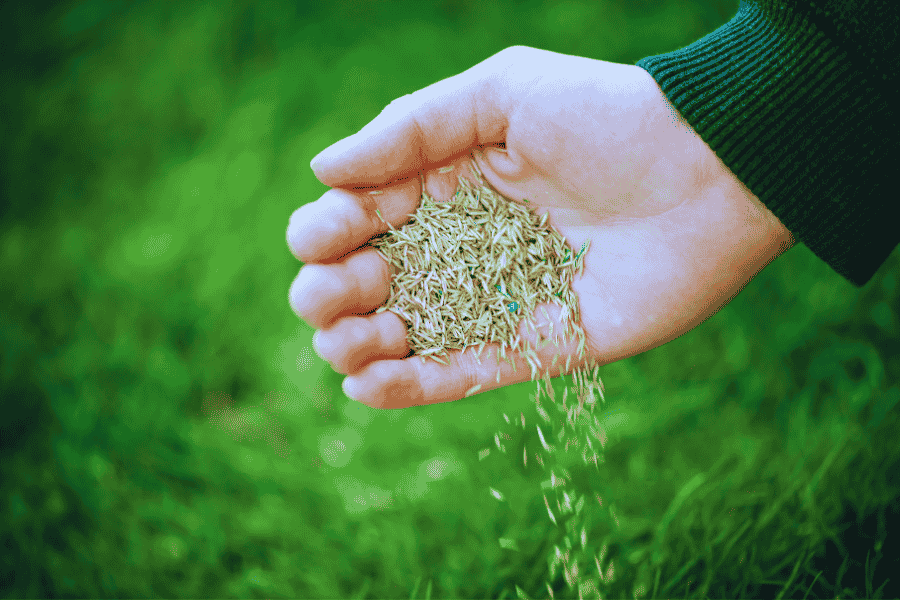
Dormant seeding, a technique for winter planting, involves sowing seeds that will remain inactive until warmer spring temperatures. This takes advantage of the freeze-thaw cycles in winter, preparing seeds for ideal germination conditions as temperatures rise.
Dormant Seeding Benefits
Dormant seeding provides a practical solution for those wanting a head start before spring. It includes the benefit of less competition from spring weeds, giving seeds a stronger start once they germinate.
This method also saves effort compared to sowing in challenging summer conditions. Costs can be reduced, as there’s less need for extensive watering or the risk of losing seeds to heat stress. Dormant seeding efficiently uses natural winter conditions to work for, rather than against, your lawn goals.
Repeated overseeding during inactive growth periods can improve grass density, ensuring a healthier and more resilient lawn by the time spring arrives.
Maintaining Grass Health Throughout Winter
Keeping grass healthy in winter involves protecting it from harsh weather and ensuring the soil remains suitable for growth. This includes managing soil conditions and understanding how cold affects your lawn.
Dealing with Extreme Cold
Cold temperatures can make grass go dormant. This is a natural way for grass to conserve energy and survive through winter. It’s important to keep the lawn clear of heavy debris like leaves and snow. Such weight can damage grass blades and compress the soil, affecting its ability to recover in spring.
Fertilising during late autumn can also help grass prepare for the cold months ahead. This boosts nutrient levels, helping grass better withstand the cold. It’s a good idea to maintain a slightly longer grass height before winter sets in, which offers more protection against frost.
Optimising Soil Composition
Soil composition has a big impact on how well grass handles winter. Before winter, aerating the soil can improve its structure. This process helps roots get oxygen, aiding photosynthesis even in lower light conditions.
Maintaining proper drainage is another key aspect. Compacted soil or poor drainage can lead to waterlogging, which is detrimental during freeze-thaw cycles. Soil tests are useful to check pH levels and ensure the ground has the right balance of nutrients.
Using organic mulch can add nutrients to the soil and offer insulation against cold temperatures. This helps keep soil temperatures more stable, providing a better environment for root systems. Grass that has a nutrient-rich foundation is more likely to emerge healthy and vibrant in the spring.