Ryegrass is a familiar name for those keen on gardening and lawn care, offering a resilient choice for lush lawns. This versatile grass comes in two main types: perennial and annual ryegrass. Each has its own charm and specific benefits. For those in cooler climates, ryegrass presents a reliable option as it thrives in cool seasons, offering a green carpet when the temperatures drop. For both gardens and agricultural fields, ryegrass provides a balance of strengths and requirements, making it a valued choice for many.
Beyond simply growing quickly, ryegrass excels in resilience, displaying strong resistance to wear and tear. It also brings the advantage of inhibiting weed growth, serving as a solid foundation for any lush green space. While hardy and adaptable, ryegrass comes with its share of challenges. Maintaining its vibrant shade and lush growth might demand more fertiliser and care than other grass varieties.
The choice of ryegrass, whether for a lawn or pasture, depends on understanding its unique traits and requirements. Selecting the right type of ryegrass can lead to a flourishing landscape suited for different needs. Staying informed on the care and conditions necessary for ryegrass ensures this grass thrives while complementing various garden styles.
Key Takeaways
- Ryegrass is a versatile and resilient cool-season grass.
- It grows quickly and prevents weeds but needs proper care.
- Choosing the right type of ryegrass ensures healthy growth.

Types and Traits of Ryegrass
Ryegrass includes both annual and perennial varieties, each with distinct characteristics. Understanding their growth habits, climate resilience, and specific requirements can guide effective use in lawns and pastures. Below are detailed insights into each variety’s traits.
Distinguishing Perennial and Annual Varieties
Perennial ryegrass (Lolium perenne) is known for its long-lasting presence in lawns. It grows rapidly and establishes quickly, providing robust coverage that can outcompete weeds. This variety thrives where cool-weather grasses are favoured due to its resilience in the face of various pests and diseases.
Annual ryegrass (Lolium multiflorum), often referred to as Italian ryegrass, grows quickly but completes its life cycle within a single season. Known as winter grass, it is often used for temporary cover or as a companion plant because of its short life. Both types are valued for their lush green appearance and adaptability, though choosing between them depends on specific lawn or pasture needs.
Understanding Ryegrass Growth Habits
Ryegrass is renowned for its rapid growth, offering swift ground coverage. This characteristic makes it highly suitable for areas needing immediate greening or erosion control. Perennial ryegrass stands out with its persistent growth, while annual ryegrass tends to peak quickly but doesn’t last beyond one growing cycle.
Root systems vary between the two, with perennial types developing a deep and robust network, enhancing soil structure. Annual ryegrass roots are typically shallower, which may benefit quick germination but lacks longevity. This difference influences how each type interacts with soil and competes for resources.
Climate Adaptations and Hardiness Zones
Adaptability to climate greatly affects where ryegrass can be successfully cultivated. Perennial ryegrass thrives in cooler regions, comfortably inhabiting areas within USDA hardiness zones 3 to 7. It’s particularly suitable for temperate climates where other grasses may struggle.
Annual ryegrass shows remarkable cold tolerance, making it a popular choice for winter overseeding in warmer zones where certain grasses might go dormant. Its hardiness extends through cooler months, providing green coverage when other types have taken a rest. Always consider local climate conditions and water availability to maximise growth and utility.
Benefits of Ryegrass in Lawn and Agriculture
Ryegrass offers multiple benefits for lawns and agricultural practices. It thrives in various conditions, supports soil health, and can sustain livestock effectively. This section explores these advantages in detail.
Advantages for Turfgrass and Lawns
Ryegrass is a popular choice for turfgrass because it grows quickly and forms a lush, green carpet. It’s especially useful for overseeding, helping repair bald patches and thicken existing lawns. This grass type stands up well to regular foot traffic, making it perfect for recreational areas.
While it performs well in colder climates, it requires nitrogen-rich fertiliser to maintain its vibrant colour. It also has good disease resistance, reducing the need for chemical treatments. Ryegrass aids in weed control as its dense growth pattern suppresses the growth of weeds, maintaining a healthy lawn.
Agricultural Uses as Livestock Fodder and Cover Crop
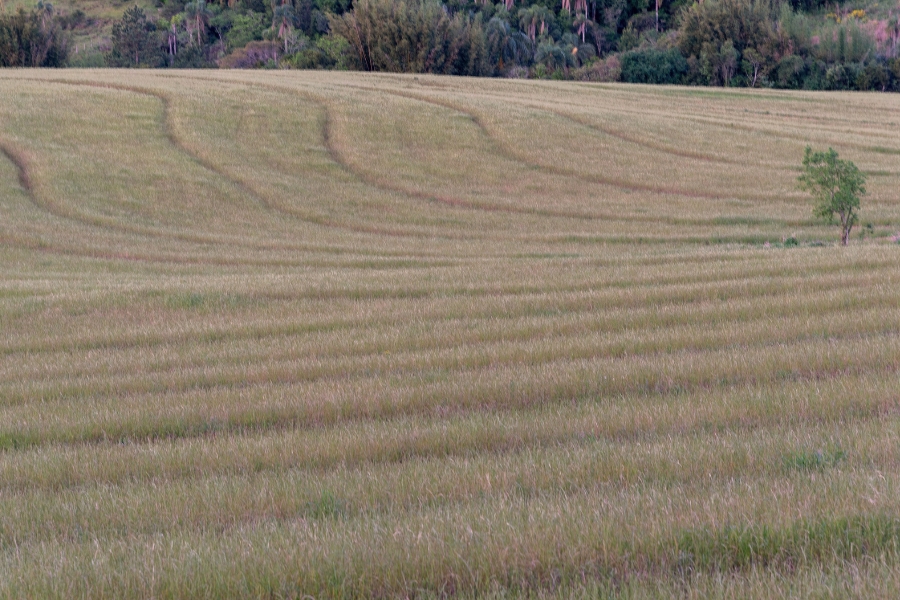
In agriculture, ryegrass is used extensively as animal fodder due to its nutritional value. It offers high digestibility and is rich in nutrients, making it a preferred choice for feeding livestock. Its rapid growth allows for multiple harvests, providing a steady supply of fodder throughout the year.
Ryegrass also works efficiently as a cover crop. It prevents soil erosion and enhances soil health by adding organic matter back into the soil. Farmers often use it in rotation with cash crops to improve soil structure and fertility, benefiting overall crop production.
Soil Improvement and Erosion Control
Ryegrass plays a vital role in soil improvement and erosion control. Its strong root system stabilises the soil, preventing erosion on slopes and other vulnerable areas. The roots break up compacted soil, enhancing aeration and water infiltration.
The plant improves soil health by fixing nitrogen, increasing the nutrient content for future plantings. This quality makes it valuable for gardens and farmlands where maintaining soil fertility is crucial. By building a robust root network, ryegrass contributes to long-term soil stability and resilience against harsh weather conditions.

Ryegrass Maintenance and Management
Ryegrass requires careful attention to watering and fertilising, consistent mowing and aeration, and vigilant disease and pest management. Each of these aspects plays a significant role in ensuring a healthy lawn.
Watering and Fertilising Requirements
Ryegrass needs regular watering, especially during dry spells, as it doesn’t tolerate drought well. It’s best to water deeply but infrequently to encourage deep root growth. This means thoroughly soaking the soil, then allowing it to dry slightly before watering again.
For fertilisation, ryegrass thrives with nitrogen-rich supplements. A good practice is applying 2-4 grams of nitrogen per 1,000 square feet annually. Split applications, such as in early spring and autumn, work well. Using natural methods like compost or compost tea can be an effective way to maintain nutrient levels without over-relying on chemical fertilisers.
Mowing and Aeration Practices
Mowing ryegrass requires attention to height. It’s advisable to mow at a height of 1.5 to 2.5 inches. This height helps maintain healthy growth and prevents weeds from taking over. Regular mowing promotes a dense turf, but avoid cutting more than one-third of the grass height in a single session to prevent stress.
Aeration is another vital aspect of management. Aerating the soil, particularly in compacted areas, helps improve water and nutrient flow to the roots. This is best done in spring or autumn. Over time, it encourages healthier growth and helps with root development. Dethatching may also be necessary if the thatch layer becomes excessive.
Disease and Pest Management
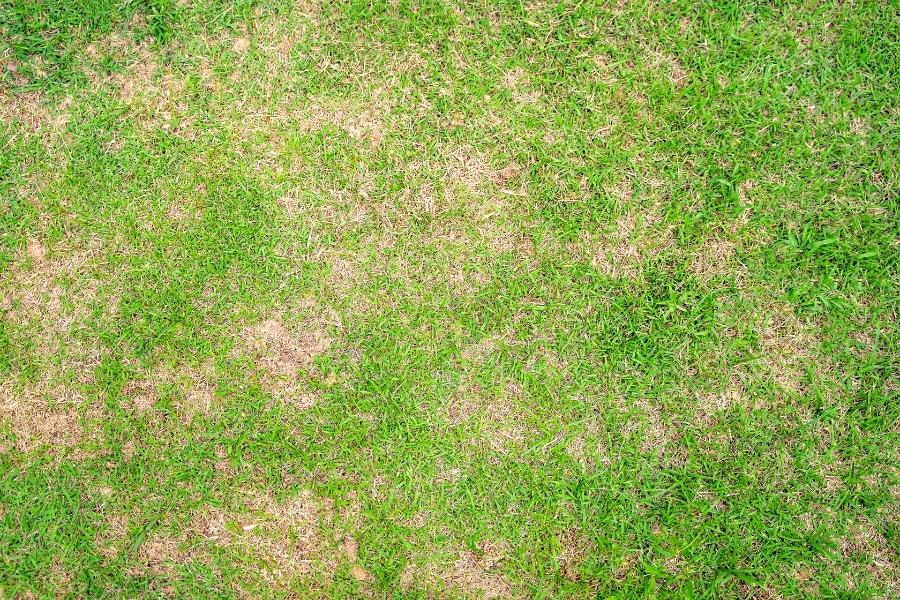
Ryegrass is prone to certain diseases like brown patch and rust. Keeping an eye out for any unusual discolouration or spots can help address these issues early. Treatment often involves fungicides and improving air circulation by not overcrowding the lawn.
Pests like grubs can also pose a challenge. Regular inspection and the use of appropriate pesticides when necessary can help prevent infestations. Maintaining a healthy lawn through proper watering, feed, and care can naturally minimise pest problems by creating an environment where the grass can resist invasions effectively.
Considerations for Choosing Ryegrass
Ryegrass offers adaptability, wear tolerance, and competition against weeds. Understanding its qualities can help in deciding if it’s right for a specific lawn or garden.
Adaptability to Sun and Shade
Ryegrass is known for its ability to thrive in both sunny and shaded areas, making it a versatile choice. Shade tolerance is particularly beneficial for gardens with varied light conditions. This adaptability allows it to maintain its vibrant green colour throughout different seasons.
It’s also important to consider how much sun the area receives as different climates may affect its growth. Ryegrass tends to prefer some sunlight for optimal growth, so a balance of sun and shade is ideal.
Assessing Tolerance to Foot Traffic and Wear
Ryegrass is valued for its wear tolerance, especially in areas with heavy foot traffic. It can withstand regular use without significant damage, making it a good choice for family gardens or sports fields. Its fast-growing nature allows quick recovery from wear.
However, it might need more care than other grasses to maintain its condition. Regular maintenance, such as mowing and watering, will help preserve its appearance and health.
Comparing With Other Grass Varieties
When comparing ryegrass to other varieties like Kentucky Bluegrass and Bermuda Grass, several factors come into play. Ryegrass has a quicker germination time and is often used as a companion in seed blends due to this trait.
In contrast, Kentucky Bluegrass has better drought tolerance. Bermuda Grass offers good resistance to some weeds but may not match ryegrass’s vibrant colour. Choosing ryegrass can mean balancing its invasiveness and allelopathic properties with the desired grass qualities.