We’ve all faced that soggy dilemma. Rain clouds have lingered for days, your lawn is starting to resemble a jungle, and a brief dry spell feels like your only chance to reclaim order before the next downpour. The urge to tackle it is strong, but the thought of mowing wet grass brings warnings of clumping decks, slippery slopes, and potential damage. Is it ever truly okay? And if you absolutely must, how can you minimise the risks and get a decent cut without wrecking your lawn or your mower?
Mowing wet grass is generally discouraged for good reasons. It presents challenges that dry mowing simply doesn’t. Wet grass blades are heavy and limp. Instead of being cleanly sliced by the mower blade, they tend to tear or bend, leading to a ragged, uneven finish that looks messy and leaves the grass vulnerable to disease. The sheer weight and moisture cause clippings to clump together rapidly, clogging the mower deck, blocking the discharge chute, and potentially smothering the grass underneath if left in place. Safety hazards also increase significantly; wet surfaces are slippery underfoot, especially on slopes, and handling electric mowers in damp conditions carries inherent electrical risks.
Sometimes, however, waiting isn’t an option. Perhaps you need a tidy lawn for an upcoming event, or the grass is growing so fast it risks becoming unmanageable before the next dry window. If you decide to proceed, understanding the specific precautions and adjustments needed is crucial. It’s about working smarter, not harder, prioritising safety, protecting your equipment, and accepting a less-than-perfect result. Let’s navigate the damp details.
Understanding the Core Challenges of Wet Grass
Before firing up the mower, it’s vital to appreciate why wet conditions complicate the task. The primary issue is the physical state of the grass itself. Saturated blades are floppy and less rigid. A spinning mower blade struggles to lift and cut them cleanly. This often results in tearing rather than shearing, leaving frayed ends that turn brown and create an uneven appearance. Torn grass is also more susceptible to fungal diseases like fusarium or red thread, which thrive in damp conditions.
Another major hurdle is the handling of clippings. Dry clippings are light and disperse easily. Wet clippings are heavy and sticky. They rapidly accumulate under the mower deck, forming dense, wet mats that block airflow and prevent the blade from spinning efficiently. This not only stops the mower dead in its tracks but also strains the engine or motor, potentially leading to overheating or belt damage. Trying to discharge these clumps often results in unsightly piles that can smother and kill the grass beneath them if not immediately raked up.
Safety risks escalate considerably. Wet grass, especially on any incline, becomes treacherously slippery. Losing your footing while operating a powerful machine is a serious hazard. For electric mowers (both corded and cordless), the combination of water and electricity demands extreme caution to avoid the risk of shock. Reduced traction can also affect self-propelled mowers, making them harder to control. Visibility might be reduced due to mist or rain, and wet grass can hide obstacles like sticks or stones that could become dangerous projectiles.

Essential Precautions for Mowing When Damp
If, after weighing the challenges, you decide to proceed, meticulous preparation and adjusted technique are non-negotiable. First and foremost, safety must be your absolute priority. Ensure you wear sturdy, waterproof boots with excellent grip to minimise slipping hazards. Clear the lawn thoroughly beforehand. Walk the area and remove any visible sticks, stones, toys, or other debris that could be hidden by the wet grass or become hazardous when hit by the blade. Double-check for hidden obstacles.
For electric mower users, extreme caution is paramount. Never use a corded electric mower if it is actively raining, if the grass is soaking wet, or if you are standing in puddles. Ensure the extension cord (if used) is fully waterproof, undamaged, and kept well away from puddles and the cutting area. Consider using a cordless model if you have one, but still avoid use in heavy rain. Always use a Residual Current Device (RCD) plugged into the socket for corded models. This is a critical safety device that can prevent electrocution. Be hyper-aware of the cable’s position at all times.
Key Mower Adjustments
- Raise the cutting height to its highest setting. Cutting wet grass shorter puts immense stress on the grass plants and increases the likelihood of scalping on uneven ground.
- Ensure your mower blades are sharp. A dull blade will tear wet grass even more brutally, increasing disease risk and making clumping worse.
- Consider disengaging the rear roller if possible to reduce compaction on the wet soil.
Technique Adjustments for a Safer, Cleaner Cut
Once you start mowing, your technique needs major adjustments compared to a dry day. Slow down dramatically. Mow at a much slower pace than usual. This gives the blade more time to attempt cutting the limp grass and reduces the volume of clippings being processed at once, helping to minimise clumping. It also improves your stability on slippery ground.
Manage the clippings proactively. Mow in a different pattern than usual. Instead of long, continuous strips, try mowing smaller sections and stopping frequently to clear the deck. If clippings start building up, stop the mower, turn off the engine, disconnect any power source, and use a stick or brush to clear the clumps from underneath the deck and the discharge chute before they completely block it. Never attempt to clear a blockage with the engine running or the power connected.
Avoid mulching in very wet conditions. The wet clippings simply won’t shred and disperse effectively. Instead, use the grass collection box if your mower has one. Be prepared to empty it frequently, as wet grass fills it up much faster than dry. If you don’t have a collection box or it clogs instantly, you’ll need to manually rake up the clumps immediately after mowing each section to prevent them from smothering the lawn. This adds significant time but is essential.
Post-Mowing Care: Mitigating the Aftermath
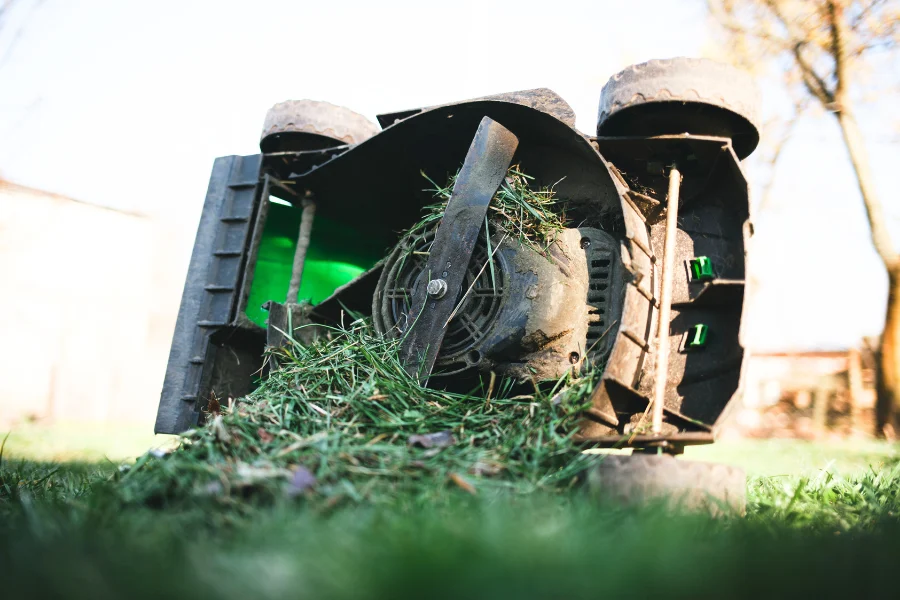
Once you’ve finished the damp ordeal, your work isn’t over. Immediate cleaning of your mower is critical. Wet grass clippings are highly corrosive and will rapidly stick and harden on the underside of the deck, around the blade, and in the chute. Hose down the deck thoroughly (once the mower is completely off and disconnected from power), or use a scraper and brush to remove all residue. Wipe down the mower body. Leaving wet grass on the mower promotes rust and makes future starts harder.
Rake the lawn thoroughly to disperse any remaining clumps that the collector missed or that were discharged. Leaving wet clumps on the lawn blocks sunlight and air, creating ideal conditions for fungal diseases and potentially killing the grass underneath. Give the lawn time to recover. Avoid heavy foot traffic on the freshly cut, wet grass. Resist the urge to apply fertiliser immediately after wet mowing, as the grass is stressed.
Knowing When to Absolutely Wait
Despite all these precautions, there are times when mowing wet grass is simply unwise:
- Saturated ground conditions where your feet sink in, leaving deep prints. This indicates the soil is too soft, and mowing will cause ruts and compaction.
- Active rainfall, especially with any electric mower.
- Extremely long and wet grass where the volume and weight will overwhelm even the best precautions.
- Slopes and inclines become significantly more hazardous when wet due to the risk of slipping and losing control.
- Thunder and lightning conditions require postponing mowing entirely.

Conclusion
Mowing wet grass is rarely ideal and should be seen as a last resort rather than routine practice. It demands heightened awareness, careful preparation, significant adjustments to technique, and diligent aftercare. The results will almost certainly be inferior to mowing dry grass, and the risks to both yourself and your lawn are greater.
However, when circumstances leave you little choice, following these guidelines can help you navigate the task more safely and effectively. Prioritise safety above all else, especially regarding slips and electrical hazards. Protect your mower through height adjustment, sharp blades, and rigorous cleaning.
Accept that the cut quality will be compromised and focus on minimising harm to the lawn through clump removal and avoiding scalping. Sometimes, getting the job done imperfectly is better than not doing it at all, but always weigh the necessity carefully against the potential downsides. Your lawn, your mower, and your safety will thank you for choosing dry days whenever possible.