A patchy, worn lawn can feel like a stubborn problem in the British climate, especially after a wet winter or a dry summer. You might notice bare spots from foot traffic, moss taking over shaded areas, or yellow patches where pets linger. Attempting repairs at the wrong time often leads to wasted effort. Seeds wash away in winter rains, summer heat scorches tender grass, and autumn frosts halt root growth before it begins. Understanding the why behind lawn repair timing is the key to transforming frustration into a thriving green space.
The UK’s unpredictable weather demands strategic planning. Repairing your lawn isn’t just about scattering seeds or laying turf; it’s about aligning with nature’s rhythms. Soil temperature, moisture levels, and daylight hours all influence germination and root establishment. Get this wrong, and you’ll battle weeds, drought stress, or frost damage. Get it right, and your lawn recovers faster, resists diseases, and blends seamlessly. The secret lies in two golden windows: spring and autumn, when the UK’s cool, damp conditions create the perfect nurturing environment.
Whether you’re fixing pet damage, reseeding after moss removal, or levelling bumpy ground, this guide breaks down the best months for action and how to adapt to regional microclimates. Let’s get your lawn back on track.
Why Timing Matters: The Science Behind Lawn Recovery
Successful lawn repair hinges on three non-negotiable factors: soil warmth, consistent moisture, and gentle growing conditions.
Soil temperature must be above 6–8°C for grass seeds to germinate. Below this, seeds lie dormant or rot. In the UK, soil typically reaches this range by mid-March in the south and early April in the north, holding warmth until late October. Moisture is critical for young roots. Spring rains and autumn dew reduce watering needs, while summer droughts and winter waterlogging stress new grass. Root development requires 6–8 weeks of stable growth before extreme weather. Autumn-sown grass develops deeper roots over winter, creating a drought-resistant lawn by summer.
Ignoring these factors risks patchy germination, weed invasion, or failed growth.
Spring vs. Autumn: Which Season Wins for UK Lawns?
Both spring and autumn offer advantages, but your choice depends on priorities: speed or resilience.
Spring Repairs (March–May)
Spring is ideal for quick visual recovery. Grass grows vigorously in lengthening daylight, filling bare patches fast. It’s perfect for addressing winter damage like moss or compaction. However, competition from weeds is high, and you’ll need diligent watering if late spring turns dry. Avoid sowing before mid-March as soil remains too cold. Use a shady lawn seed mix for patches under trees; these blends tolerate low light.
Autumn Repairs (September–October)
Autumn reduces weed pressure and relies on natural rainfall. Roots establish deeply over winter, creating a robust lawn by spring. But late frosts can damage young grass in northern regions, and missing the mid-October deadline risks seedlings failing to establish before winter.
Comparing the Seasons
Spring offers rising soil temperatures (8–15°C) but high weed competition and moderate watering needs. Autumn provides cooling soil (10–18°C), low weed pressure, and minimal watering. Spring suits winter damage repair, while autumn builds long-term health for large areas.
Month-by-Month Breakdown: When to Act
Spring Window
March: Wait until soil hits 8°C. Focus on preparation: spike compacted areas, remove debris, and apply moss killer if needed. Sow seed only if a warm spell occurs.
April: Prime seeding time. Daytime temperatures average 10–15°C. Kill weeds first, rake dead moss, then sow. Keep soil moist.
May: Last call for spring sowing. Use drought-tolerant mixes for sunny spots. Avoid feeding new grass until 6 weeks old.
Autumn Window
September: The sweet spot. Soil retains summer warmth, and rain increases. Level bumps via H-cut turf lifting.
October: Prioritise seeding by mid-month. Focus on high-traffic areas or thin lawns.

How to Repair: Matching Methods to Timing
Seeding Bare Patches
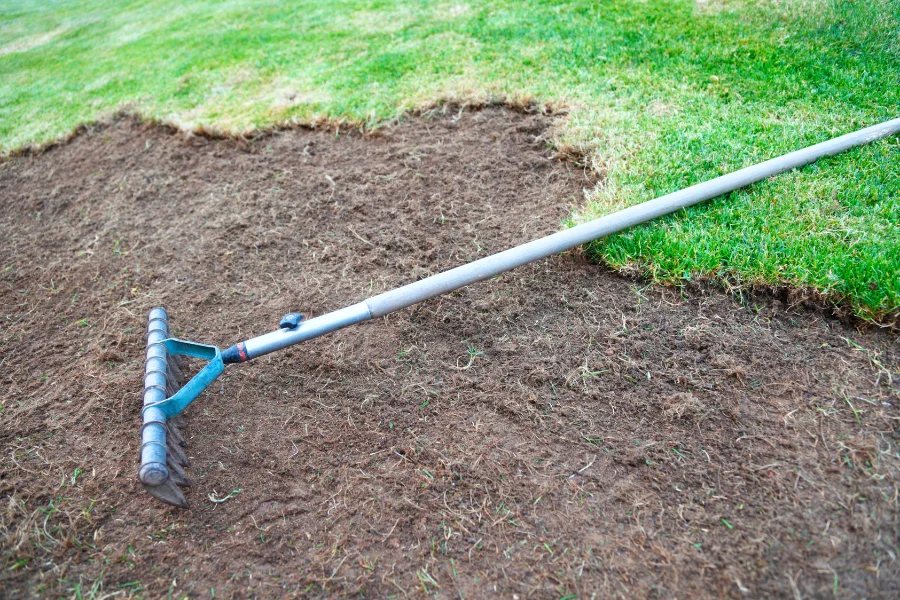
Spring/Autumn: Scratch soil surface, sow seed, lightly rake, and water. Use mesh to deter birds.
Avoid Summer: Heat hinders germination.
Laying Turf
Spring (March–May) or Autumn (September–October): Ensure soil is weed-free and levelled. Water daily for 2 weeks.
Levelling Bumps
Early Autumn: Cut H-shaped flaps in turf, add topsoil, smooth, and re-lay turf.
Regional Considerations Across the UK
South England: Longer seasons; start repairs in late March or September.
North England/Scotland: Wait until April for spring repairs; finish autumn repairs by early October.
Wet Western Regions: Prioritise autumn to leverage rainfall.
Dry Eastern Areas: Spring repairs benefit from residual moisture.
What to Avoid: Timing Pitfalls
Winter (November–February): Cold soil prevents growth.
Summer (June–August): Drought stress kills seedlings.
Heavy Rain Periods: Seeds wash away.

Conclusion
Timing lawn repairs to the UK’s seasons isn’t a luxury; it’s essential. Autumn offers the strongest start for resilient grass, while spring provides quicker visual fixes. By syncing with soil warmth and natural rainfall, you give your lawn the foundation to thrive.
Resist rushing into repairs during winter droughts or summer heat. Prepare soil meticulously, choose grass blends suited to your light and soil, and protect young growth. A lawn nurtured in rhythm with the seasons rewards you with deep green resilience, year after year. Your patience today becomes tomorrow’s envy of the street.