Birds might appreciate a freshly sown lawn even more than you do. While you’re envisioning a lush, green carpet, they’re picturing a feast. To stop birds from eating grass seed, several methods can be used, including using netting, applying mulch, or placing fake predators nearby. Each method has its strengths, appealing to different needs based on durability, effectiveness, and ease of use.
For those looking to protect their investment in their garden, experimenting with different tactics can be key. Some gardeners prefer the gentle approach by layering mulch over the seeds. This not only deters birds but also aids in soil health. Others might opt for scare tactics like reflective mylar tape or even faux predators, like plastic owls or hawks, to keep those feathered friends at bay.
By understanding each method’s advantages, gardeners can find the solution that best suits their specific needs. Perhaps a combination of tactics will provide the best defence, leaving you free to enjoy the process of growing a stunning lawn while keeping the birds elsewhere for their food.

Understanding the Challenge
Birds can often pose a threat to newly sown grass seeds, hindering their growth. Understanding why birds consume seeds and their habits can help in developing strategies to protect lawns and ensure successful germination.
Behaviour of Seed-Eating Birds
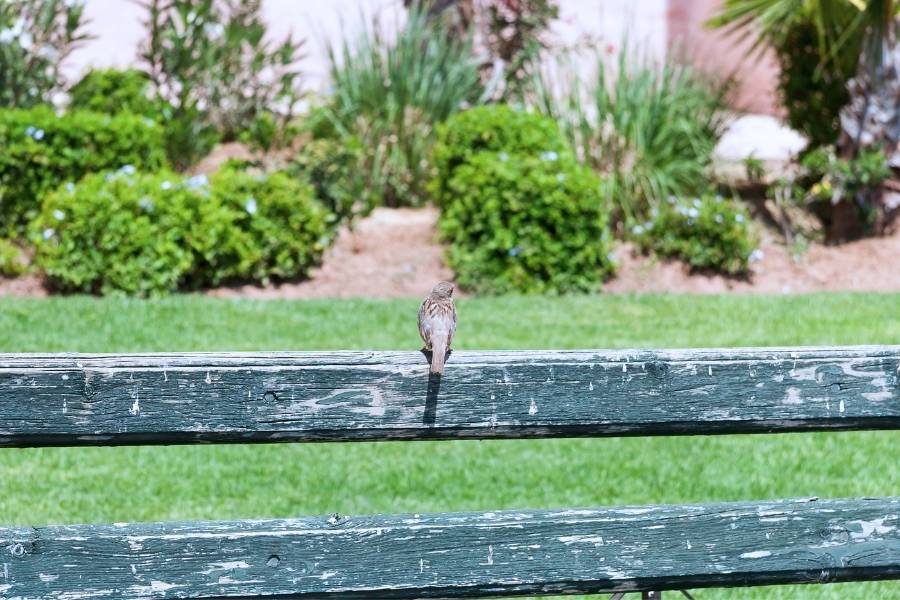
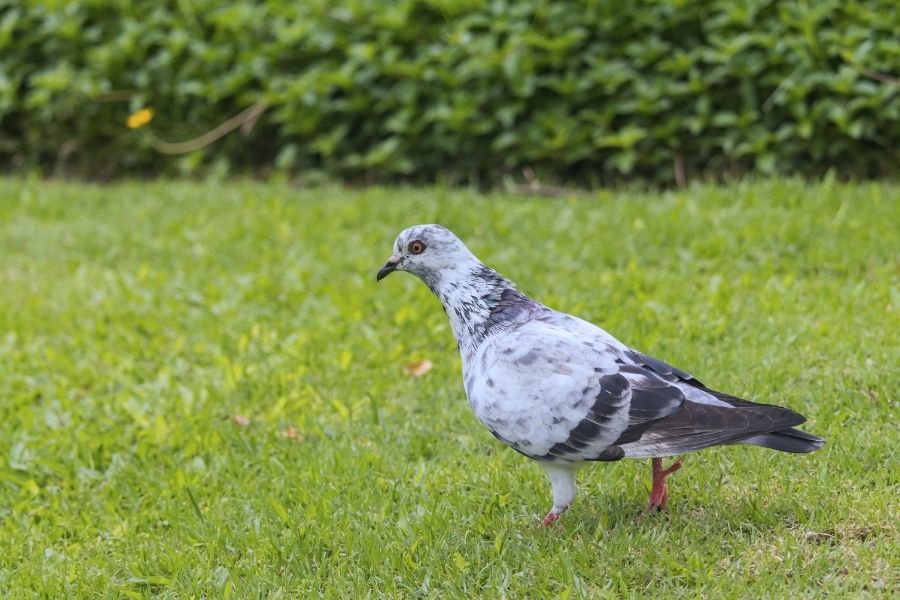
Birds like pigeons, sparrows, and finches love freshly sown grass seeds. Their keen eyesight allows them to spot seeds easily, especially when seeds are spread on a bare lawn. Birds often forage in groups, increasing the amount of seed lost in a short time.
Birds may prefer certain grass seeds too. For example, fescues, bluegrasses, and rye grasses might attract them more due to their size and taste. Some birds, out of habit, return to familiar feeding spots once they’ve identified them as a food source.
Understanding bird behaviour helps in choosing the right time and method to sow seeds, potentially reducing the amount of seed lost to these feathered feeders.
Optimal Conditions for Grass Seed Germination
Germination requires a specific set of conditions. Warm temperatures, adequate moisture, and suitable soil are key. Seeds need proper sunlight but should remain cool enough to avoid drying out. These conditions help the germination process, allowing the seeds to sprout effectively.
Bird-resistant grass types may be considered. These are specially developed to withstand bird interference. Ensuring grass seeds have a good chance to sprout means keeping them from the birds long enough to start growing robustly. Adjusting sowing conditions can also deter birds. For example, sowing seeds before a light rain can help them settle and make them less appealing.
Selecting the right grass type and sowing method can significantly influence the success of germination while maintaining the lawn’s health and beauty.
Preventive Strategies for Protecting Grass Seed
Birds can be quite a nuisance when it comes to newly sown grass seeds. Various strategies can be effective in keeping birds at bay. These include choosing the right type of seed, employing physical barriers, and applying different cultural practices that work together to protect your investment and ensure healthy lawn growth.
Choosing the Right Seed
Selecting the right grass seed can make a huge difference. Opt for quick start seeds as they germinate faster, reducing the window of time when seeds are vulnerable to birds. Some seeds come with a nutrient coating that aids rapid growth and acts as a bird deterrent. Bird-friendly coatings mask the seed taste, making it less appealing to birds. If appropriate, sow extra seeds; half for the birds and half for your future lawn. This simple grass seed protection method ensures that even with some loss, enough seeds remain to establish a lush lawn.
Physical Barriers and Coverings
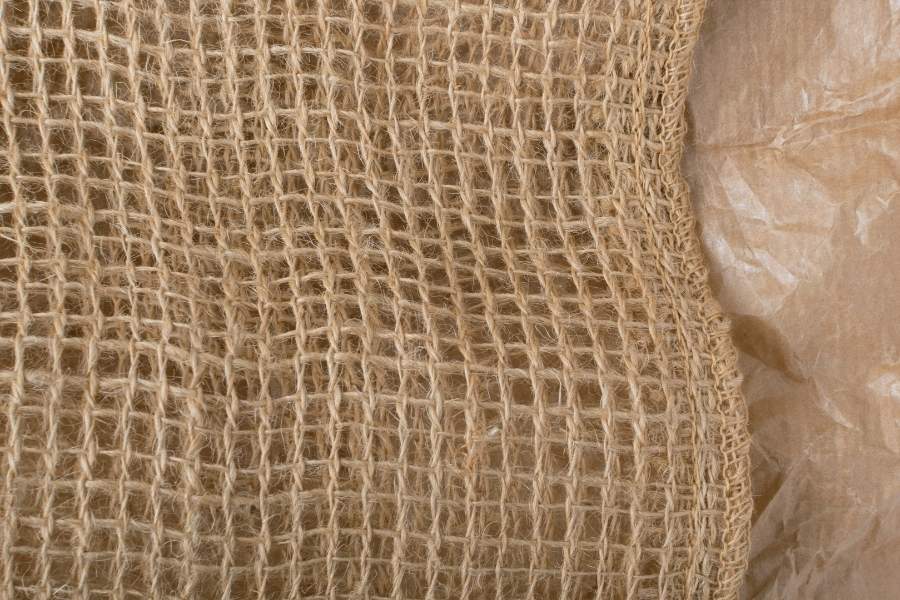
Physical barriers are a practical way to protect grass seeds from birds. Use fine mesh netting or bird netting to cover the seeded area. These nets allow sunlight and rain to reach the seeds while keeping birds away. Laying down burlap sheets or a thin layer of mulch can also be effective; they disguise the seeds and make them less visible to opportunistic birds. Another option is using polythene sheets or garden fleece, which serve dual purposes: they protect the seeds from birds while also retaining moisture and warmth, which aids in faster germination.
Cultural Practices
Cultural practices involve modifying how and when you tend to the lawn to naturally deter birds. Sow seeds in the late afternoon or early evening when birds are less active. Rake the soil lightly after sowing to bury the seeds, making it harder for birds to get to them.
Spread straw or horticultural fleece over the seeds to shield them. These layers protect the seeds and provide warmth, which helps in germination. Regularly check and adjust covers as needed to ensure effective protection without hindering growth. Using a combination of quick start seeds and strategic sowing times can significantly enhance the growth of grass without much interference from birds.
Active Deterrents to Discourage Birds
There are various ways to deter birds from eating grass seed, focusing on noise, movement, and taste. Here, specific tactics using devices and materials can discourage birds from interfering with new lawns.
Auditory and Visual Scare Devices
Auditory devices like wind chimes or noise deterrents can effectively disrupt birds. The unpredictable noise can keep them away from the area where grass seed is planted.
Visual scarers include tools such as reflective tape and fake owls. Reflective tape glistens in sunlight, creating a visual deterrent. Fake owls can be placed nearby since their presence might frighten birds. Scarecrows are another classic option that can work well if moved frequently to maintain their effectiveness.
Motion-Activated Solutions
Motion-activated sprinklers provide a surprise element. When birds come too close, these sprinklers activate, spraying water to startle them away. This approach is effective because it directly interferes with the birds’ activity.
Bird scarers that rely on movement, like rotating arms or elements that spin in the wind, can be effective too. The sudden bursts of movement or water catch birds off guard, encouraging them to find other feeding grounds.
Chemical and Natural Repellents
Chemical repellents often use ingredients that taste bitter to birds, discouraging them from eating grass seeds. Bird repellent grass seed is an example where seeds are treated with these substances.
For a natural approach, some opt for placing diversionary food, such as bird feeders, at a distance from seeded areas. This way, birds are drawn to the more accessible food sources, leaving the grass seed untouched.
Both chemical and natural methods focus on making the seed area less desirable to birds, reducing their impact on new lawns. Pairing these methods with regular lawn care ensures successful grass growth.

Managing Your Garden Ecosystem
Creating a welcoming environment for birds can balance your garden’s ecosystem and help manage bird activity. By providing alternative food sources, you can keep birds busy and away from your grass seed.
Creating a Bird-Friendly Environment
A garden that embraces birds can naturally reduce the chances of them munching on your freshly sown grass seed. Including birdhouses and nesting boxes around the garden encourages birds to stay and become part of the natural environment. Utilising bird deterrents, like reflective items or scare tape, can also help keep unwanted visitors away from specific spots, like bare patches.
Planting shrubs or trees that produce berries provides another food source, appealing to birds like doves. These plants also offer shelter, giving birds a space to nest and interact without disturbing your lawn. Additionally, planning your garden layout to include varied heights and textures diversifies habitats, promoting a healthy ecosystem.
Alternative Food Sources
Offering alternative food sources diverts bird attention from grass seeds. Having feeders stocked with sunflower seeds, rice, or sultanas gives birds a treat to enjoy, reducing their interest in your lawn. Feeding stations can be set up in different parts of the garden, away from newly planted grass areas, keeping them occupied.
Regularly checking and filling feeders ensures birds have consistent access to food. If birds are happily nibbling on the alternatives you provide, it’s more likely they’ll leave the grass alone. Mixing up the types of food offered can also attract different bird species, boosting the diversity in your garden while safeguarding your grass seed.