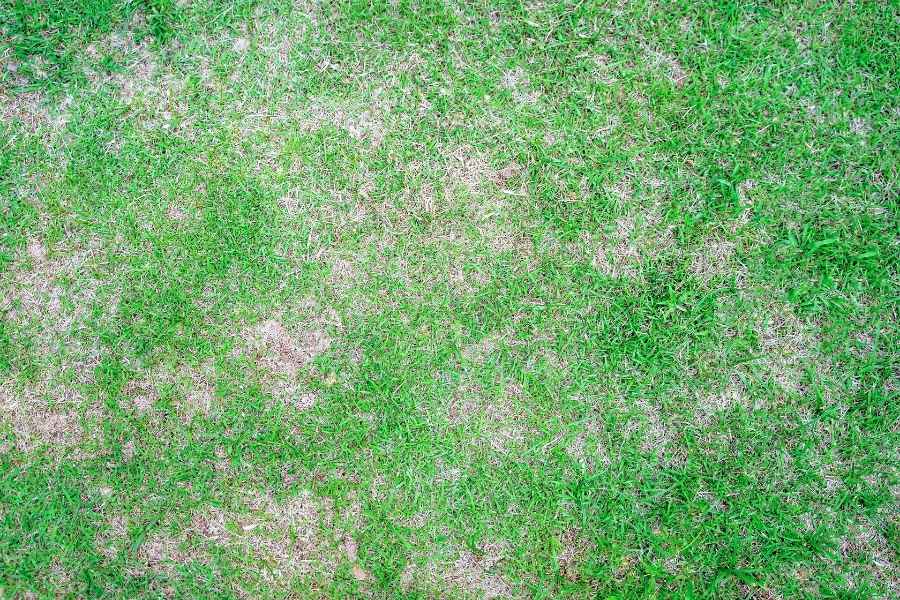
Lawn fungi can be a pesky issue, turning your lush green grass into a patchy mess. Luckily, there’s a simple remedy you might already have at home. Soapy water is a surprisingly effective solution for tackling lawn fungus. Mixing a few tablespoons of dish soap with a gallon of water can help dry up the fungus when applied consistently.
Garden enthusiasts have found that this method works best when used diligently over a few days. It’s a gentle approach that targets the fungi without the need for harsh chemicals. However, while soapy water can eliminate unwanted fungi, care is needed not to damage the lawn, as the soap can be drying to the grass too.
This natural method sparks interest not just for its simplicity but for its eco-friendly application. Those looking to maintain a healthy lawn without resorting to commercial fungicides might find soapy water an appealing alternative. Understanding how and when to apply it can make all the difference in keeping your lawn fungus-free.
Understanding Lawn Fungus and Its Causes
Grass fungi can be troublesome for any garden enthusiast. Recognising the types of lawn fungus and knowing why they develop are crucial steps.
Identifying Common Grass Fungi
Lawn fungus comes in various forms, each with distinct symptoms. Red thread, for example, creates red or pink strands on grass. Dollar spot leaves small, silver-dollar-sized patches on the lawn. Powdery mildew looks like a white dusting on grass blades. Recognising these signs can help plan treatment.
Not all patches on grass indicate fungi; sometimes it’s insect damage or nutrient deficiency. Fungi usually thrive in humid conditions but require specific confirmation. Regular observation allows early detection, keeping grass in top shape.
Factors Contributing to Fungal Growth
Several factors encourage fungal growth on lawns. Overwatering is a frequent cause because fungi love moist environments. Excess water, especially on compacted soil, creates ideal conditions for many fungi species.
On the other hand, poor air circulation can also lead to issues. Dense grass and thick layers of thatch often trap moisture, promoting fungal activity. Additionally, inconsistent weather conditions, like unexpected rain or high humidity, increase the risk.
Understanding that lawn fungus also feeds on weak or stressed grass is key. Grass weakened by drought or poor fertilisation is more susceptible. Keeping lawns healthy by aerating the soil, ensuring proper drainage, and maintaining balanced nutrients can minimise these problems.
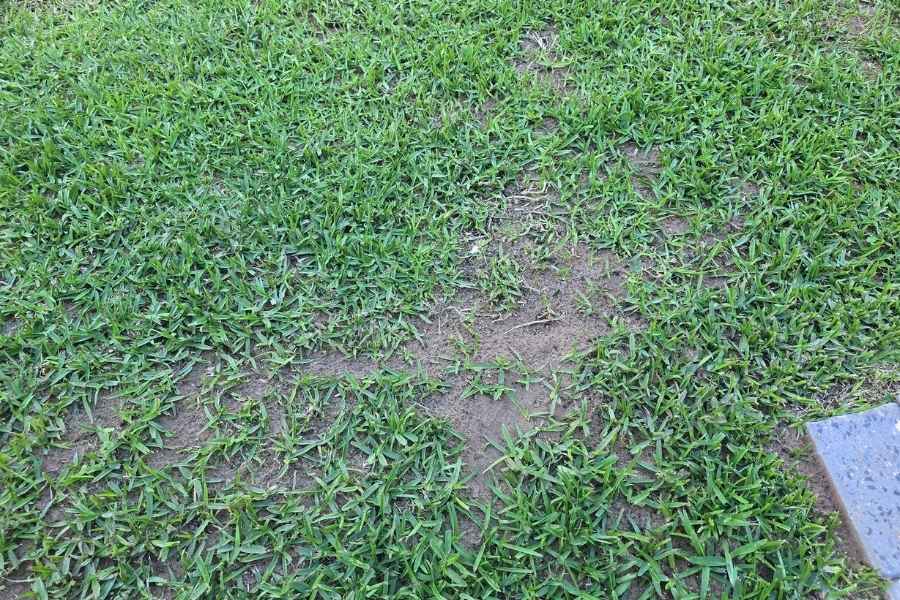
Conventional Lawn Fungus Treatments
Treating lawn fungus often involves a combination of chemical solutions and practical lawn care techniques. Chemicals might work quickly, while cultural practices can help prevent future fungus issues.
Chemical Fungicides
Chemical fungicides are popular choices for tackling lawn fungus. These products contain specific ingredients designed to kill the fungus quickly. Some options include liquid sprays or granular forms. It’s important to follow the instructions carefully to avoid damaging healthy grass.
Fungicides may need to be applied more than once, especially if the fungus is persistent. They work best when conditions like humidity and temperature are conducive to fungal growth. A lawn care professional can provide advice on the right fungicide and application schedule tailored to the specific fungus affecting the lawn.
Cultural Practices for Lawn Care
Cultural practices involve modifying lawn care routines to prevent fungus. Regular aeration helps improve soil drainage, reducing the moisture that fungi thrive in. Adjusting watering schedules is also crucial; lawns should be watered deeply but not too frequently to avoid creating excess moisture.
Fertilisation can aid in developing robust grass that resists fungi. Maintaining proper mowing heights and avoiding overwatering are key elements of this approach. These practices encourage healthy grass growth and reduce the likelihood of a fungus outbreak. By incorporating these methods, individuals can create a lawn environment less prone to fungal attacks.
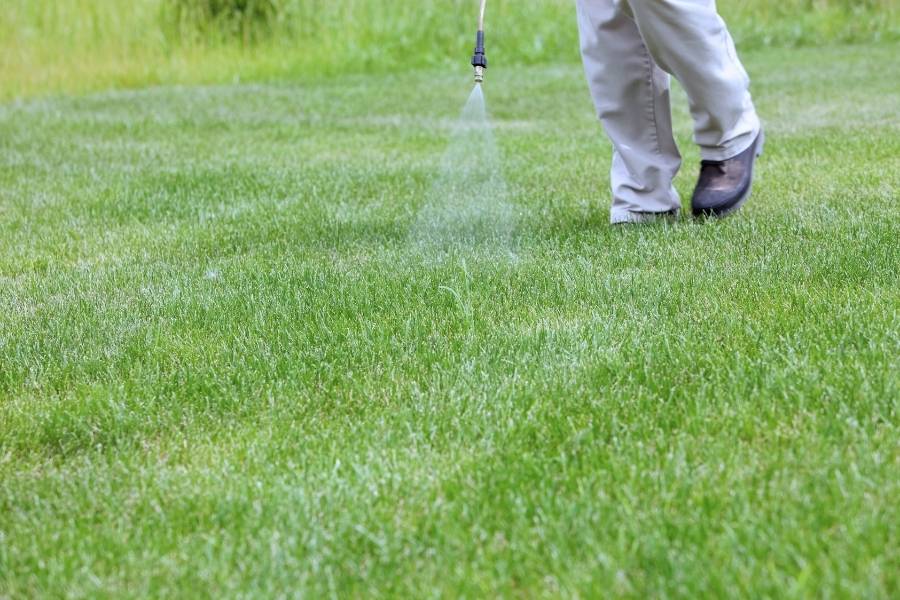
Using Soapy Water as a Lawn Fungus Remedy
Soapy water can be an effective method for dealing with lawn fungus. This method uses the properties of dish soap to combat fungi, making it a practical approach for lawn care.
Effectiveness of Soapy Water for Lawn Fungus
Soapy water acts on fungi by breaking down their cell walls. This is because surfactants present in dish soaps such as Dawn aid in disrupting the structure of fungal cells. By doing so, the soap reduces the fungi’s ability to thrive, thus helping manage fungal outbreaks on the lawn.
This method is particularly useful for homeowners looking for a homemade lawn fungus treatment. Applied correctly, a soapy water mixture can become a handy tool in the regular maintenance of lawn health.
Preparing the Soapy Solution
Creating a soapy solution is straightforward. Begin by mixing two tablespoons of dish soap with one gallon of water. It’s important that the solution is well-diluted to avoid any potential harm to the grass. If done right, this diluted mixture can act as a gentle yet effective lawn fungus treatment.
It’s also possible to use different types of dish soap, though liquid forms are generally easier to mix. Make sure the soap is free of harsh chemicals to protect the lawn’s overall health.
Application Techniques
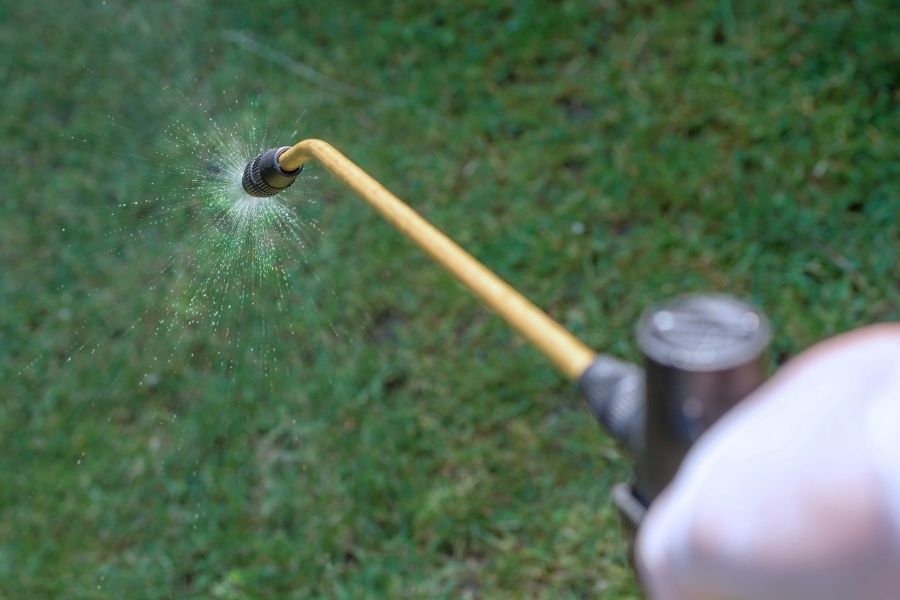
When applying soapy water to the lawn, focus on the areas showing signs of fungi, such as brown or yellow patches. Use a spray bottle for even distribution, targeting the affected spots rather than drenching the entire lawn.
For best results, apply the solution twice daily for about a week. This approach ensures that the solution has time to act and keeps the fungal growth in check. Consistent application will maximise the benefits, helping the lawn recover over time.
Easy to prepare and apply, soapy water offers an accessible, cost-effective treatment for maintaining a healthy lawn environment.
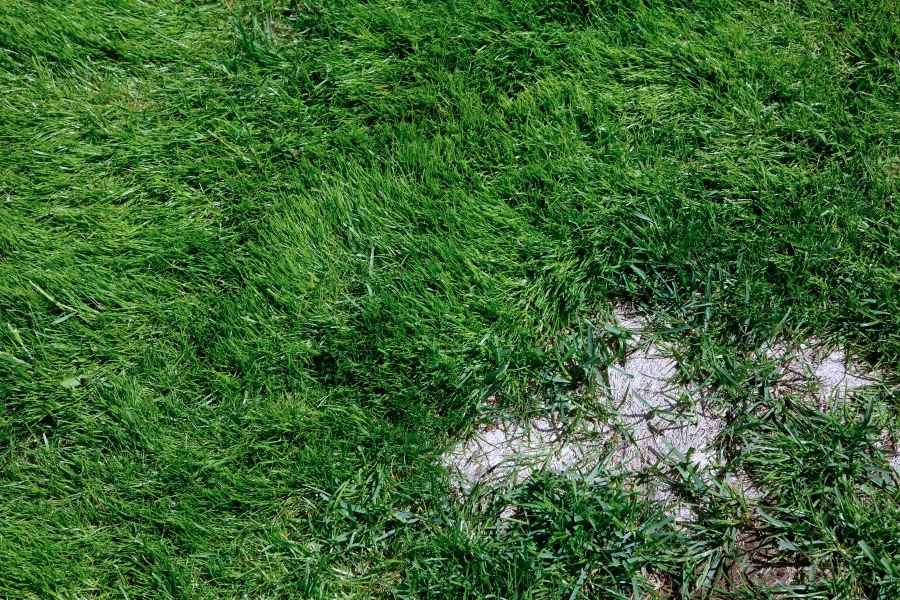
Natural and Home Remedies for Lawn Fungus
Natural treatments for grass fungus can be effective and eco-friendly. Methods include using everyday items found at home and organic materials commonly available in garden centres. These solutions can help make a healthier lawn without relying on harsh chemicals.
Organic Materials and Composts
Compost and compost tea are great natural remedies for lawn fungi. They help by boosting soil health and encouraging the presence of beneficial microbes. Creating compost tea involves steeping compost in water and then applying the liquid to the lawn.
Cornmeal is sometimes used as a natural fungicide. It adds organic matter and influences beneficial microorganisms. Horticultural cornmeal can target fungi without hurting the grass.
Trichoderma fungus supplements support plant growth by outcompeting harmful fungi. Applying these organic materials supports a balanced lawn ecosystem.
Natural Oils and Soaps
Using neem oil is a popular choice for treating lawn fungus. It’s an organic option that can be sprayed on affected areas. Neem oil disrupts the development of pests and fungi without causing harm to grass.
Soapy water is another simple remedy. Mixing dish soap and water creates a solution that targets fungi without using strong chemicals. Apply it to the infected lawn parts regularly.
Vegetable oil and vinegar mixtures can be applied to the lawn to address fungal problems. These mixtures help reduce fungal presence. Taking care to apply them correctly will avoid damaging the grass.