A lush, vibrant lawn begins with healthy soil. In the UK, where weather patterns and soil types vary widely, understanding how to nurture your soil can make the difference between a patchy, struggling lawn and one that thrives year-round. Soil quality influences everything from drainage and nutrient availability to root growth and resistance to pests, making it the cornerstone of effective lawn care.
British gardens often contend with clay-heavy soils that become waterlogged or sandy soils that drain too quickly. These challenges, combined with seasonal weather extremes, require tailored approaches to soil management. By focusing on improving soil structure, enhancing nutrient content, and promoting microbial activity, you can create an environment where grass grows vigorously and resists common issues like moss, weeds, and compaction.
This guide explores practical, science-backed methods to boost your lawn’s soil quality. From testing your soil’s composition to seasonal maintenance tips, these strategies will help you cultivate a resilient, green lawn suited to the UK’s unique conditions.

Understanding Your Soil Type
Before making any adjustments, it’s essential to identify your soil type. UK soils typically fall into four categories: sandy, clay, loamy, or peaty. Each has distinct characteristics that influence how you care for your lawn.
Test Your Soil’s Composition
Start by conducting a simple squeeze test: take a handful of moist soil and compress it. Sandy soil crumbles easily, clay holds its shape and feels sticky, loamy soil is smooth and crumbly, and peaty soil is dark and spongy. For precise insights, consider using a soil test kit to measure pH and nutrient levels. Most grasses prefer a slightly acidic pH of 6–7, though cool-season varieties tolerate slightly higher levels.
Adjust Soil pH if Necessary
If your soil is too acidic (common in peaty areas), apply garden lime at 50g per square metre in winter to balance pH. For alkaline soils, incorporate sulphur or organic matter like compost to lower pH gradually.
Aerating Compacted Soil
Compacted soil restricts root growth and reduces water infiltration, leading to thin grass and weed invasion. Aeration alleviates this by creating channels for air, water, and nutrients.
Choose the Right Aeration Method
For small lawns, use a garden fork to spike holes 10-15cm deep. For larger areas, consider a hollow-tine aerator, which removes soil cores to improve drainage. Aerate in autumn or spring when the soil is moist but not waterlogged.
Follow Up with Topdressing
After aeration, apply a thin layer of topdressing, a mix of sand, loam, and organic matter to fill holes and improve soil structure. This is particularly effective for clay soils, which benefit from added grit to prevent waterlogging.

Enriching Soil with Organic Matter
Organic matter enhances soil fertility, structure, and microbial activity. It also helps sandy soils retain moisture and clay soils drain better.
Incorporate Compost or Well-Rotted Manure
Spread a 5cm layer of compost or aged manure over your lawn and lightly rake it in. These materials release nutrients slowly and encourage earthworm activity, which naturally aerates the soil. For a budget-friendly option, reuse grass clippings as mulch after mowing.
Use Green Manures for Bare Patches
In areas with thin grass, sow green manures like clover or rye. These plants suppress weeds, prevent erosion, and can be dug back into the soil to boost organic content.

Improving Drainage in Waterlogged Areas
Poor drainage is a common issue in UK lawns, especially with heavy clay soils. Left unaddressed, it encourages moss and fungal diseases.
Install Drainage Channels
For severe waterlogging, dig shallow trenches filled with gravel to divert excess water. Combine this with regular aeration to maintain long-term drainage.
Amend Soil with Grit or Sand
Mix horticultural grit or coarse sand into the top 10-15cm of soil to break up clay particles. This improves texture and prevents compaction.
Maintaining Soil Health Year-Round
Consistent care ensures your soil remains fertile and well-structured through seasonal changes.
Overseed Thin or Bare Areas
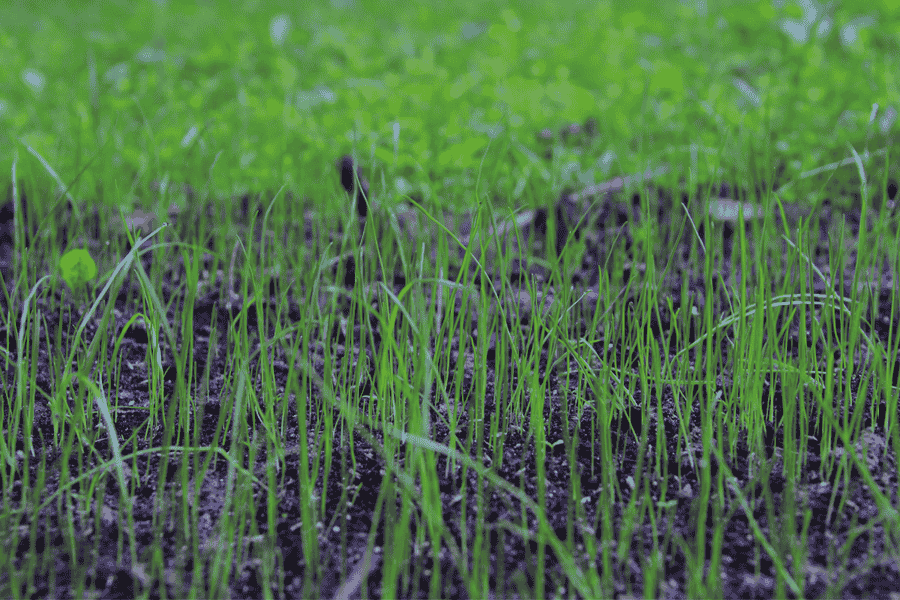
In early autumn, scatter grass seed over sparse patches and cover with a thin layer of compost. Keep the soil moist for 4-6 weeks to aid germination. Choose seed mixes suited to your lawn’s sunlight and foot traffic levels.
Adopt Smart Mowing Practices
Mow regularly but avoid cutting grass too short. Maintain a height of 3.5-4cm to shade the soil, reduce evaporation, and discourage weeds. Alternate mowing directions to prevent soil compaction and encourage upright growth.
Monitor and Adjust Seasonally
Test soil nutrients every 1-2 years and adjust fertilisation accordingly. In spring, use a slow-release fertiliser to support growth, while autumn feeds should focus on root development with higher potassium content.
Conclusion
Improving soil quality is a long-term investment that pays off in the form of a resilient, vibrant lawn. By understanding your soil type, addressing compaction, enriching with organic matter, and maintaining good drainage, you can overcome the challenges posed by the UK’s variable climate.
Regular monitoring and seasonal adjustments will ensure your lawn remains healthy, reducing the need for reactive fixes like weed killers or moss treatments. With patience and these practical steps, you’ll create a lush green space that enhances your garden for years to come.