Autumn is that magical time of year when the leaves transform, painting the landscape with hues of orange, yellow, and red. As beautiful as they are, fallen leaves can quickly blanket a lawn. They might seem harmless, but if left unchecked, they can cause problems for lawn health by blocking sunlight, trapping moisture, and even encouraging pests. To maintain a healthy lawn, it’s crucial to manage fallen leaves effectively.
There are several practical options when dealing with fallen leaves. Some people find joy in raking and creating large piles, which can be a fun family activity and also clears the lawn. These piles can then be used as mulch or added to a compost bin, where they break down into valuable nutrients. A rotary lawn mower is another handy tool. By chopping up the leaves with the mower, they can be scattered across the lawn to decompose and fertilise the soil naturally.
Alternatively, consider leaving a light layer of leaves on the lawn, which can enrich the soil and support the local ecosystem. This approach works particularly well in cases where lawn health and biodiversity are both priorities. Allowing leaves to decompose in place can protect the grass in winter months and provide shelter for wildlife. Each of these methods has its benefits and can be adjusted to suit individual preferences and lawn care needs.

Benefits of Fallen Leaves
Fallen leaves do much more than just cover your lawn. They offer vital benefits such as nourishing the soil, supporting wildlife, and helping to maintain moisture and warmth in your garden.
Nutrient Recycling and Soil Health
Fallen leaves are rich in organic matter, and when they decompose, they release nutrients back into the soil. These nutrients, such as nitrogen, act as a natural fertiliser. This process improves the soil structure and encourages the growth of beneficial microbes. By allowing leaves to break down naturally, you enhance soil health, making it loose and fertile. This leaf litter serves as an effective soil conditioner, promoting healthy plant growth in your garden ecosystem.
Supporting Local Wildlife
Leaving leaves on the ground can significantly help local wildlife. The leaf litter provides a habitat for insects, small creatures, and even some birds. During the colder months, critters such as beetles, earthworms, and small mammals find refuge and food beneath the leaves. These creatures play a crucial role in the ecosystem, breaking down organic material and helping in the nutrient cycle. So, by leaving leaves alone, you support biodiversity in your garden.
Insulation and Moisture Retention
An insulating layer of leaves can protect your garden from harsh winter conditions. This layer maintains moisture by reducing water evaporation and keeping the soil temperature more consistent. In the early spring, this insulating layer helps soil thaw moistly, which is beneficial for plants waking up after winter. By retaining moisture and providing insulation, fallen leaves save water and reduce the need for frequent watering. This natural protection helps your garden stay vibrant and healthy throughout the colder months.

Gathering and Removing Leaves
Managing fallen leaves is important for keeping a lawn healthy. Different tools and methods can ease the task of leaf removal, ensuring the lawn stays tidy and the grass can breathe.
Leaf Removal Techniques
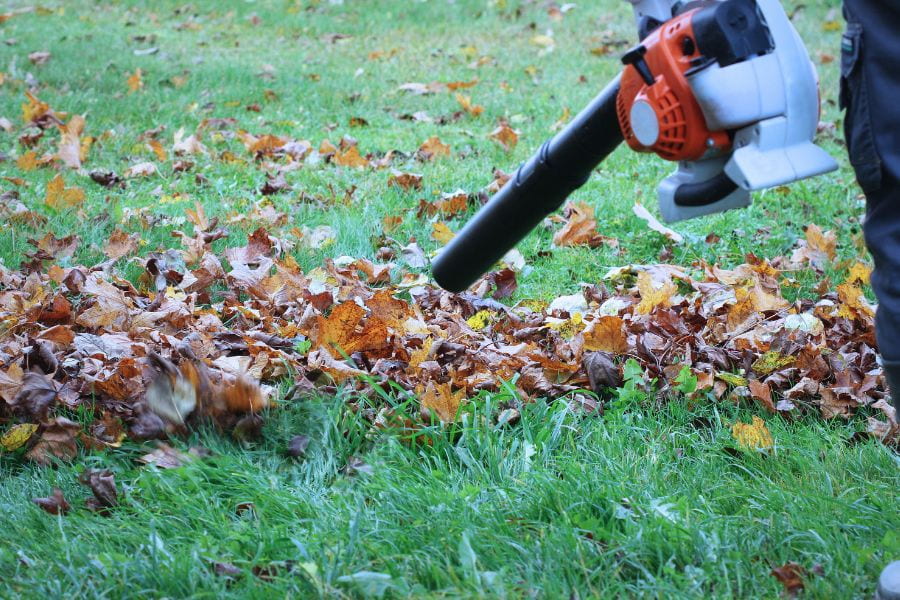
When it comes to clearing leaves from a lawn, several techniques stand out. Raking is classic and straightforward, ideal for small yards. A rake efficiently gathers leaves into piles, making them easy to dispose of or compost. For larger areas, a leaf blower can save time and effort, quickly moving leaves away from lawns and onto borders or tarps.
Some garden enthusiasts opt for a lawn mower with a mulching feature. This allows them to cut through and shred leaves directly on the lawn. The chopped leaves act as a natural fertiliser, enriching the soil and saving on garden waste. It’s a method that combines efficiency with environmental benefits, though care should be taken not to overload the mower with wet, heavy leaves.
Tools for Efficient Leaf Clearance
Choosing the right tools can make a big difference in clearing leaves. A sturdy leaf rake is essential for those who prefer a manual approach. For those with larger lawns, a petrol or electric leaf blower can make the job much quicker, especially when early autumn brings a shower of leaves.
A rotary lawn mower is also a versatile tool. It not only cuts grass but also shreds leaves into small pieces. This dual function helps keep the lawn neat and supports faster composting. For moving gathered leaves, using a wheelbarrow can ease transport to compost piles or garden waste bins, ensuring an organised and tidy lawn.

Leaf Mulching and Mowing
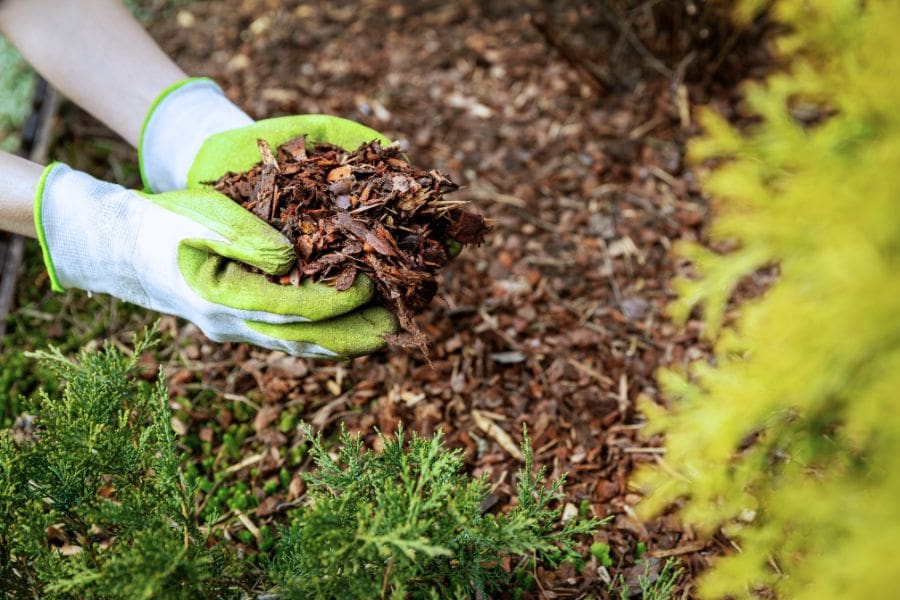
Turning fallen leaves into mulch is an eco-friendly way to enrich your lawn. By mulching, waste is reduced and nutrients are returned to the soil, promoting a healthy landscape. Proper tools and techniques ensure effective mulching with every mow.
The Process of Leaf Mulching
Mulching involves using a lawn mower without a bag to chop leaves into small pieces. This can be done by mowing over the leaves several times until they become finely chopped mulch.
Regular mowing height should be reduced by one or two settings for more effective mulching. This ensures better leaf breakdown and prevents clumps from forming on the lawn. During the process, ensuring even distribution of the mulched leaves is vital for uniform nutrient absorption. This process is particularly effective when the leaves are dry, as wet leaves can cause clumping and uneven mulching. It’s best to wait for a dry day to tackle this task.
Advantages of Mulching Leaves
Mulching leaves has several benefits for lawn maintenance and health. It saves time compared to raking and bagging leaves, reducing physical effort and waste. By returning nutrients from leaves to the soil, it enhances soil fertility, which can lead to a greener, healthier lawn.
This process also helps improve air circulation in the lawn by preventing thatch build-up, which can suffocate roots. Moreover, by avoiding landfill waste, leaf mulching is an environmentally friendly practice. It allows gardeners to contribute positively to the ecosystem while improving their lawn’s appearance and vitality.
Appropriate Equipment for Mulching
For effective leaf mulching, a mower with a mulching blade or attachment is ideal. These blades are specially designed to cut leaves into finer pieces, enhancing the mulching process. A standard rotary mower can also be used, though it may be less efficient.
Maintaining sharp blades is important, as dull blades can tear leaves rather than finely chop them. Some lawn mowers come with adjustable speed settings, which can be useful in controlling the pace and thoroughness of the mulching process. Regularly checking the mower’s performance ensures that the mulching process is both efficient and effective, keeping the lawn in top condition.
Using Leaves for Composting
Turning fallen leaves into compost not only reduces waste but also creates a valuable resource for your garden. This involves creating a compost pile, understanding how leaves contribute to composting, and transforming them into a useful soil amendment.
Creating a Compost Pile
To start a compost pile with leaves, gather materials like grass clippings, kitchen scraps, and twigs. These will boost the decomposition process.
Shred or chop leaves if possible, as smaller pieces break down faster. Layer them with green materials such as grass clippings to provide nitrogen.
Maintain a good balance between green and brown materials for optimal composting. Moisture is key, so keep the pile damp but not soaked. Aerate the pile regularly by turning it with a shovel or fork. This introduces oxygen, accelerating decomposition.
A tip: build your pile in a shady area to help retain moisture.
The Role of Leaves in Composting
Leaves are a superb carbon source in composting, known as the “brown” component. They pair well with “green” materials to create compost. They decompose slowly, making them perfect for overwintering a pile that will be ready come spring. They add structure to the compost, improving airflow and aiding the breakdown of organic materials.
Consider the leaf type when composting. Oak leaves, for example, are tougher and need more time to break down compared to soft maple leaves. Some leaves may contain natural substances that inhibit plant growth, so mix them well and let them compost fully before use.
Turning Leaves into Soil Amendment
Composted leaves turn into a soil amendment called leaf mould. This is a rich, crumbly material that improves soil structure, helps retain moisture, and enhances aeration.
To make leaf mould, pile leaves in a corner of your garden. Keep them moist and covered to retain heat. Over time, they decompose slowly, usually over one or two years.
Leaf mould is fantastic for improving soil. Spread it over garden beds as mulch, or mix it with soil to enhance fertility. It’s an eco-friendly way to recycle fall’s bounty back into your garden.