Temperature represents the primary environmental factor controlling grass growth rates, yet many homeowners lack understanding of the specific temperature ranges that trigger active growth versus dormancy periods. This knowledge gap leads to inappropriate maintenance timing and unrealistic expectations about lawn performance throughout the year.
The confusion extends beyond simple observation, encompassing questions about when to fertilise, overseed, and adjust cutting schedules to align with natural grass growth cycles. Many gardeners assume grass grows consistently whenever conditions appear favourable, failing to recognise the fundamental temperature thresholds that determine metabolic activity. Understanding grass growth temperature requirements enables informed lawn care decisions that work with natural cycles rather than against them, delivering better results with less effort and expense.
The Quick Answer
Grass begins active growth when soil temperatures consistently reach 5-6°C, with optimal growth occurring between 15-24°C for cool-season varieties and 26-35°C for warm-season types, though most British lawns use cool-season grasses adapted to the UK’s temperate climate conditions.

Temperature Fundamentals for Grass Growth
Soil Temperature vs Air Temperature
Soil temperature provides a more reliable indicator of grass growth potential than air temperature because root systems and growing points exist below ground level. Soil temperatures typically lag behind air temperatures by several days to weeks, moderating extreme fluctuations that might otherwise stress grass plants.
The relationship between soil and air temperature varies seasonally, with spring soil warming occurring gradually even when air temperatures fluctuate dramatically. Autumn soil cooling follows similar patterns, maintaining grass growth longer than air temperatures might suggest whilst providing extended growing seasons in many British regions.
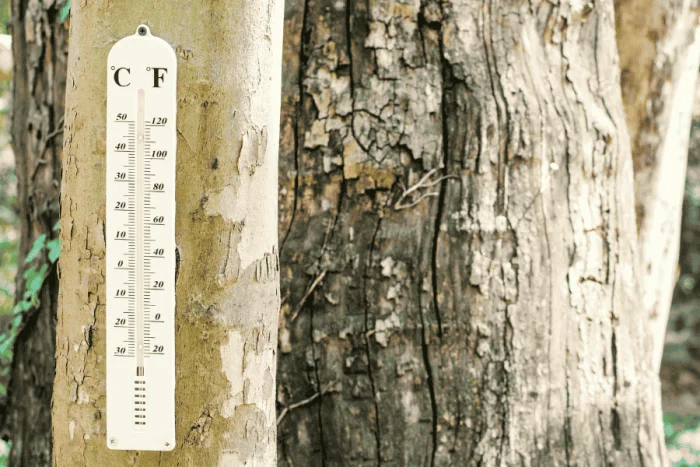
Soil thermometer measurements taken at 5-10cm depth provide accurate assessments of conditions affecting grass growth, enabling precise timing of lawn care activities based on actual growing conditions rather than surface observations.
Metabolic Activity and Temperature
Grass metabolism accelerates exponentially as temperatures rise within optimal ranges, with enzyme activity doubling approximately every 10°C increase. This relationship explains why grass growth appears explosive during warm spring periods after extended cool weather.
Photosynthesis rates increase with temperature until optimal ranges are exceeded, after which heat stress reduces efficiency and growth slows despite continued warm conditions. British grass varieties are typically selected for optimal performance at moderate temperatures that align with local climate patterns.
Root development follows similar temperature relationships, with active root growth beginning slightly before visible shoot growth as soil temperatures rise. Understanding this sequence helps explain why early-season fertilisation benefits establishment even before significant top growth appears.

Cool-Season Grass Temperature Requirements
Optimal Growing Ranges
Cool-season grasses common in British lawns, including ryegrass, fescue, and bentgrass, demonstrate peak growth when soil temperatures range between 15-20°C. These temperatures typically occur during April-May and September-October in most British regions, creating two distinct growth peaks annually.
Spring growth acceleration begins when soil temperatures consistently exceed 10°C, usually occurring during late March or early April depending on regional climate and seasonal variations. Once triggered, growth rates increase rapidly until peak summer temperatures cause slowdown.
Autumn growth resurgence occurs as soil temperatures cool from summer peaks back into optimal ranges, often producing the year’s most vigorous growth period. This autumn peak explains why September represents the ideal timing for lawn renovation and overseeding activities.
Winter Survival and Dormancy
Cool-season grasses enter dormancy when soil temperatures drop below 5°C for extended periods, typically occurring during December-February across most British regions. Dormancy represents a protective mechanism that conserves energy whilst maintaining plant survival during unfavourable conditions.
Winter growth may continue during mild periods when soil temperatures rise above dormancy thresholds, explaining why occasional cutting becomes necessary during warm winter spells. However, this growth occurs slowly and may not require frequent maintenance.
Frost protection mechanisms in cool-season grasses include cellular changes that prevent ice crystal damage whilst maintaining survival capabilities. These adaptations make British lawn grasses remarkably resilient to typical UK winter conditions.
Regional Variations
Northern British regions experience longer periods below optimal growing temperatures, creating shorter growing seasons that affect lawn care timing and expectations. Scottish lawns may remain dormant several weeks longer than southern English counterparts.
Coastal areas benefit from maritime climate moderation that extends growing seasons through delayed autumn cooling and earlier spring warming. These microclimatic differences affect optimal timing for seeding, fertilisation, and renovation activities.
Elevation effects become pronounced in hilly regions, with higher altitudes experiencing later spring warming and earlier autumn cooling that effectively shortens growing seasons by several weeks compared to nearby valley locations.

Warm-Season Grass Considerations
Limited UK Applications
Warm-season grasses require soil temperatures above 18°C for active growth and optimal performance above 24°C, making them unsuitable for most British applications except specialised situations. These temperature requirements exceed typical British conditions for sufficient duration to maintain healthy warm-season grass lawns.
Some warm-season varieties may survive in southern English locations with favourable microclimates, but performance typically remains marginal compared to cool-season alternatives. The investment and maintenance requirements rarely justify warm-season grass selection in British conditions.
Mediterranean climate grasses occasionally find niche applications in coastal areas with exceptional growing conditions, but these remain experimental rather than practical landscaping solutions for typical British gardens.
Seasonal Growth Patterns
Spring Growth Acceleration
Spring growth typically begins during March when soil temperatures rise above 8°C, though visible growth may not appear until temperatures consistently exceed 10°C. Early growth focuses on root development and energy accumulation before significant shoot growth becomes apparent.
Peak spring growth occurs during April-May when temperatures reach optimal ranges whilst moisture remains adequate from winter precipitation. This period often requires weekly cutting to maintain acceptable lawn heights whilst supporting vigorous growth.
Fertilisation timing should align with temperature-triggered growth, typically occurring when soil temperatures consistently exceed 12°C. Earlier applications may be wasted whilst later timing misses the opportunity to support peak spring growth demands.
Summer Growth Management
Summer growth patterns depend heavily on temperature and moisture interactions, with extreme heat causing growth slowdown even when moisture remains adequate. British summers rarely reach temperatures that completely stop cool-season grass growth, but reduced activity is common.
Heat stress symptoms appear when air temperatures consistently exceed 25°C combined with bright sunshine and low humidity. Grass plants conserve energy by reducing growth rates whilst maintaining survival functions.
Cutting frequency typically decreases during peak summer months as growth naturally slows, though irrigation may maintain more consistent growth than rainfall-dependent lawns experience during dry periods.
Autumn Growth Resurgence
September often produces the year’s most vigorous grass growth as temperatures cool from summer peaks whilst soil retains warmth accumulated during hot months. This combination creates ideal conditions for both shoot and root development.
Autumn growth benefits from reduced competition from weeds, many of which begin entering dormancy earlier than cool-season grasses. The reduced competition allows grass to utilise available nutrients more efficiently whilst establishing stronger root systems.
Overseeding success rates peak during autumn because optimal growing temperatures persist longer than spring conditions whilst avoiding summer stress periods. Seed germination rates remain high whilst establishment occurs before winter dormancy.
Practical Temperature Monitoring
Measurement Techniques
Soil thermometer placement at 5cm depth provides accurate readings for grass growth assessment, though measurements should be taken consistently at the same time of day to ensure comparable data. Morning readings typically provide the most stable measurements.
Multiple measurement locations across larger properties account for microclimate variations that affect grass growth differently in various lawn areas. Shaded areas, slopes, and different soil types may show significant temperature variations.
Digital soil thermometers with data logging capabilities provide comprehensive temperature records that identify growth patterns and optimal timing for lawn care activities. Historical data improves decision-making accuracy over time.
Technology Applications
Weather station integration combines soil temperature monitoring with air temperature, humidity, and rainfall data that provides comprehensive environmental assessment for lawn care planning. Smart irrigation systems increasingly incorporate soil temperature sensors for optimal scheduling.
Mobile applications that track growing degree days help predict optimal timing for various lawn care activities based on accumulated temperature exposure rather than calendar dates alone. These tools improve precision whilst accounting for seasonal variations.
Wireless sensor networks enable remote monitoring of soil conditions across large properties whilst providing real-time data access through smartphone applications. Professional landscapers increasingly adopt these technologies for precise lawn management.
Regional Climate Considerations
British Microclimate Variations
Urban heat island effects in cities like London create warmer growing conditions that extend seasons whilst potentially causing summer stress not experienced in rural locations. These effects may advance spring growth by 2-3 weeks compared to surrounding countryside.
Valley locations often experience colder conditions during winter due to frost pooling whilst benefiting from protection during summer months. Understanding local topography helps predict grass growth patterns more accurately than regional generalisations.
Proximity to large water bodies moderates temperature extremes whilst extending growing seasons through delayed cooling in autumn and gradual warming during spring. Coastal properties often enjoy longer growing seasons than inland locations at similar latitudes.
Seasonal Timing Adjustments
Northern regions require delayed spring lawn care timing compared to southern areas, with soil warming occurring 3-4 weeks later in Scottish locations compared to southern English gardens. This timing difference affects fertilisation, overseeding, and renovation scheduling.
Altitude effects become significant above 200 metres elevation, with growing seasons shortened by approximately one week per 100 metres of elevation gain. Hill country lawns require adjusted expectations and timing for optimal results.
Climate change impacts gradually shift traditional timing patterns, with earlier spring warming and extended autumn growth becoming more common. Monitoring actual soil temperatures provides more reliable guidance than historical calendars for modern lawn care timing.
Optimising Growth Through Temperature Management
Cultural Practices
Proper cutting height maintenance helps grass tolerate temperature extremes by providing insulation whilst maintaining photosynthetic capacity. Longer grass during summer months reduces soil temperature extremes whilst conserving moisture.
Irrigation timing affects soil temperature, with early morning watering providing cooling benefits during hot periods whilst avoiding evening applications that may promote disease development. Strategic watering can moderate temperature stress effectively.
Organic matter incorporation improves soil temperature buffering whilst enhancing moisture retention that helps grass survive temperature extremes. Autumn top-dressing with compost provides long-term temperature moderation benefits.
Variety Selection
Cool-season grass varieties show different temperature tolerance ranges, with some performing better during cool conditions whilst others maintain growth during warmer periods. Selecting appropriate varieties for local conditions optimises year-round performance.
Heat-tolerant cool-season varieties may extend growing seasons in warmer British locations whilst maintaining good winter hardiness. Tall fescue varieties often provide better summer performance than traditional ryegrass in challenging conditions.
Blend formulations combining varieties with different temperature preferences provide more consistent performance across varying seasonal conditions whilst maintaining overall lawn quality and durability.

Conclusion
Understanding grass growth temperature requirements enables British gardeners to align maintenance activities with natural growth cycles whilst setting realistic expectations for seasonal lawn performance. Cool-season grasses dominate British lawns due to their adaptation to temperate climate conditions, with optimal growth occurring during spring and autumn when temperatures range between 15-20°C. Monitoring soil temperatures provides more accurate guidance than air temperature observations whilst helping predict optimal timing for fertilisation, overseeding, and renovation activities that maximise lawn health and appearance throughout the growing season.