Choosing the right chainsaw size is an important decision when you’re faced with cutting tasks at home or on a work site. The appropriate chainsaw size will not only help you get the job done efficiently but also ensure your safety during use. This article will introduce you to the factors you need to consider in determining the best chainsaw size for your needs.
Bar length plays a significant role in determining the size of a chainsaw. As a general rule, the chainsaw guide bar should be at least 2 inches longer than the thickness of the wood being cut. This allows for a smooth, single-pass cut. Chainsaw sizes vary, ranging from small pruning saws with guide bars less than 12 inches, to larger models with bars measuring over 18 inches, suitable for felling bigger trees and handling thick branches.
Aside from bar length, various factors influence the right chainsaw size for a specific job. These include the wood diameter, your experience level, chainsaw control, your physical strength, and the location of the task. Keep reading to gain insights on how to make an informed decision on the ideal chainsaw size for any project you may encounter.

Understanding Chainsaw Basics
When it comes to finding the perfect chainsaw for your needs, size is an important factor. In this section, we’ll discuss the basics of chainsaws, including types and components, to help guide you towards making an informed decision.
Chainsaw Types
Chainsaws come in various types, each with its own benefits and drawbacks:
- Gas Chainsaws: Powered by a petrol engine, these chainsaws pack a lot of power and are ideal for heavy-duty cutting tasks. However, they do require regular maintenance and can be quite noisy.
- Electric Chainsaws: Operating through a mains power supply, these chainsaws are generally lighter and quieter than their petrol counterparts, making them well-suited for light-duty tasks and residential use. However, they do have limited reach due to the need for a power source.
- Battery Chainsaws: Equipped with rechargeable battery packs, these chainsaws offer increased mobility and minimal maintenance, whilst remaining more environmentally friendly. The main downside is that battery life can limit the duration of your cutting sessions.
- Manual Chainsaws: For those seeking a low-tech option, manual chainsaws use muscle power rather than an engine. These tools involve pulling a chain back and forth to saw through wood and are generally reserved for lightweight tasks.
Components of a Chainsaw
Understanding chainsaw components can help you choose the appropriate size and functionality:
- Bar: The metal guide bar determines the length of the chainsaw and the size of wood it’s capable of cutting. Common sizes range from 10 to 36 inches, with smaller bars ideal for trimming branches, and larger ones for felling trees.
- Chain: Wrapped around the bar, the chain features sharp cutting teeth that enable effective wood cutting. Chains vary in size, pitch, and gauge, with different types for specific tasks.
- Engine: Gas chainsaws use a 2-stroke engine, which provides the necessary power to drive the chain. Electric and battery chainsaws use a motor for this purpose.
- Handles: These ergonomic components help users comfortably grip the chainsaw while cutting. They often feature anti-vibration systems to reduce user fatigue.
- Safety Features: Chainsaws are equipped with various safety components, such as chain brakes, throttle locks and hand-guards, designed to protect users during operation.

Determining the Right Chainsaw Size
Assessing Your Tasks and Requirements
To find the ideal chainsaw size, it’s important to consider the tasks you’ll be performing, the wood diameter, and your own experience level. Start by listing the jobs you’ll be using it for, such as pruning, felling small trees, or cutting firewood. Next, consider your experience with chainsaws and your physical strength. Are you a beginner or a seasoned professional? Lastly, think about the location and frequency of use.
Chainsaw Sizes and Their Uses
Chainsaws come in various sizes, and each one has a specific purpose. Here is a quick overview of the common sizes and their recommended uses:
- Small Chainsaws (bar length 14 inches or less): Ideal for pruning, trimming, and cutting small branches. These chainsaws are often electric and easy to manoeuvre. They are great for those with limited experience or frequent use in yards.
- Medium Chainsaws (bar length 18 inches): Suitable for cutting firewood and felling small to medium-sized trees. They are more powerful than smaller chainsaws and can handle wood with a diameter of up to 16 inches. These chainsaws can be both electric and gas-powered, providing flexibility in choice.
- Large Chainsaws (bar length 20 inches or more): Designed for heavy-duty tasks, such as felling larger trees and cutting wood with a diameter greater than 18 inches. These powerful gas-powered chainsaws are typically used by professionals or experienced users.

Safety and Maintenance Considerations
Safety should always be a top priority when operating a chainsaw. In this section, we will discuss safe chainsaw operation and the importance of maintaining your chainsaw for optimal performance and longevity.
Safe Chainsaw Operation
When operating a chainsaw, it is vital to consider factors such as weight, handling, and potential hazards. A chainsaw that is too heavy or difficult to handle can increase the risk of accidents and reduce overall safety. To ensure safe operation:
- Assess your physical strength: Make sure you can comfortably manoeuvre and control the chainsaw, taking into consideration its weight and handle grip.
- Familiarise yourself with safety features: Chainsaws have built-in safety features such as anti-kickback devices to reduce the risk of injury. Understand how these features work and take advantage of them.
- Use proper cutting techniques: When cutting, maintain proper footing and body positioning, avoiding awkward positions that may impair your balance or control.
- Wear appropriate protective gear: Use safety goggles, ear protection, gloves, and sturdy boots to safeguard against debris, noise, and potential injury.
- Plan your work area: Clear the cutting area of any obstacles and maintain a safe distance from bystanders to minimise potential hazards.
Maintaining Your Chainsaw
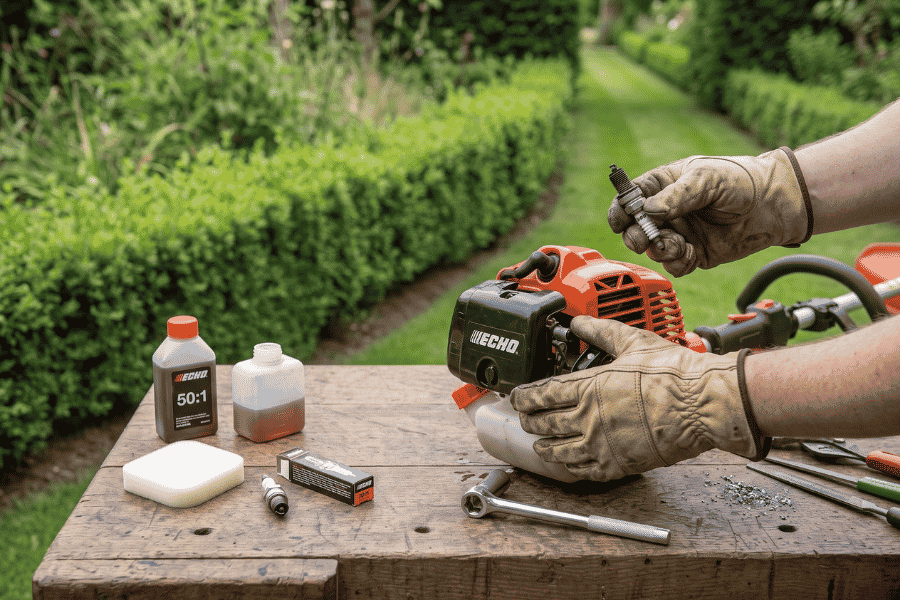
Regular maintenance of your chainsaw is essential for its optimal performance and longevity. A well-maintained chainsaw not only operates more efficiently but also reduces the chance of accidents. Here are some key maintenance tasks:
- Inspect and clean your chainsaw regularly: Check for any loose, damaged, or worn parts and address issues promptly.
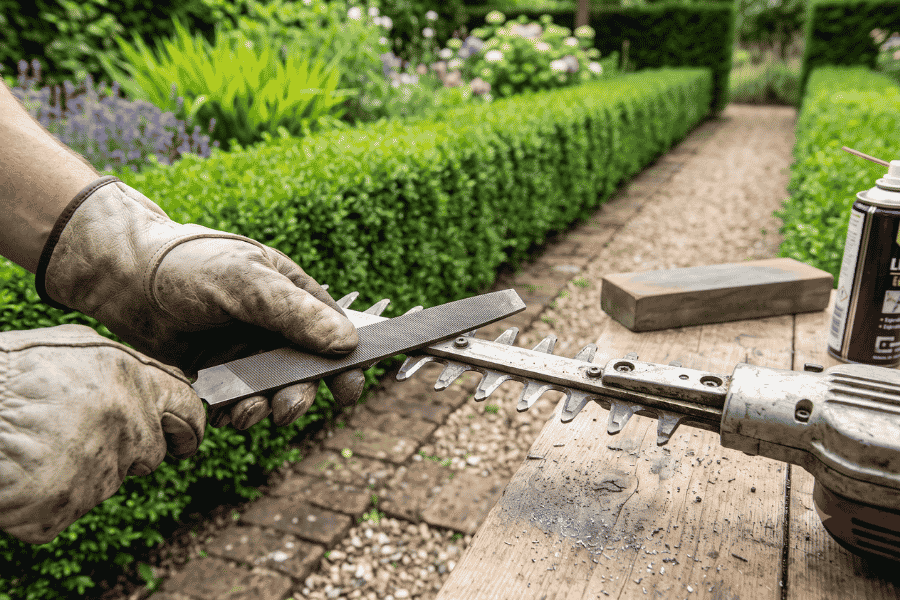
- Sharpen the chain: A sharp chain is crucial for smooth and efficient cutting while decreasing the chances of kickback. It is recommended to sharpen your chainsaw chain after every several hours of use or when cutting performance worsens.
- Lubricate the bar and chain: Proper lubrication reduces wear and tear on your chainsaw’s components and ensures smooth operation.
- Adjust chain tension: A properly tensioned chain improves cutting efficiency and safety. Check the chain tension before and during use, adjusting as needed.
- Monitor and control vibrations: Prolonged exposure to vibrations can lead to physical discomfort or injury. Assess your chainsaw’s vibration levels and consider anti-vibration features if needed.
By taking these safety and maintenance considerations into account, you can operate your chainsaw with confidence and enjoy more productive and enjoyable cutting experiences.